The Living Legends vs. Hollywood's Version
There's something uniquely modern about watching a celebrity live-tweet their own biopic, pointing out every historical inaccuracy and creative liberty while the film is still in theaters. We're living in an unprecedented era where the subjects of biographical films aren't safely tucked away in history books — they're on Instagram, they have verified Twitter accounts, and they're not afraid to use them.
The biopic industrial complex has a consent problem, and the drama it creates is often more compelling than the movies themselves.
When Fact Meets Fiction (and Fiction Wins)
Pamela Anderson vs. "Pam & Tommy"
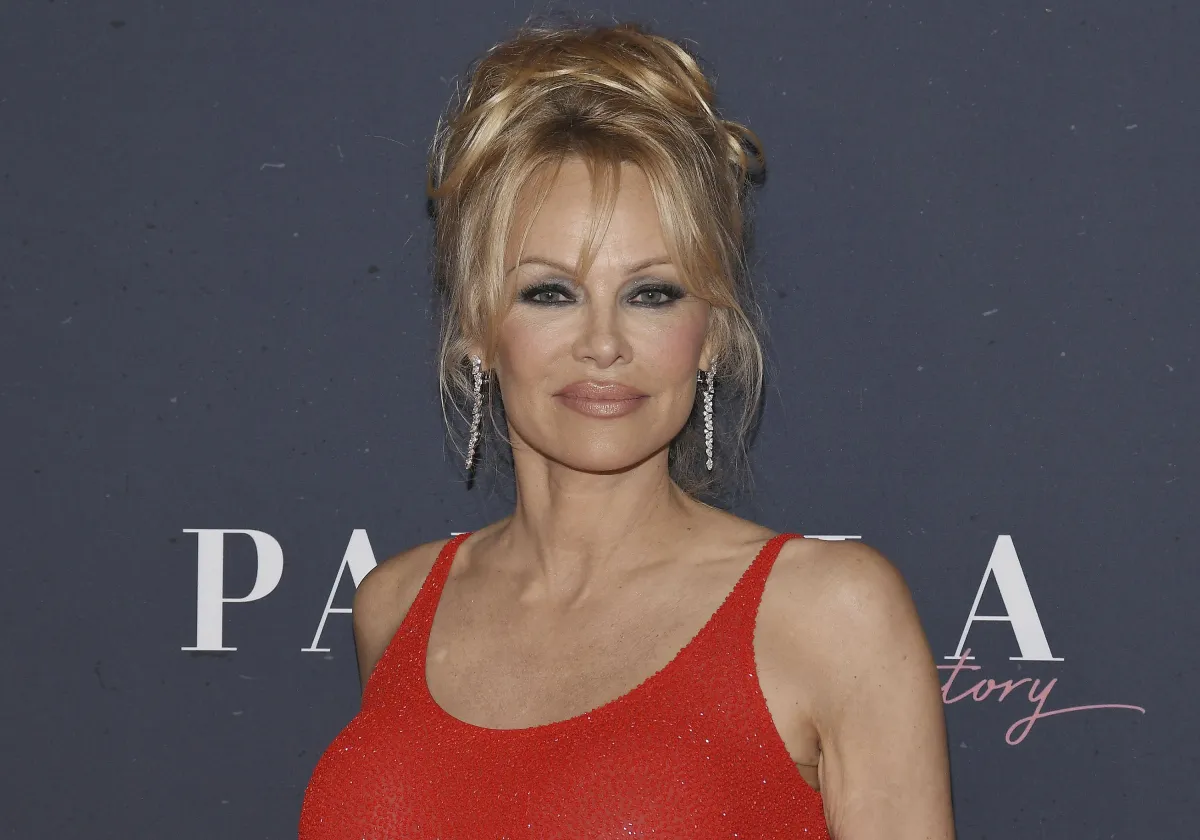 Photo: Pamela Anderson, via media.cnn.com
Perhaps no recent example illustrates this tension better than Hulu's "Pam & Tommy," the limited series about Pamela Anderson and Tommy Lee's stolen sex tape. Despite Lily James's committed performance and the show's critical acclaim, Anderson herself was notably absent from any promotional material. She didn't cooperate with the production, didn't endorse it, and made her feelings clear through pointed social media posts and interviews.
The real kicker? Anderson was reportedly working on her own documentary about the same period of her life, creating a bizarre situation where audiences had to choose between Hollywood's version and the subject's own telling. When Anderson's Netflix documentary "Pamela, a Love Story" eventually dropped, it served as a direct rebuttal to the Hulu series, highlighting just how different the same story can look depending on who's telling it.
Janet Jackson vs. "The Janet Jackson Story"
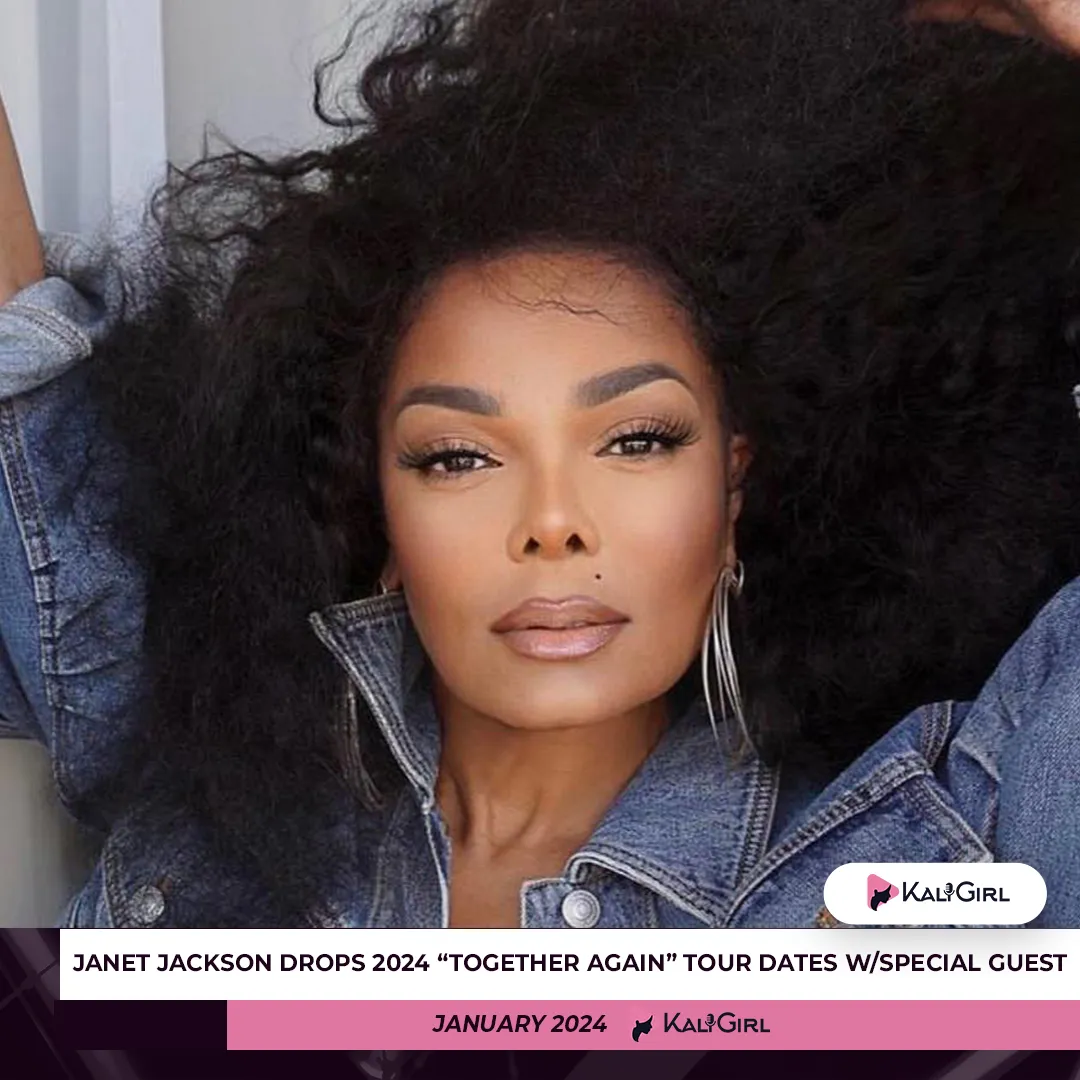 Photo: Janet Jackson, via kaligirlblog.com
Lifetime's unauthorized Janet Jackson biopic was so far off the mark that Jackson's team issued statements distancing her from the project before it even aired. The film's low production values and questionable casting choices were just the beginning — the real issue was that it attempted to dramatize a life that Jackson was still actively living and controlling the narrative of.
When Jackson released her own authorized documentary series years later, the contrast was stark. Her version included never-before-seen footage, personal interviews, and insights that no unauthorized biopic could ever access. The message was clear: if you want my story, ask me first.
The Social Media Clapback Era
What makes this phenomenon particularly fascinating is how social media has democratized the response. Celebrities no longer have to wait for their publicist to issue a carefully worded statement through traditional media. They can respond in real-time, with memes, with receipts, with the kind of immediate authenticity that makes their objections feel more genuine than any official press release.
Tommy Wiseau's reaction to "The Disaster Artist" was a masterclass in this new dynamic. Rather than being offended by James Franco's portrayal of him, Wiseau leaned into the attention, attending premieres, doing interviews, and essentially treating the film as the world's most expensive marketing campaign for his own comeback. He understood something that many celebrities haven't figured out yet: sometimes the best response to being parodied is to become part of the joke.
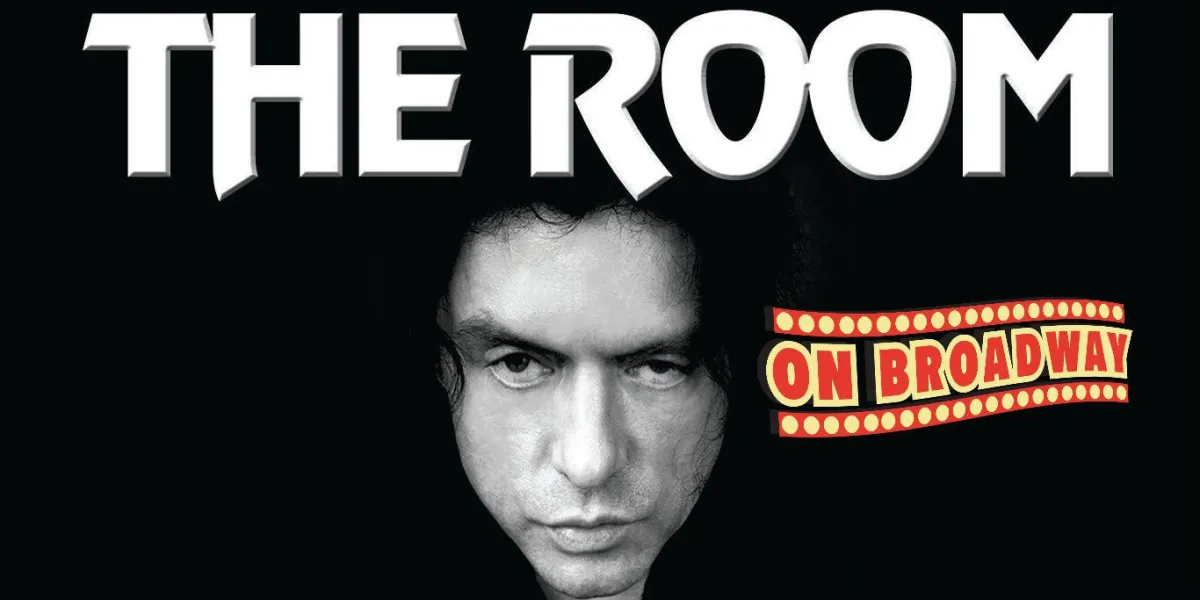 Photo: Tommy Wiseau, via static1.srcdn.com
The Legal Minefield
The legal landscape around biographical films is surprisingly complex. Public figures have less protection against unauthorized portrayals than private citizens, but there are still lines that can't be crossed. Defamation, invasion of privacy, and right of publicity laws create a patchwork of protections that vary by state and situation.
This is why you'll notice that many "based on a true story" films include disclaimers about composite characters and creative liberties. It's legal cover for the inevitable moment when the real person objects to how they're portrayed. But these disclaimers don't protect against the court of public opinion, where the subject's own voice carries significant weight.
The Authorized vs. Unauthorized Divide
There's a growing split in the biopic world between projects that have their subject's blessing and those that don't. Authorized biopics often feel sanitized — the subject has too much control, unflattering details get glossed over, and the result can feel more like hagiography than honest storytelling.
Unauthorized biopics, on the other hand, have the freedom to explore darker themes and more complex characterizations, but they risk the wrath of their still-living subjects. The best unauthorized biopics manage to be both respectful and honest, but that's a narrow tightrope to walk.
The Streaming Wars Complicate Everything
The rise of streaming platforms has made biographical content cheaper and faster to produce, which means we're seeing more unauthorized projects than ever before. Netflix, Hulu, and other platforms are hungry for content that comes with built-in name recognition, and celebrity biopics fit the bill perfectly.
But this quantity-over-quality approach has led to some spectacularly bad unauthorized biopics that feel more like extended Wikipedia articles than actual films. When the real celebrity inevitably objects, it just highlights how little care went into the project in the first place.
The Documentary Alternative
Many celebrities have figured out that the best defense against a bad biopic is a good documentary. By participating in or producing their own documentary projects, they can control the narrative while still giving audiences the behind-the-scenes access they crave.
This has led to a golden age of celebrity documentaries, from Taylor Swift's "Miss Americana" to Billie Eilish's "The World's a Little Blurry." These projects offer the intimacy of a biopic without the creative liberties that often anger their subjects.
When the Drama Becomes the Story
Sometimes the most interesting part of a biopic isn't the film itself, but the real celebrity's reaction to it. The back-and-forth between Hollywood's version and the subject's response creates a meta-narrative that's often more compelling than either story on its own.
This dynamic has turned some celebrities into unexpected media critics, forced to defend their own lives against fictional interpretations. It's a bizarre form of performance where the stakes are personal reputation rather than box office receipts.
The Future of Biographical Filmmaking
As more celebrities become media-savvy and social media-fluent, the unauthorized biopic is becoming an increasingly risky proposition. The immediate backlash potential, combined with the subject's ability to provide counter-programming through their own platforms, makes these projects feel like exercises in futility.
The smart money is moving toward collaboration rather than exploitation. When celebrities are partners in telling their own stories, the results are usually better for everyone involved — better access for filmmakers, better control for subjects, and better content for audiences.
But until Hollywood learns that lesson completely, we'll keep getting front-row seats to these spectacular clashes between fact and fiction, where the real drama happens after the cameras stop rolling.