The Celebrity Apology Tier List: From Genuinely Redemptive to Absolutely Delusional
In the grand theater of celebrity culture, few performances are as scrutinized as the public apology. It's a high-stakes moment where careers hang in the balance, and yet somehow, so many stars manage to fumble what should be a straightforward play: acknowledge wrongdoing, express genuine remorse, commit to change.
Instead, we get a fascinating spectrum of sorry attempts, from the genuinely moving to the spectacularly tone-deaf. Consider this your field guide to the celebrity apology ecosystem.
S-Tier: The Gold Standard
The "I Messed Up and Here's How I'm Fixing It" Apology
These are rarer than a Kardashian without a camera crew, but when done right, they're beautiful to witness. The S-tier apology hits every note: specific acknowledgment of harm caused, no excuses or deflection, concrete steps toward making amends, and most importantly, follow-through.
Robert Downey Jr.'s journey from Hollywood pariah to beloved Iron Man didn't happen overnight, but his approach to addressing his past struggles set the template. No elaborate explanations, no victim playing — just consistent action and letting his changed behavior speak louder than any press statement.
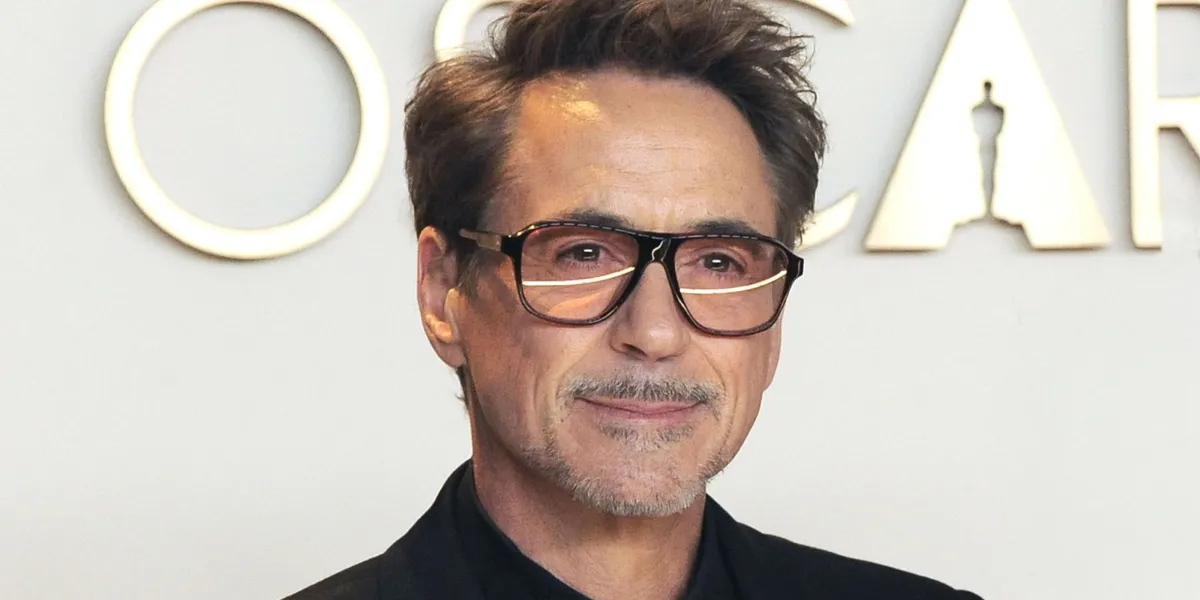 Photo: Robert Downey Jr., via static0.colliderimages.com
John Mulaney's handling of his personal struggles and divorce also falls into this category. When his life imploded publicly, he didn't hide behind PR speak or blame external factors. He acknowledged the pain he caused, got help, and rebuilt his relationships through actions, not words.
 Photo: John Mulaney, via christian.net
A-Tier: The Solid Redemption Arc
The "I Learned and Grew" Apology
These apologies work because they feel like genuine evolution. The celebrity doesn't just say sorry — they demonstrate how they've changed.
Drew Barrymore's approach to discussing her past wild child era exemplifies this tier. She's never minimized her mistakes or made excuses, but she's also shown through years of consistent behavior that she learned from them. Her apologies feel authentic because they're backed by a decade of growth.
 Photo: Drew Barrymore, via themahjong.com
Similarly, when celebrities like Dax Shepard discuss their addiction struggles, they do so with specificity and accountability that makes their apologies feel genuine rather than performative.
B-Tier: The Strategic But Sincere
The "My Team Crafted This But I Mean It" Apology
You can tell these were workshopped by publicists, but there's still genuine remorse underneath the polish. They hit the right notes even if they feel a bit calculated.
Many celebrity apologies for past offensive tweets or comments fall into this category. They're clearly PR-managed, but when followed by consistent behavior change, they can be effective. The key is what happens after the statement drops.
C-Tier: The Bare Minimum
The "Sorry You Were Offended" Non-Apology
Ah, the classic non-apology apology. These statements technically contain the word "sorry" but manage to avoid actually taking responsibility for anything. They're the participation trophies of the apology world.
"I'm sorry if anyone was offended by my comments" is the calling card of this tier. The celebrity acknowledges that offense occurred but frames it as the audience's problem, not their own actions.
Countless politicians and celebrities have deployed this formula, and it almost never works. It's like saying "I'm sorry you're upset that I punched you" — technically an apology, but missing the entire point.
D-Tier: The "Actually, I'm the Victim Here"
The Reverse Uno Card Apology
These spectacular failures somehow manage to make the apologizer look worse than before they opened their mouth. They start with what seems like contrition but quickly pivot to explaining why they're actually the wronged party.
The formula usually goes: brief acknowledgment of "mistakes," followed by extensive explanation of how the backlash has hurt them, topped off with implications that they're being unfairly persecuted.
This tier is populated by celebrities who've been "canceled" and can't resist making their apology tour about their own suffering rather than the harm they caused.
F-Tier: The "What Apology?" Disaster
The Double-Down Delusion
These aren't really apologies at all — they're defenses disguised as contrition. The celebrity might use apologetic language, but the overall message is "I did nothing wrong, and here's why you're all overreacting."
The F-tier apology often includes phrases like "I stand by what I said" or "I refuse to apologize for speaking my truth," which immediately undermines any apologetic language that preceded it.
Some celebrities in this tier seem genuinely confused about why they're facing backlash, which almost makes it worse. At least the D-tier apologizers understand they did something wrong, even if they can't resist making it about themselves.
The Anatomy of What Works
After years of celebrity apology watching, certain patterns emerge in the ones that actually rebuild careers and relationships:
Specificity matters. Vague apologies for "any harm caused" feel insincere. The best apologies name specific actions and their impacts.
Timing is everything. Apologies that come immediately after being caught feel reactive. The most powerful ones come from genuine self-reflection, even if that takes time.
Actions speak louder. The apology is just the opening statement. What matters is the behavior that follows.
Know your audience. An apology to fans hits different than one to industry colleagues or affected communities. The best celebrities tailor their approach accordingly.
The Evolution of Expectations
What's fascinating is how apology standards have evolved. Audiences have become more sophisticated about recognizing genuine remorse versus damage control. The old playbook of "lay low, issue statement, wait for news cycle to move on" doesn't work anymore.
Social media has made it impossible to control the narrative the way studios once could. A tone-deaf apology gets dissected in real-time, memed into oblivion, and archived forever.
The celebrities who thrive in this environment are the ones who've learned that authenticity — even messy, imperfect authenticity — plays better than polished PR speak.
In the end, the best celebrity apologies don't feel like performances at all. They feel like actual humans taking responsibility for their actions and committing to do better. Wild concept, right?