When Keeping It Real Goes Retail
There's a special kind of secondhand embarrassment that comes from watching your favorite celebrity hawk a product so obviously outside their wheelhouse that you question everything you thought you knew about them. We've all been there — scrolling through Instagram when suddenly the actor you respect is posting about detox tea, or the musician you admire is shilling cryptocurrency. Welcome to the celebrity brand deal graveyard, where good reputations go to die for a paycheck.
The Hall of Shame: Greatest Misses
Kendall Jenner x Pepsi: The Protest That Wasn't
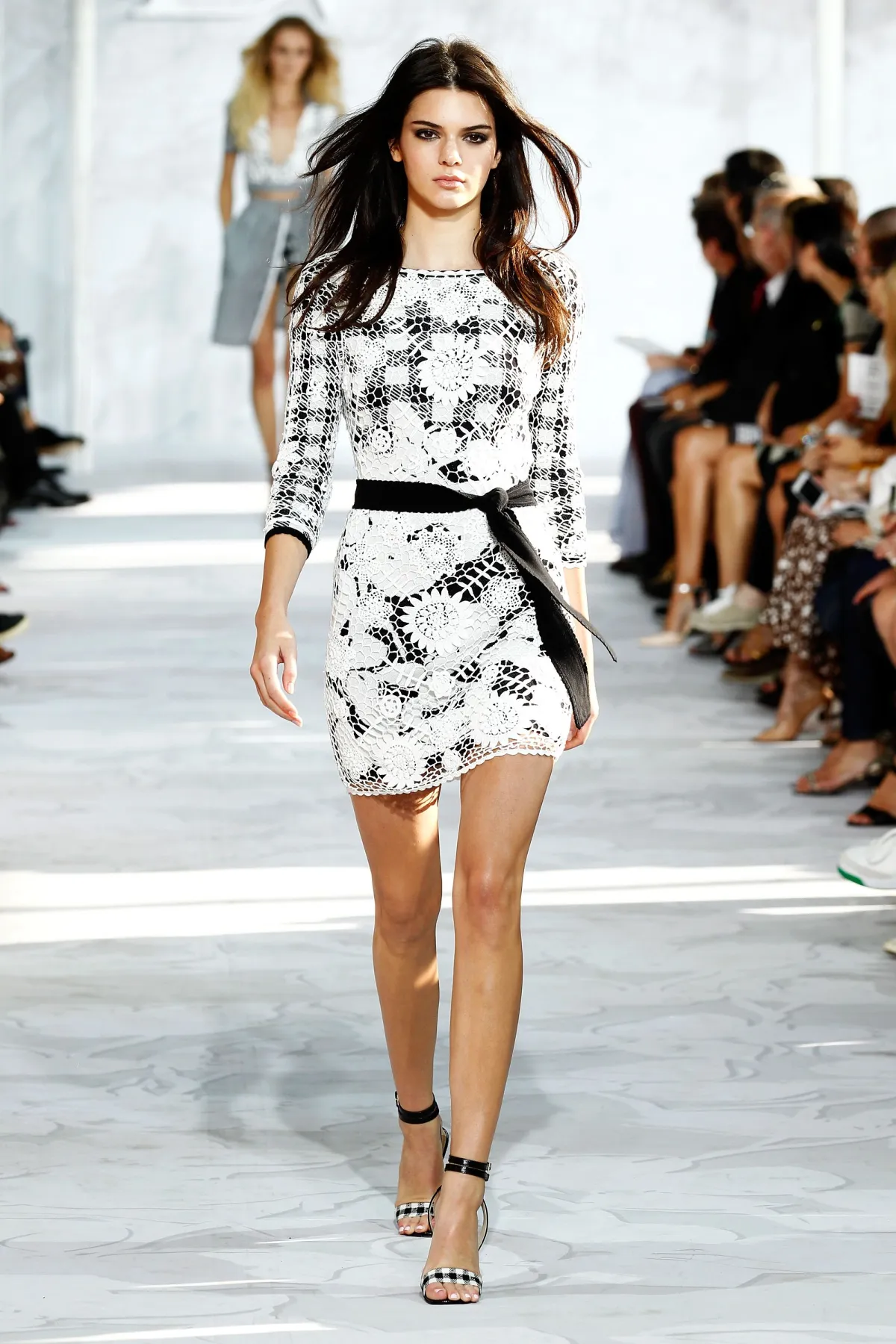 Photo: Kendall Jenner, via assets.teenvogue.com
Let's start with the obvious one. In 2017, Kendall Jenner starred in a Pepsi commercial that somehow managed to trivialize social justice movements, police brutality, and the entire concept of activism in under three minutes. The ad showed Jenner leaving a photoshoot to join a protest, then solving police tensions by handing an officer a Pepsi. The backlash was so swift and brutal that Pepsi pulled the ad within 24 hours, but the damage was done. Jenner reportedly "felt horrible" about the controversy, but the internet's memory is long and unforgiving.
Kim Kardashian x Diclegis: When Oversharing Meets Oversight
Kim K's Instagram post promoting the morning sickness medication Diclegis seemed innocent enough — until the FDA stepped in. Turns out, pharmaceutical advertising has actual rules, and Kim's post failed to mention any side effects or risks. The FDA sent a warning letter, Kim had to delete and repost with proper disclaimers, and suddenly everyone was asking: shouldn't someone have caught this before it went live?
Scarlett Johansson x SodaStream: Timing Is Everything
Scarlett Johansson's partnership with SodaStream might have been fine in a vacuum, but the company's factory in the West Bank made her Super Bowl commercial a political minefield. When Oxfam, where Johansson served as an ambassador, criticized the deal, she had to choose between the humanitarian organization and the soda maker. She chose SodaStream and resigned from Oxfam, proving that sometimes the real cost of a brand deal isn't monetary.
The Crypto Bros Who Should Have Known Better
Matt Damon x Crypto.com: Fortune Favors the... Awkward
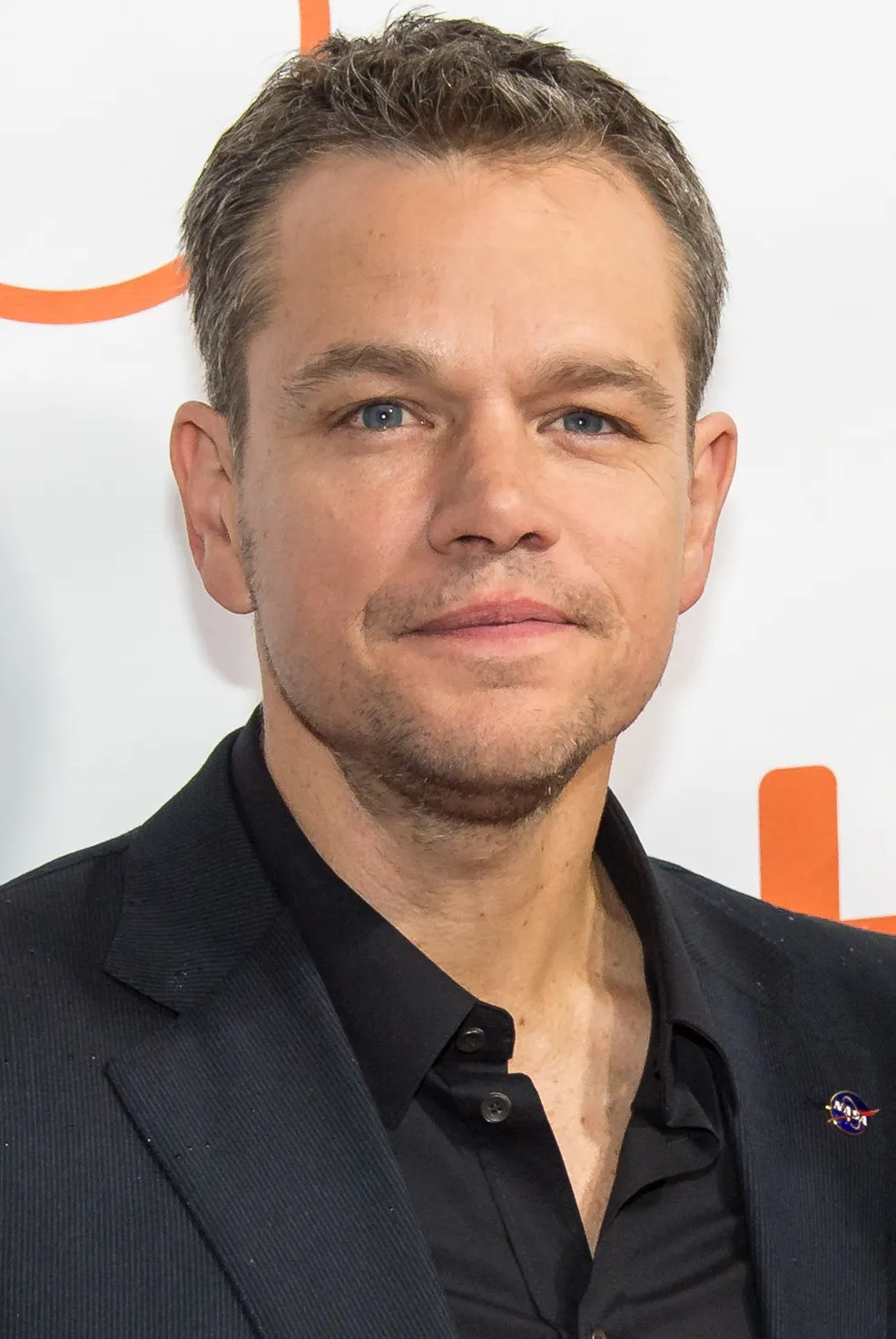 Photo: Matt Damon, via upload.wikimedia.org
"Fortune favors the brave" became "Fortune favors the cringe" faster than you could say "blockchain." Matt Damon's dramatic crypto commercial aired right before the market crashed, making his inspirational speech about taking risks age like milk in the sun. The memes were merciless, and Damon went from respected actor to crypto cautionary tale overnight.
Tom Brady x FTX: The GOAT Gets Goxed
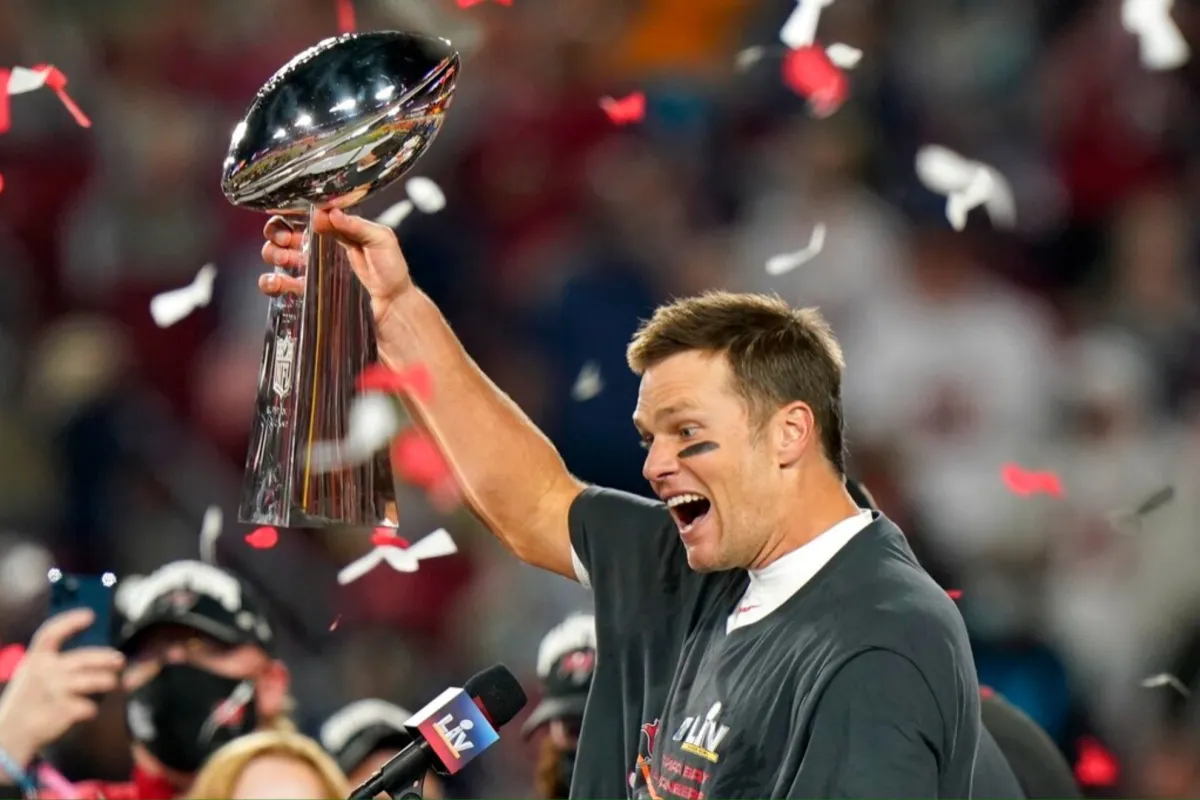 Photo: Tom Brady, via e00-marca.uecdn.es
Tom Brady and Gisele Bündchen weren't just spokespeople for FTX — they were equity partners and the faces of a massive marketing campaign. When the exchange collapsed amid fraud allegations, their association with the brand became a legal nightmare. The couple is now facing lawsuits from investors, proving that sometimes getting in early isn't always better.
The Authenticity Test: Why Some Deals Feel Fake
The difference between a successful celebrity partnership and a cringe-fest often comes down to authenticity — or at least the appearance of it. When Ryan Reynolds promotes Aviation Gin, it works because his irreverent humor matches the brand's personality. When George Clooney sold Nespresso, it felt natural because, honestly, he does seem like the type of guy who's particular about his coffee.
But when celebrities promote products that clearly contradict their public image, fans can smell the desperation from miles away. Nobody believed that Kim Kardashian was personally mixing protein shakes, and the flat tummy tea epidemic made it obvious that influencers were just copying and pasting the same promotional posts.
The Recovery Playbook: Can You Come Back?
Some celebrities have managed to bounce back from brand deal disasters, but it requires a specific kind of damage control. The key seems to be acknowledgment without dwelling. Kendall Jenner never directly addressed the Pepsi debacle, but she also never made the same type of tone-deaf commercial again. Sometimes the best apology is simply not repeating the mistake.
Ryan Lochte's various endorsement disasters post-Rio Olympics scandal show the flip side — when you're already in hot water, bad brand deals just make everything worse. His questionable partnerships with everything from Pine Bros. throat drops to a reality show about his personal life felt desperate rather than strategic.
The New Rules of Celebrity Endorsements
The landscape has shifted dramatically in the past few years. Consumers are more skeptical, social media makes backlash instantaneous, and cancel culture means mistakes have longer-lasting consequences. Smart celebrities are being more selective, often taking equity stakes in brands they genuinely use rather than just cashing checks for one-off campaigns.
The rise of celebrity-founded brands has also changed the game. When Rihanna launches Fenty Beauty or The Rock promotes his own tequila, it feels different because they have actual skin in the game. The endorsement becomes an extension of their personal brand rather than a random money grab.
The Influence Economy's Dark Side
What's particularly insidious about modern celebrity endorsements is how they exploit parasocial relationships. Fans trust their favorite celebrities, and that trust becomes a commodity to be sold to the highest bidder. When that trust is betrayed — whether through a bad product, unethical company practices, or just obvious insincerity — it damages something deeper than just a celebrity's reputation.
The FTC has tried to regulate this with disclosure requirements, but enforcement is spotty and penalties are often just the cost of doing business. Meanwhile, celebrities continue to promote everything from questionable supplements to actual scams, banking on the fact that their fans' loyalty will override their critical thinking.
The Bottom Line
The celebrity brand deal graveyard serves as a reminder that not every opportunity is worth taking. In an era where authenticity is currency and social media never forgets, the cost of a bad partnership can far exceed whatever check you're cashing. But as long as there are products to sell and celebrities willing to sell them, we'll keep getting front-row seats to these spectacular failures.
Because sometimes watching your faves fumble the bag is more entertaining than whatever they're trying to sell us anyway.