The Science of Sorry: Hollywood's Redemption Formula
Let's be real about something: there's literally a playbook for coming back from public disgrace in Hollywood, and it's so predictable at this point that we could probably set our watches by it. Step one: disappear. Step two: therapy announcement. Step three: carefully curated magazine interview. Step four: strategic charity work. Step five: triumphant return project.
Rinse, repeat, and hope the internet has moved on to canceling someone else.
But here's the million-dollar question that's been eating at us: when did public redemption become less about genuine change and more about following a PR checklist? And more importantly – are we all just playing along because we love a good comeback story?
The Disappearing Act: Phase One of Operation Comeback
Every successful Hollywood redemption starts with the strategic vanishing act. Not a dramatic flounce-off-to-Europe situation (that's for amateurs), but a carefully calculated retreat from public life that's long enough to let the heat die down but not so long that people forget you exist entirely.
Take Mel Gibson. After his 2006 antisemitic rant during a DUI arrest, he disappeared from Hollywood for nearly a decade. No red carpets, no interviews, no "candid" paparazzi shots of him looking contemplative while walking his dog. Just... gone. When he finally resurfaced with Hacksaw Ridge in 2016, enough time had passed that people were willing to separate the artist from the antisemite.
Contrast that with someone like Armie Hammer, who tried to stage a comeback way too soon after his cannibalism scandal (yes, that's a real sentence we just typed). Dude was spotted selling timeshares in the Cayman Islands barely two years after the allegations broke. The internet collectively said "absolutely not" and he disappeared again. Timing, apparently, is everything.
The Therapy Announcement: Because Nothing Says 'I'm Changed' Like Professional Help
Phase two of the comeback playbook is always, always the therapy announcement. And it has to be phrased just right – not so specific that it sounds like damage control, but not so vague that it sounds insincere.
Britney Spears mastered this during her 2007 breakdown recovery. "I'm taking time to focus on my mental health and my family." Perfect. Vague enough to mean anything, specific enough to sound genuine, and it positioned her as the victim of circumstances rather than the architect of chaos.
More recently, Jonah Hill has been incredibly open about therapy and mental health work, but in his case, it feels genuine because he's not using it as an excuse for bad behavior – he's using it as a tool for growth. The difference is subtle but crucial: one feels like accountability, the other feels like manipulation.
The Magazine Confessional: Redemption in Glossy Print
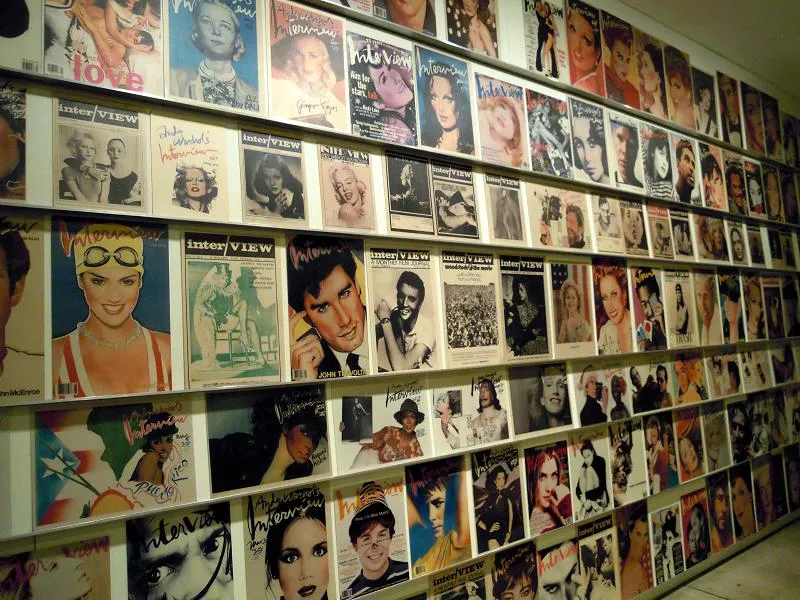
Once the therapy announcement has done its work, it's time for the carefully orchestrated magazine interview. And we mean carefully orchestrated. These aren't spontaneous heart-to-hearts – they're strategic communications exercises designed to control the narrative.
The formula is always the same: soft lighting, neutral background, maybe a cozy sweater to suggest approachability. The celebrity sits across from a sympathetic interviewer (often Oprah, sometimes Gayle King, occasionally a carefully chosen magazine editor) and delivers a performance of vulnerability that's been rehearsed within an inch of its life.
Robert Downey Jr. basically invented this playbook with his post-addiction comeback. Every interview was the same: acknowledgment of past mistakes, gratitude for second chances, and just enough specific detail to sound authentic without being too uncomfortable. It worked so well that Marvel built an entire cinematic universe around him.
But then you have someone like James Corden, whose recent "apology" for being rude to restaurant staff felt so scripted and insincere that it actually made things worse. The magazine confessional only works if people believe you mean it.
The Charity Circuit: Doing Good or Looking Good?
Phase four is always the strategic charity work. Nothing says "I'm a changed person" like being photographed serving soup at a homeless shelter or visiting children in hospitals. But here's where things get murky – because sometimes the charity work is genuine, and sometimes it's just really expensive PR.
Matthew McConaughey has been doing charity work for decades, long before he needed any kind of image rehabilitation. When he talks about his foundation work, it feels authentic because it predates any scandal. But when a celebrity suddenly develops a passion for environmental causes right after being caught in a private jet scandal? That's when our BS detectors start going off.
The key is consistency and longevity. One photo op at a charity event is damage control. Five years of sustained, unglamorous work is probably genuine.
The Triumphant Return: Stick the Landing or Die Trying
The final phase is the comeback project itself, and this is where most redemption arcs either soar or crash spectacularly. The project has to be good enough to remind people why they liked you in the first place, but it also has to acknowledge the journey you've been on.
Winona Ryder nailed this with Stranger Things. Her shoplifting scandal was ancient history by then, but the show positioned her as a concerned mother fighting for her family – essentially the opposite of her previous "troubled actress" image. It worked because the role felt like a natural evolution, not a desperate grab for relevance.
On the flip side, Kevin Spacey's attempted comeback with The Man Who Drew God was such a spectacular miscalculation that it actually made his situation worse. The movie was terrible, his performance felt tone-deaf, and the whole thing reeked of "I'm going to force my way back into Hollywood whether you like it or not."
The New Rules of Redemption
Here's what's changed about the comeback game in recent years: the internet has a much longer memory, and audiences are much more sophisticated about recognizing PR moves. The old playbook still works, but only if it feels genuine.
The celebrities who successfully navigate scandals these days are the ones who acknowledge that redemption is an ongoing process, not a destination. They don't disappear and then expect to pick up where they left off – they understand that trust has to be rebuilt slowly, consistently, and authentically.
The Uncomfortable Truth About Forgiveness
Here's the thing that makes us uncomfortable about the whole celebrity redemption industry: it works because we want it to work. We want to believe that people can change, that mistakes don't have to be permanent, that everyone deserves a second chance.
But it also works because celebrities have resources that regular people don't. They can afford the best PR teams, the best lawyers, the best image consultants. They can disappear to expensive rehab facilities and emerge with carefully crafted redemption narratives. They can make strategic charitable donations and hire ghostwriters for their "candid" memoirs.
The real question isn't whether celebrities can be redeemed – it's whether their redemption means anything when it's been so carefully manufactured.
What Comes Next?
As we watch the next wave of celebrity scandals unfold (and trust us, they're coming), it'll be interesting to see how the playbook evolves. Will audiences become even more skeptical of obvious PR moves? Will celebrities get more creative with their comeback strategies? Or will we all just keep playing along because we love a good redemption story?
One thing's for sure: as long as there are celebrities behaving badly, there will be publicists standing by with the comeback playbook, ready to guide them through the five-step program to professional resurrection.