The 'We're Just Collaborating' Lie: How Music Videos Became Celebrity Romance Announcement Trailers
When Sabrina Carpenter and Barry Keoghan were spotted getting cozy on the set of her "Please Please Please" music video earlier this year, their teams were quick to clarify: this was purely professional. Just an actor doing his job, they insisted. Cut to months later, and the two are practically attached at the hip, making red carpet debuts and soft-launching their relationship across social media like clockwork.
Sound familiar? That's because Hollywood has been running this exact playbook for decades, and somehow, we keep falling for it every single time.
The Art of the 'Accidental' Love Story
The music video romance pipeline has become so predictable it's practically a genre unto itself. Step one: cast an impossibly attractive co-star for your latest visual project. Step two: generate buzz about the "electric chemistry" during filming. Step three: deny, deny, deny any romantic involvement while conveniently being photographed together at coffee shops. Step four: profit from the relationship speculation while maintaining plausible deniability.
Take Taylor Swift, the undisputed master of this particular art form. Her track record reads like a casting director's fever dream: Taylor Lautner in "Back to December," Jake Gyllenhaal's rumored involvement in the "All Too Well" short film drama, and most recently, Travis Kelce's surprise appearance at her Eras Tour that definitely wasn't coordinated by their respective publicity teams (wink, wink).
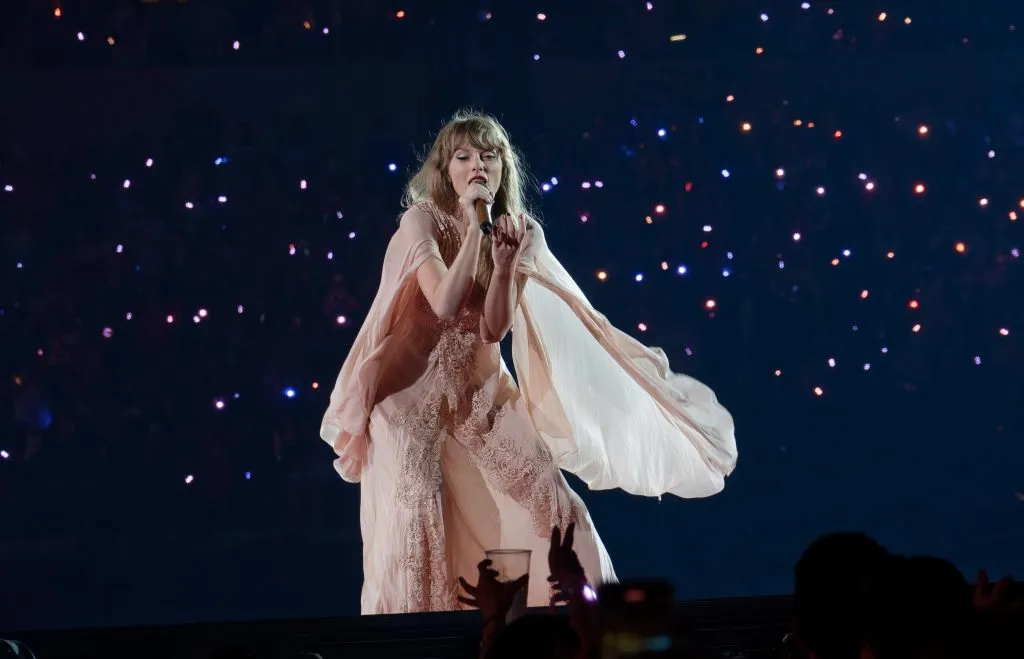 Photo: Taylor Swift, via taylorswiftconcertlondon.co.uk
But Swift isn't alone in treating music videos like an elite dating service. Camila Cabello and Shawn Mendes perfected the slow-burn approach with "Señorita," spending months insisting they were "just friends" while serving up chemistry hot enough to melt the cameras. Their eventual relationship confirmation felt less like a surprise and more like the natural conclusion to the world's most expensive trailer.
When 'Professional Chemistry' Gets Too Real
The problem with the collaboration cover story is that it requires everyone involved to be exceptional actors – and let's be honest, not every pop star went to Juilliard. Body language doesn't lie, and neither do paparazzi photos of "casual" lunch meetings that happen to occur right after video shoots wrap.
Jennifer Lopez and Ben Affleck's reunion started with whispers about a potential music project collaboration, only for them to be spotted house-hunting in Los Angeles weeks later. Gigi Hadid and Zayn Malik's on-and-off relationship was constantly punctuated by her appearances in his music videos, treating their romance like a subscription service – canceled and renewed whenever convenient.
The most recent example might be the most obvious yet: Ice Spice and Pete Davidson's brief whatever-that-was, which conveniently coincided with rumors about a comedy sketch collaboration. The timeline was so transparent that fans started placing bets on how long the "creative partnership" would last before someone spilled the tea.
The Social Media Detective Squad Never Sleeps
What makes the collaboration lie particularly amusing in 2024 is how impossible it's become to maintain. Fan accounts with the investigative skills of FBI analysts can trace Instagram story locations, decode Spotify playlist updates, and cross-reference paparazzi photos with filming schedules. The internet's collective detective work has turned celebrity privacy into an impossibility.
When Olivia Rodrigo cast Louis Partridge in her "So American" music video, fans immediately began connecting dots that probably didn't exist – but the speculation machine was already in motion. The comments sections became forensic analysis workshops, with users pointing out everything from matching jewelry to suspiciously similar social media posting schedules.
TikTok has made this phenomenon even more intense. Users create elaborate conspiracy theory videos complete with timelines, photo evidence, and relationship predictions that would make Us Weekly jealous. The platform's algorithm ensures these theories reach millions, turning every music video casting choice into potential relationship confirmation.
Why the Industry Keeps Using the Same Script
So why do celebrities and their teams continue reaching for the collaboration excuse when everyone sees right through it? Simple: it works. The speculation generates massive engagement, drives streaming numbers, and keeps both parties in the headlines without requiring them to confirm anything concrete.
It's the entertainment industry's version of having your cake and eating it too. Artists get the publicity boost from relationship rumors while maintaining the ability to pivot if things go south. Music video "chemistry" provides the perfect testing ground for public reaction without the commitment of an official announcement.
Plus, there's something deliciously old-school Hollywood about the whole charade. In an era of oversharing and constant transparency, the collaboration cover story offers a throwback to when celebrity relationships required actual detective work to uncover.
The Streaming Era's Twist on an Old Formula
What's changed in recent years is how quickly the facade crumbles. Streaming platforms and social media have accelerated every aspect of celebrity culture, including relationship timelines. The traditional "months of speculation" period has compressed into weeks, sometimes days.
Artists are also getting bolder with their hints. Music video concepts have become increasingly intimate, with bedroom scenes and romantic storylines that would make soap opera writers blush. The line between "acting" and "barely concealed reality" has essentially disappeared.
Some celebrities have started embracing the transparency, like Dua Lipa, who's been refreshingly honest about her dating life rather than hiding behind collaboration covers. But for every honest approach, there are five more artists pretending their music video co-star just happens to be really, really good at fake chemistry.
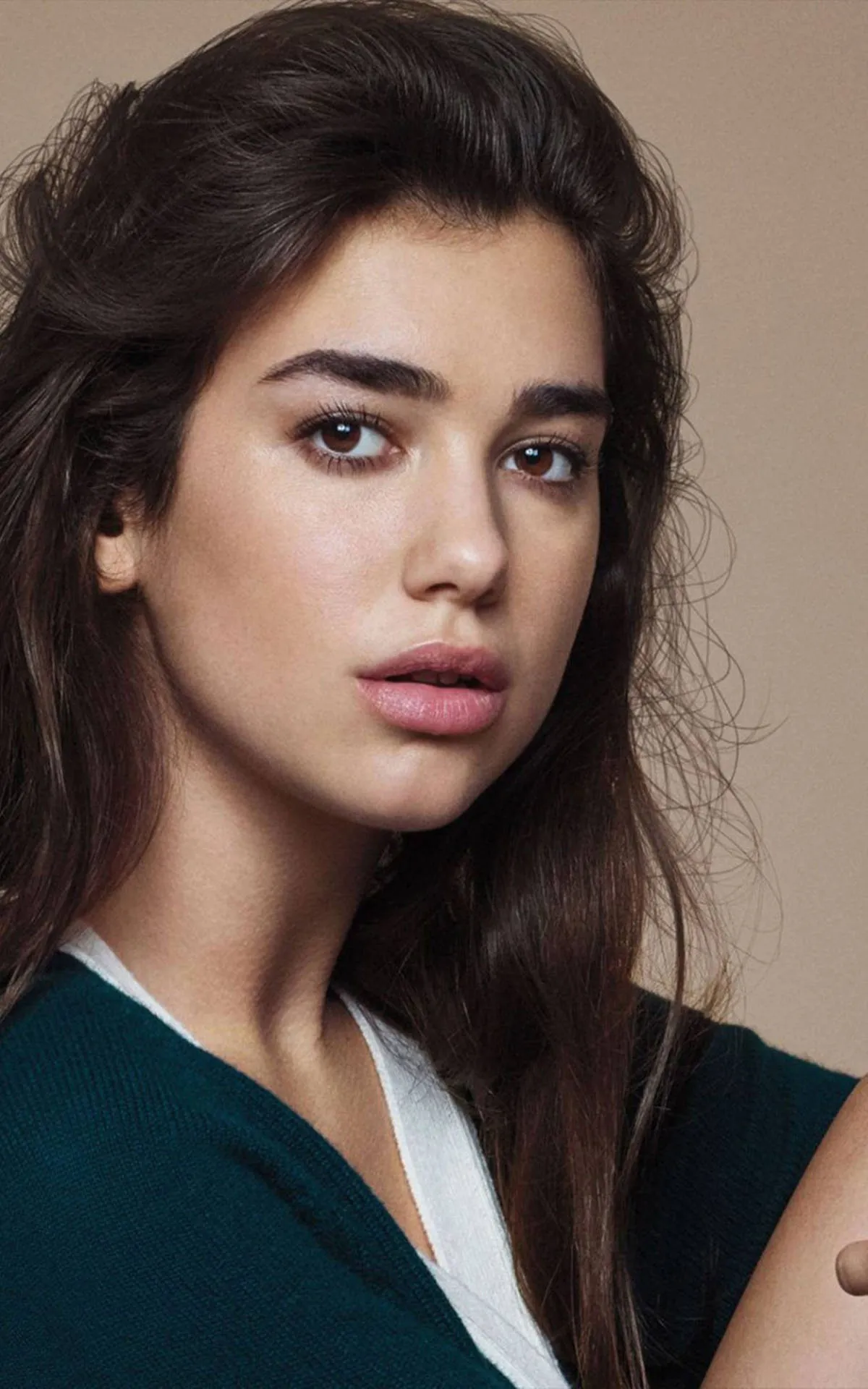 Photo: Dua Lipa, via wallpapers.com
What Happens When the Music Stops
The collaboration lie becomes particularly awkward when relationships end. Suddenly, those "purely professional" music videos feel like relationship evidence, and artists have to decide whether to retire the songs or pretend the whole thing never happened.
Ex-couples who appeared in each other's videos create particularly messy situations for streaming platforms and concert setlists. Do you skip the song that features your ex-boyfriend's face in every frame? Do you re-edit the video? These are the modern problems of mixing business with pleasure.
The industry has yet to develop a graceful exit strategy for when collaboration-based relationships implode, leaving artists to navigate the awkwardness of promoting songs that now feel like public relationship autopsies.
At this point, the "we're just collaborating" excuse has become such a transparent lie that it's almost endearing in its predictability – like watching your favorite sitcom rerun for the hundredth time, you know exactly how it ends, but somehow you're still entertained by the journey.