The Great Disappearing Act
Remember when Miley Cyrus went from twerking controversy queen to indie folk darling seemingly overnight? Or when Justin Timberlake morphed from *NSYNC heartthrob to "bringing sexy back" solo artist without missing a beat? The most fascinating thing about celebrity rebrands isn't how dramatic they are — it's how quickly we all collectively agree to pretend they were inevitable.
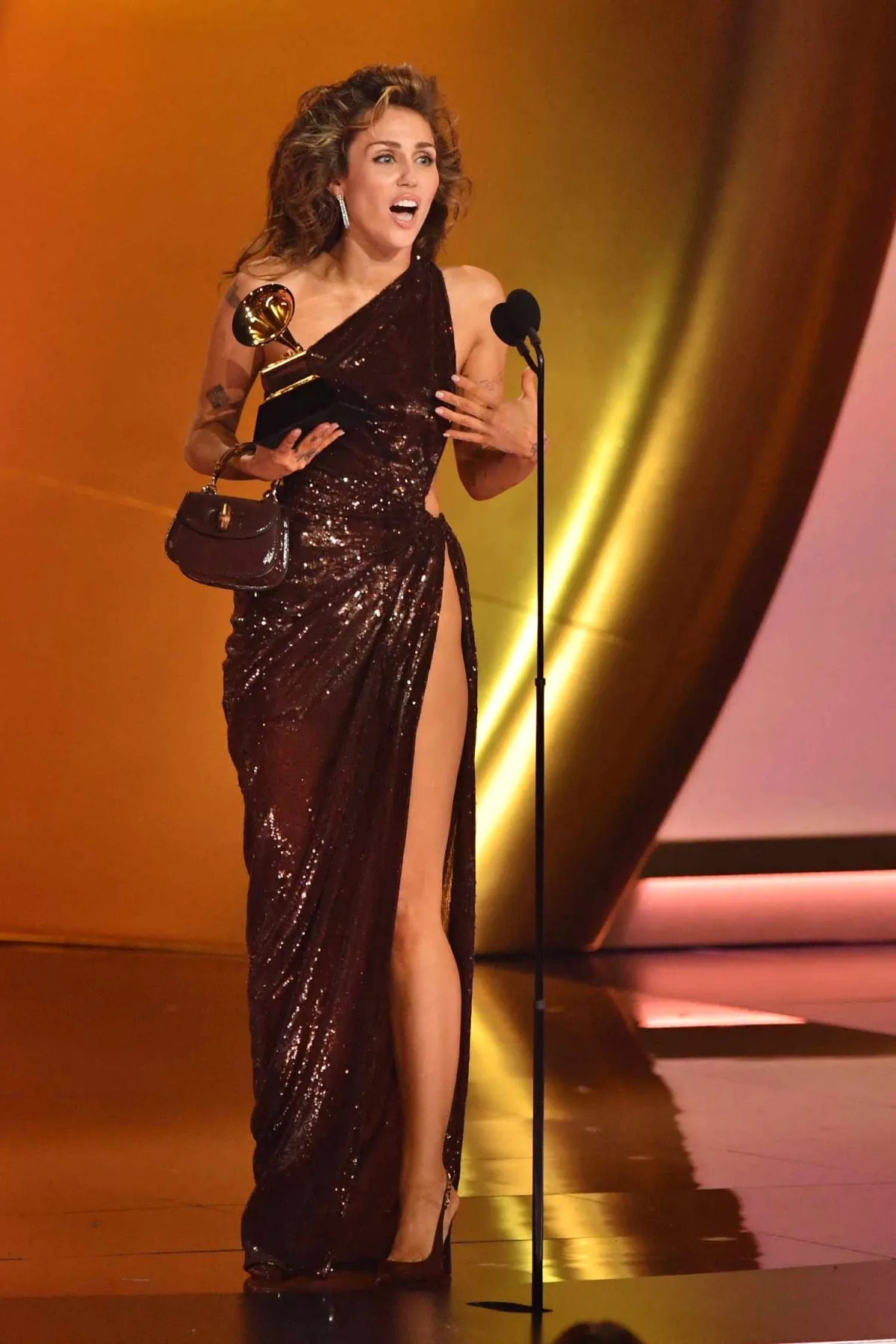 Photo: Miley Cyrus, via www.instyle.com
Welcome to the era of the "spontaneous" rebrand, where A-listers master the art of reinvention so seamlessly that questioning it feels almost rude. These aren't your grandmother's publicity makeovers with obvious press tours and magazine spreads announcing "The New Me." Today's celebrity transformations are psychological sleight of hand, designed to make you believe you witnessed an organic evolution rather than a calculated pivot.
The Anatomy of Authentic Fakeness
The modern celebrity rebrand operates on a simple principle: the best transformation is the one that doesn't feel like one. Take Taylor Swift's folklore era — a complete aesthetic and sonic departure that arrived with zero warning, yet somehow felt like the natural progression of an artist we'd been watching "mature" for years. The genius wasn't in the surprise; it was in making millions of fans simultaneously think, "Of course this is where she was heading."
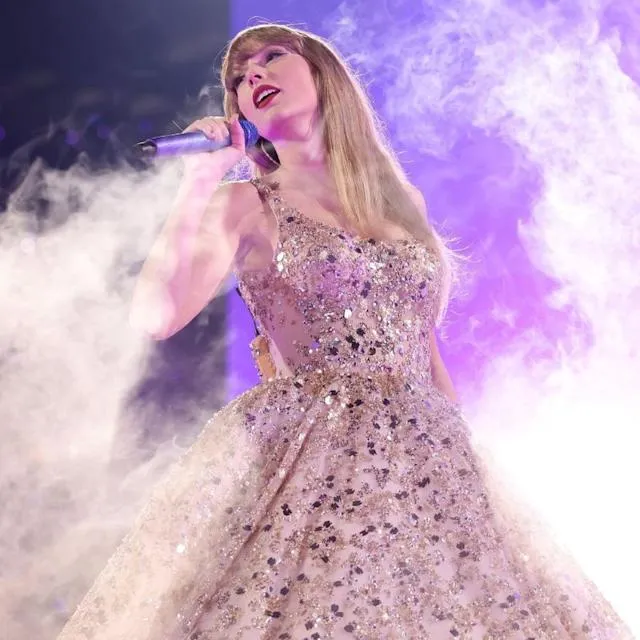 Photo: Taylor Swift, via s.yimg.com
This isn't accident. Celebrity teams have perfected the art of planting seeds months, sometimes years in advance. A casual Instagram story featuring indie music. A paparazzi shot in unexpectedly bohemian clothing. A thoughtful quote about "finding peace" in an interview that seemed unrelated. By the time the official rebrand arrives, the groundwork has been so thoroughly laid that fans feel like co-conspirators in the transformation rather than witnesses to a marketing campaign.
The Spiritual Awakening Industrial Complex
Perhaps nowhere is this more obvious than in the sudden surge of celebrity "spiritual journeys." From Russell Brand's transformation into a meditation guru to Gwyneth Paltrow's evolution into wellness mogul, the path from troubled celebrity to enlightened teacher has become a well-worn route. The template is surprisingly consistent: a period of public struggle, a retreat from the spotlight, some carefully curated social media posts about "finding myself," and then the grand re-emergence as a completely different person who just happens to have a book/course/lifestyle brand to sell.
The brilliance is in the timing. These rebrands always arrive at the exact moment when the celebrity's old image has become either problematic or simply stale. It's never too early (which would seem opportunistic) or too late (which would seem desperate). The sweet spot is right when audiences are ready for something new but haven't quite realized it yet.
The Sound of Reinvention
Musical artists have turned the rebrand into performance art. When The Weeknd shed his mysterious, drug-addled persona for mainstream pop stardom, he didn't just change his sound — he changed his entire relationship with fame itself. The transformation was so complete that his early mixtapes now feel like they were made by a different person entirely. Which, in a very real sense, they were.
 Photo: The Weeknd, via www.concertarchives.org
The most successful musical rebrands understand that changing your sound isn't enough; you have to change the story of who you are. Ariana Grande's evolution from Nickelodeon princess to R&B powerhouse worked because she didn't just adopt new vocal techniques — she adopted an entirely new origin story, one where her theater kid background suddenly explained her vocal runs rather than her sitcom career.
The Politics of Persona
Perhaps the riskiest rebrand territory is political identity, yet celebrities increasingly use ideological transformation as a vehicle for broader reinvention. When a star suddenly becomes vocal about social justice after years of studied apathy, or when they embrace a particular political stance that contradicts their previous public positions, they're banking on audiences' short memories and desire for heroes.
The key is making the political awakening feel personal rather than performative. The most effective political rebrands come with a compelling backstory about what "opened their eyes" — usually a carefully selected anecdote that explains the transformation while absolving them of responsibility for their previous positions.
The Memory Hole Strategy
What makes modern celebrity rebrands so effective is how thoroughly they erase the past. Old interviews disappear from easily searchable platforms. Previous aesthetic choices are quietly scrubbed from official channels. The celebrity's team ensures that the most visible traces of their former self support the new narrative rather than contradict it.
Social media has made this both easier and harder. While old posts can be deleted and accounts can be "refreshed," the internet never forgets completely. The trick is overwhelming the digital footprint with so much new content that the old stuff becomes archaeologically difficult to find. By the time someone digs up a contradictory tweet from 2015, the rebrand is so established that it feels like ancient history.
The Audience as Accomplice
The dirty secret of celebrity rebrands is that they only work because audiences want them to work. We're all complicit in the collective amnesia that allows stars to reinvent themselves because we crave the narrative of transformation. It's more satisfying to believe in growth and change than to acknowledge that we're watching a carefully orchestrated marketing campaign.
Fans become the most effective advocates for the new version, often more defensive of the rebrand than the celebrity themselves. They'll argue passionately that "she's always been this way" or "you can see the evolution if you were really paying attention," turning skeptics into enemies of an organic process rather than critics of a calculated one.
The Next Act Playbook
As celebrity rebrands become more sophisticated, the bar for believability gets higher. The stars who master this art understand that the most powerful transformation isn't about becoming someone completely different — it's about becoming who your audience is ready to believe you always were underneath.
The next time you find yourself thinking a celebrity's dramatic reinvention feels "so authentic" and "totally natural," remember: that's exactly the point.