The 'Humble Era' Hustle: Why Suddenly Going Low-Key Is the Savviest Career Move in Hollywood
Remember when being famous meant being everywhere? When celebrities fought tooth and nail for every red carpet moment, every paparazzi shot, every magazine cover? Well, plot twist: the hottest trend in Hollywood right now is pretending you don't want to be famous at all.
From Phoebe Wallen-Bridge quietly deleting her Instagram to Timothée Chalamet giving interviews about "needing space to breathe" while simultaneously being cast in every major film, the calculated disappearing act has become its own form of celebrity currency. And honestly? We're all falling for it harder than we fell for the "candid" paparazzi shots of the 2010s.
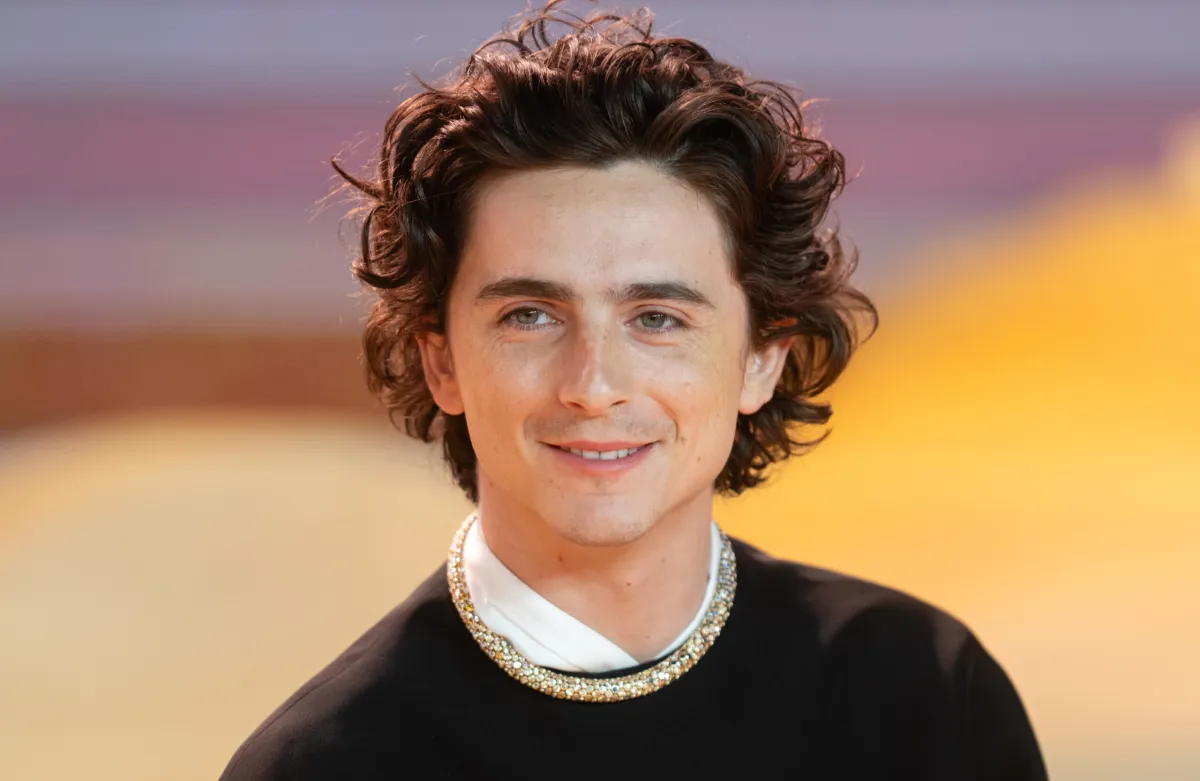 Photo: Timothée Chalamet, via www.rollingstone.de
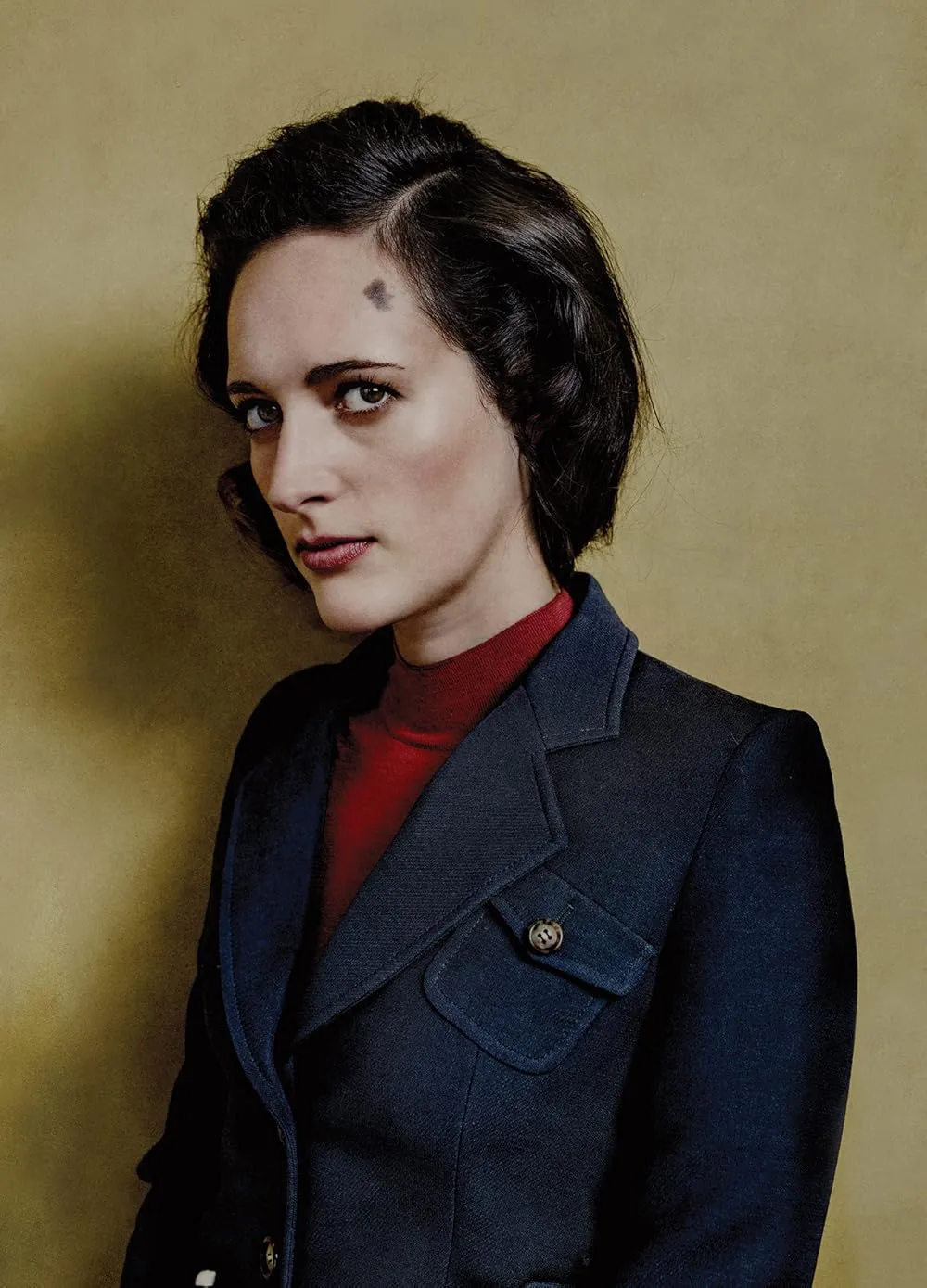 Photo: Phoebe Wallen-Bridge, via m.media-amazon.com
The New Playbook: Strategic Invisibility
The formula is almost laughably predictable at this point. Step one: reach peak overexposure (think constant tabloid coverage, every brand deal under the sun, dating rumors with three different people in one month). Step two: announce you're "stepping back" from the spotlight for your "mental health" or to "focus on your craft." Step three: disappear just long enough for people to miss you. Step four: return with a passion project, a surprise album, or a career-defining role that everyone calls "their most authentic work yet."
Take Zendaya's recent media strategy. After years of being Disney's golden girl and then transitioning into more mature roles, she's mastered the art of selective availability. She'll give one thoughtful interview about her craft, skip the next five red carpets, post a single cryptic Instagram story, then vanish for months. The result? Every appearance feels like an event, every quote gets dissected like scripture, and her mystique grows stronger with each calculated absence.
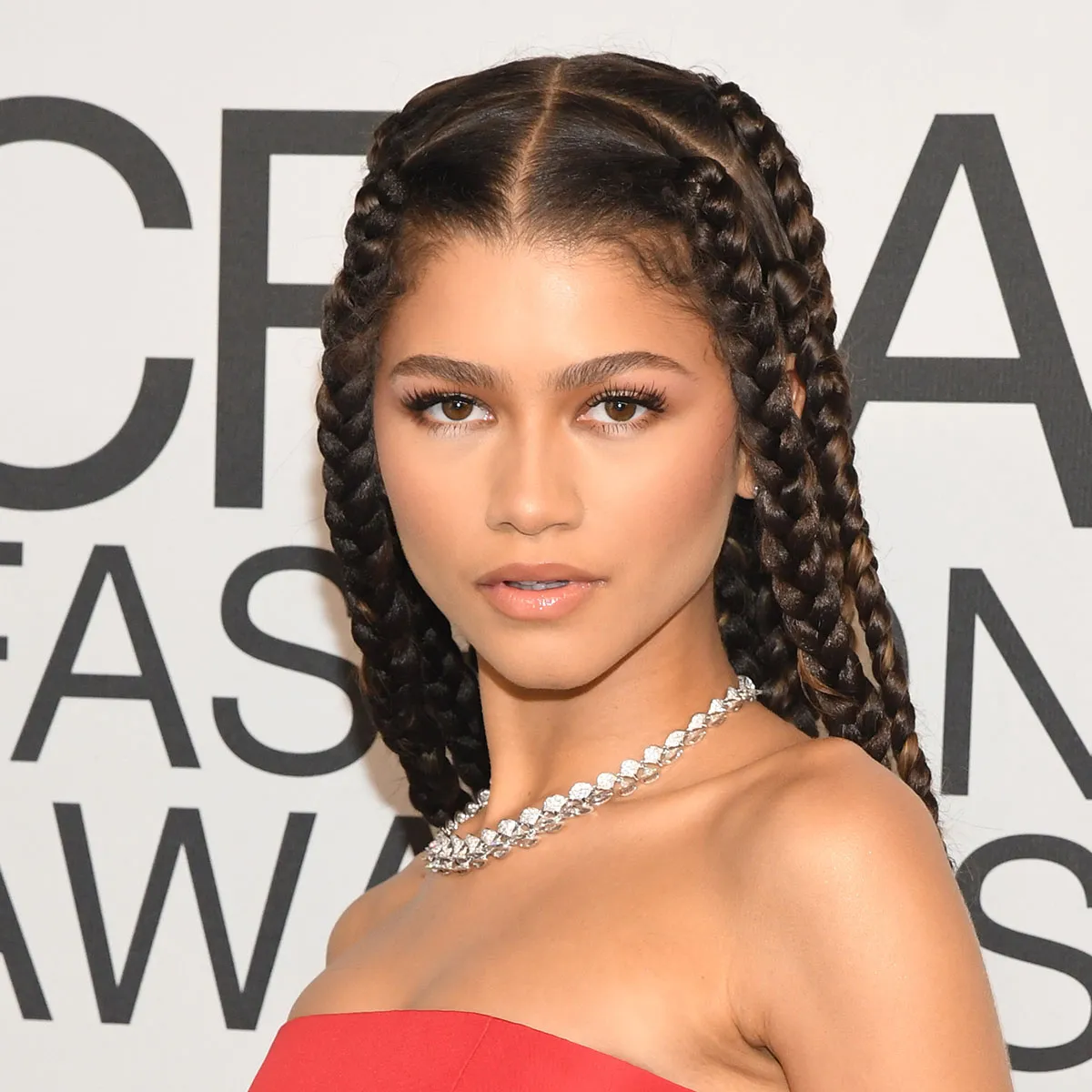 Photo: Zendaya, via www.shefinds.com
The Psychology of Scarcity Marketing
What we're witnessing is scarcity marketing applied to human beings, and it's working like gangbusters. When celebrities were constantly accessible – posting every meal, every workout, every random thought – they became background noise. Now, when someone like Frank Ocean drops off the map for years between albums, or when Adele only emerges for album cycles, their rare appearances feel precious.
"There's definitely a fatigue with over-sharing," explains entertainment strategist Maria Rodriguez, who's worked with several A-list clients on image rehabilitation. "Audiences are craving authenticity, but they've become sophisticated enough to recognize performed authenticity. So now we're seeing performed anti-performance, which is somehow more authentic to them."
The irony is delicious: in an era where we supposedly value transparency and accessibility, we're most drawn to celebrities who maintain mystery. It's like we collectively decided that the most relatable thing a famous person can do is admit they don't want to be relatable.
The Comeback Currency
But here's where it gets really calculated. The "humble era" isn't actually humble at all – it's strategic positioning for a bigger comeback. Look at how Brendan Fraser's "wilderness years" narrative transformed his Oscar campaign for The Whale into a cultural moment. Or how Ke$ha's legal battles and subsequent retreat from pop music made her return feel like a triumph of artistic integrity over industry exploitation.
The pattern is clear: disappear at your peak, let the public forget why they were tired of you, then return with a story about growth, authenticity, and "finding yourself." Bonus points if you can tie it to a larger cultural conversation about mental health, artistic integrity, or the toxicity of fame itself.
The Fan Response: Rewarding the Performance
And we, the consuming public, are absolutely here for it. Social media is full of posts praising celebrities for "choosing themselves" and "prioritizing their mental health." We've created a culture where the most celebrated thing a celebrity can do is publicly reject celebrity.
When Taylor Swift announced her folklore era as a surprise album created in isolation, fans didn't just buy the music – they bought the narrative of artistic purity. Never mind that it was released through the same massive machine as all her previous work; the story of creative retreat made it feel more authentic.
The Authenticity Paradox
Which brings us to the central paradox: is performed authenticity still authentic? When going low-key becomes a high-profile career move, what does that say about our relationship with celebrity culture?
Maybe it doesn't matter. Maybe we're all complicit in this elaborate theater, and we're fine with it as long as the performance is sophisticated enough to maintain the illusion. We want our celebrities to be relatable but aspirational, accessible but mysterious, human but superhuman.
The "humble era" gives us permission to stan guilt-free. We can support celebrities while they publicly reject the very system that made them famous, allowing us to feel like we're supporting artists rather than participating in celebrity worship.
What's Next: The Inevitable Evolution
Of course, like all celebrity trends, this one has an expiration date. We're already seeing the early adopters of strategic humility start to look calculated rather than authentic. The next wave will probably be celebrities who are so genuinely over fame that they won't even perform being over it.
Or maybe we'll swing back to shameless self-promotion – imagine how refreshing it would be for a celebrity to just admit they love being famous and want all the attention they can get?
For now, though, the message from Hollywood is clear: the best way to be seen is to very publicly not want to be seen at all – and honestly, we're not mad about getting better music, movies, and art out of the deal, even if the humility comes with a side of calculation.