The 'Method Acting' Excuse: When Celebrities Use Art as a Shield for Bad Behavior
Photo: 75Portlewes, CC0, via Wikimedia Commons
The 'Method Acting' Excuse: When Celebrities Use Art as a Shield for Bad Behavior
We've all heard the story before: a celebrity does something questionable, offensive, or downright problematic, and suddenly their publicist is spinning tales about "total commitment to the craft" and "staying in character." It's Hollywood's favorite magic trick — turning accountability into artistry with just a few carefully chosen words about method acting.
But here's the tea: audiences aren't buying it anymore.
The Greatest Hits of Method Acting Gone Wrong
The method acting defense has been deployed more times than a Marvel superhero, and usually with about the same level of believability. We've watched stars claim they were "too deep in character" to explain away everything from on-set tantrums to full-blown public meltdowns.
Jared Leto practically wrote the playbook on this one. His Joker preparation for "Suicide Squad" allegedly involved sending used condoms and dead rats to his co-stars — behavior that would get anyone else fired from their day job, but somehow became part of his "artistic process." The film flopped, the Joker portrayal was widely panned, but Leto emerged with his reputation as a "serious actor" somehow intact.
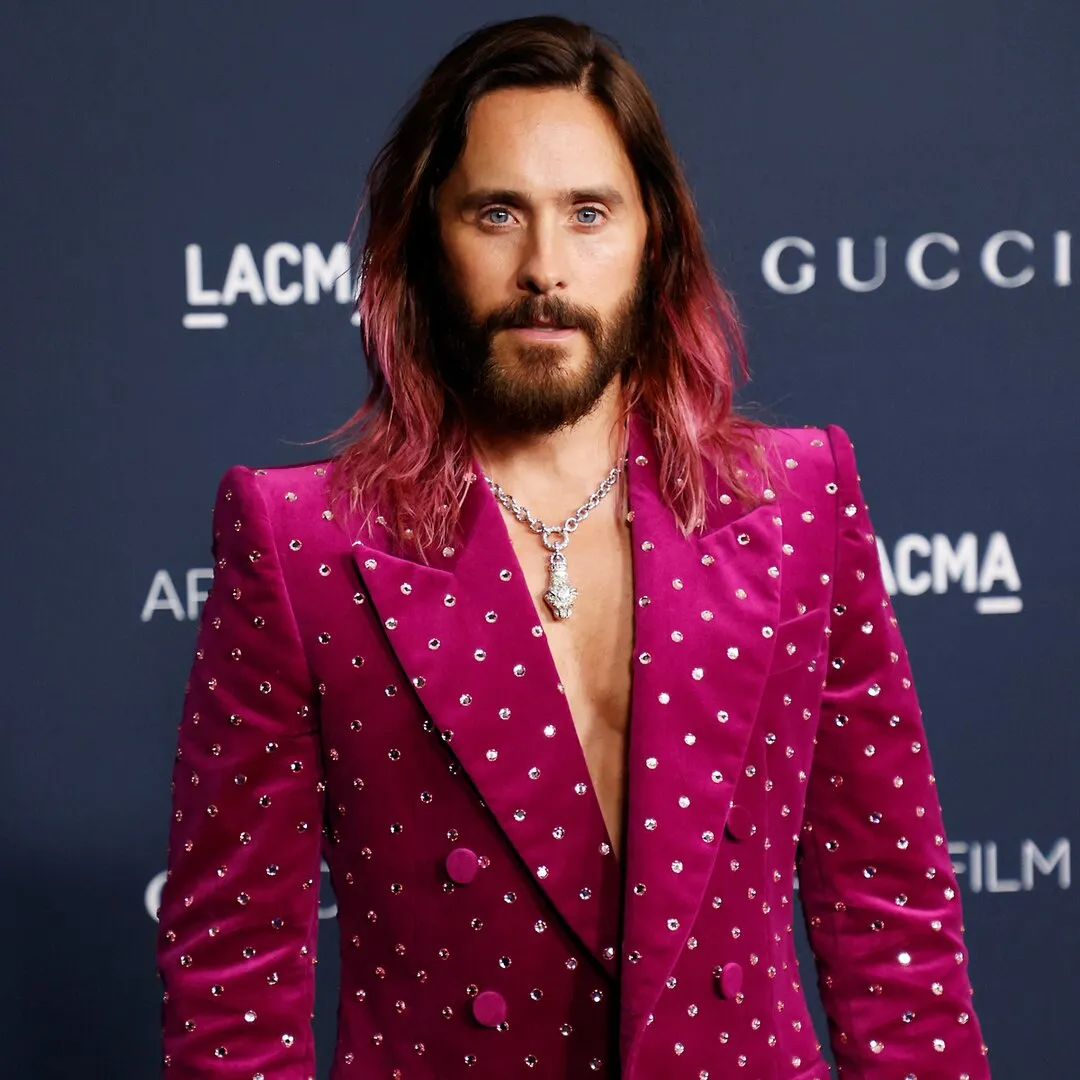 Photo: Jared Leto, via akns-images.eonline.com
Then there's the curious case of Shia LaBeouf, who has turned method acting into a full-contact sport. From living in a cabin for "The Peanut Butter Falcon" to allegedly pulling out his own tooth for "Fury," LaBeouf has built an entire brand around extreme preparation. But when allegations of abuse surfaced from multiple partners, suddenly his "intense" approach to roles started looking less like dedication and more like a pattern of concerning behavior wrapped in artistic packaging.
 Photo: Shia LaBeouf, via cdn.mos.cms.futurecdn.net
Where Art Ends and Excuses Begin
Here's what actual method acting looks like: Daniel Day-Lewis learning to be a cobbler for "Gangs of New York," or Natalie Portman training for months to believably portray a ballerina in "Black Swan." It's about internal preparation, research, and yes, sometimes staying in character between takes.
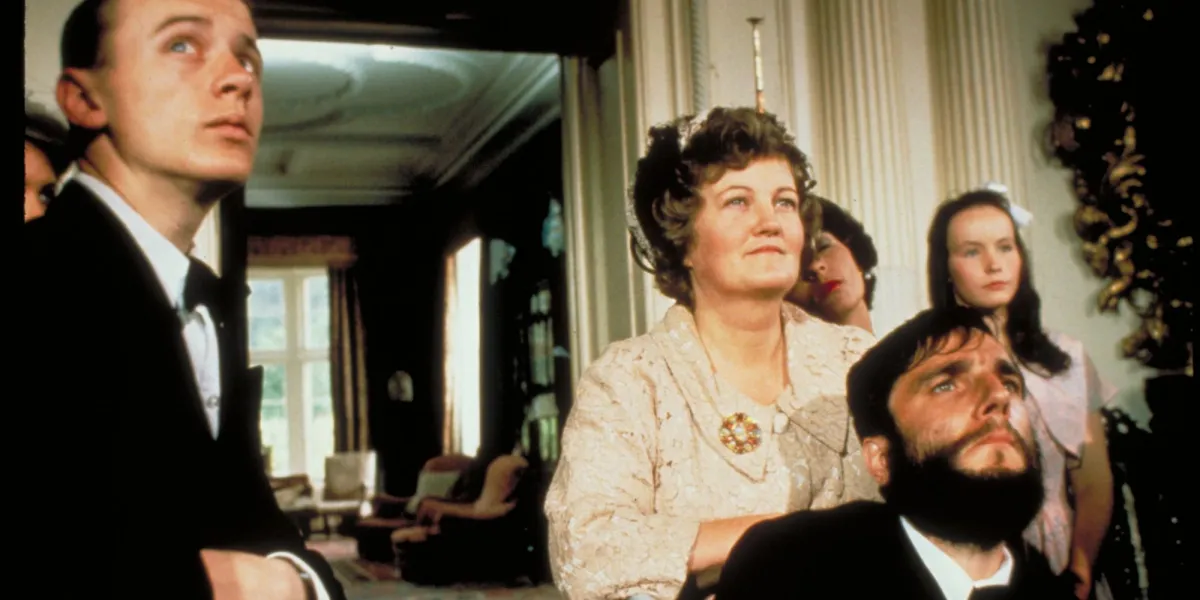 Photo: Daniel Day-Lewis, via static1.colliderimages.com
What it's not? A free pass to be abusive, inappropriate, or unprofessional.
The real method acting masters — your Meryl Streeps, your Gary Oldmans — somehow manage to disappear into roles without leaving a trail of traumatized crew members and uncomfortable co-stars in their wake. Funny how that works.
The Studios Are Complicit
Let's be real: Hollywood loves the method acting narrative because it sells tickets and generates press. A star who "becomes" their character makes for great behind-the-scenes content and awards season campaigning. It's much sexier to market "the actor who lived as Lincoln for six months" than "the guy who memorized his lines and showed up on time."
But this romanticization has created a culture where bad behavior gets rebranded as artistic commitment. Studios have been happy to look the other way when their leading men (and yes, it's almost always men) cross boundaries, as long as they can spin it as passion for the craft.
The Audience Awakening
Something shifted in recent years, though. Maybe it's the #MeToo movement, maybe it's just social media making it harder to control narratives, but audiences have gotten savvy to the method acting con game.
When stories emerge about actors making their co-stars' lives miserable "for the role," fans are increasingly asking: why is your artistic process everyone else's problem? When did "I was in character" become an acceptable explanation for making a workplace hostile?
The younger generation of actors seems to get this. Look at someone like Timothée Chalamet, who delivers powerhouse performances without any reports of diva behavior or method madness. Or Zendaya, who transforms completely for roles while apparently remaining a professional, pleasant human being on set.
The Accountability Revolution
The industry is slowly catching on too. Directors are speaking out about actors who hide behind method acting to justify unprofessional behavior. Crew members are sharing stories that paint these "dedicated" performances in a very different light.
Even some of the method acting defenders are changing their tune. When respected acting coaches start saying that true method work should make you a better scene partner, not a nightmare to work with, you know the tide is turning.
What Real Commitment Looks Like
Here's a wild concept: you can be completely committed to your craft without making everyone around you miserable. You can disappear into a character without disappearing your basic human decency. Revolutionary, right?
The actors who've figured this out — who bring incredible depth to their performances while treating their colleagues with respect — are the ones building lasting careers and genuine industry respect.
Meanwhile, the stars still clinging to the "I was just really in character" excuse are starting to look increasingly out of touch in an industry that's finally prioritizing workplace safety and basic professionalism over manufactured mystique.
The method acting defense isn't dead yet, but it's definitely on life support — and honestly, it's about time.