The Death of the Actual Surprise
Remember when Beyoncé literally broke the internet in 2013 with her self-titled visual album that dropped out of nowhere? It was genuinely shocking. Fans were scrambling, iTunes crashed, and the entire music industry had to recalibrate their understanding of how album releases worked. But here's the thing about lightning in a bottle — once everyone sees the formula, it stops being magic and starts being marketing.
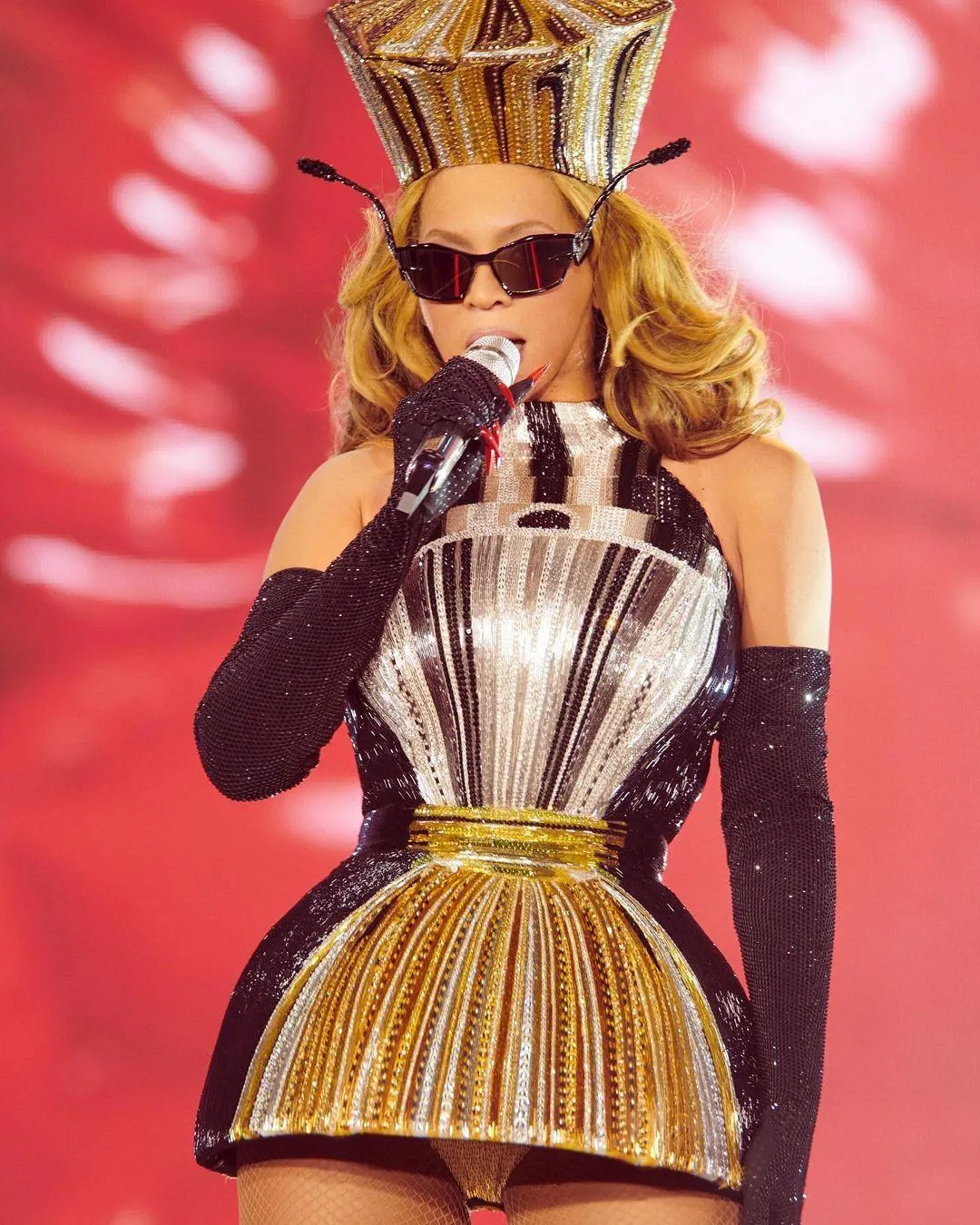 Photo: Beyoncé, via i0.wp.com
Fast forward to 2024, and the "surprise" album drop has become as predictable as a Marvel post-credits scene. When Taylor Swift announces she's got "something special" for fans, we all know what's coming. When Bad Bunny starts posting cryptic Instagram stories, the Spotify servers better prepare for impact. The element of surprise has been weaponized into one of the most calculated power moves in modern pop culture.
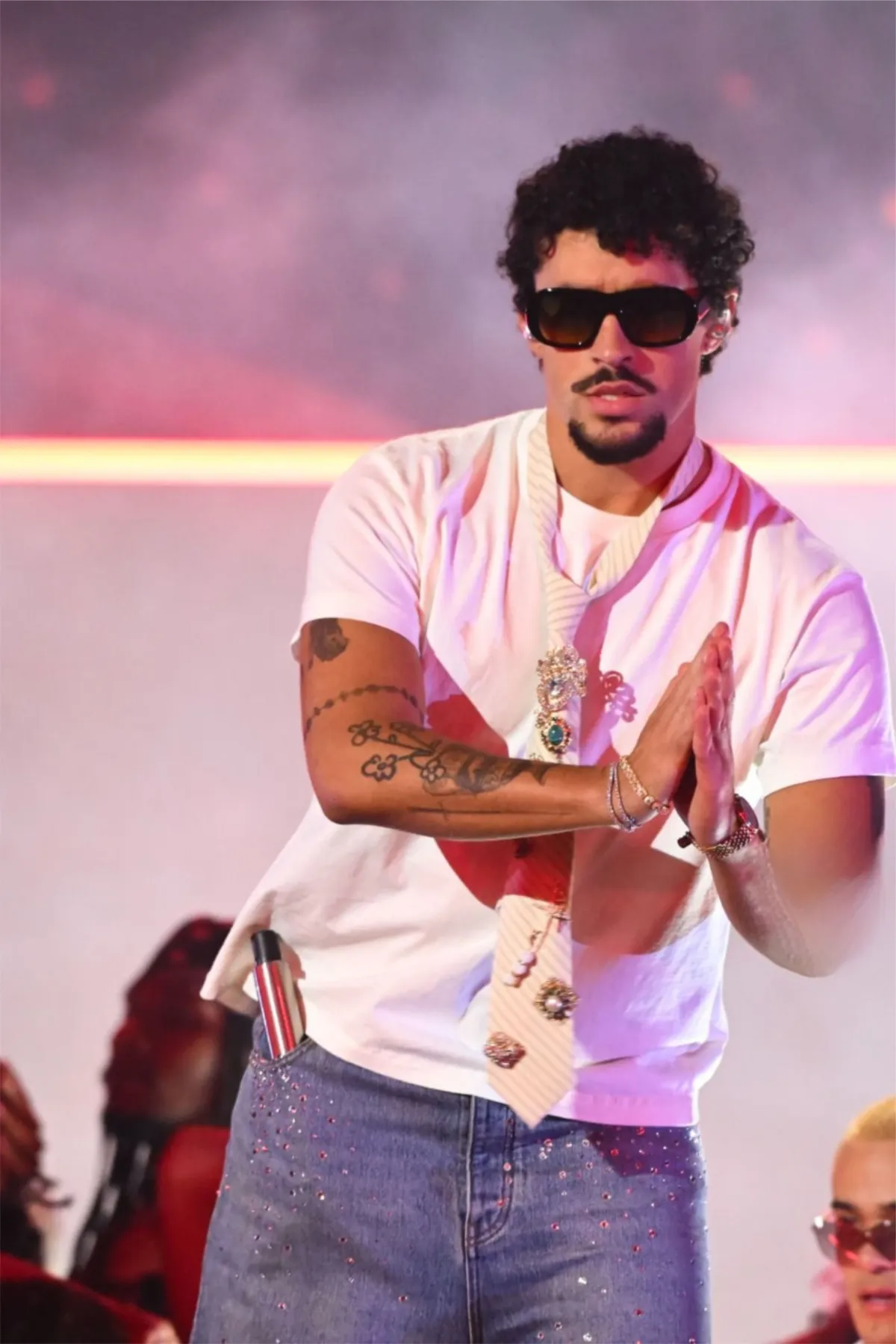 Photo: Bad Bunny, via i.pinimg.com
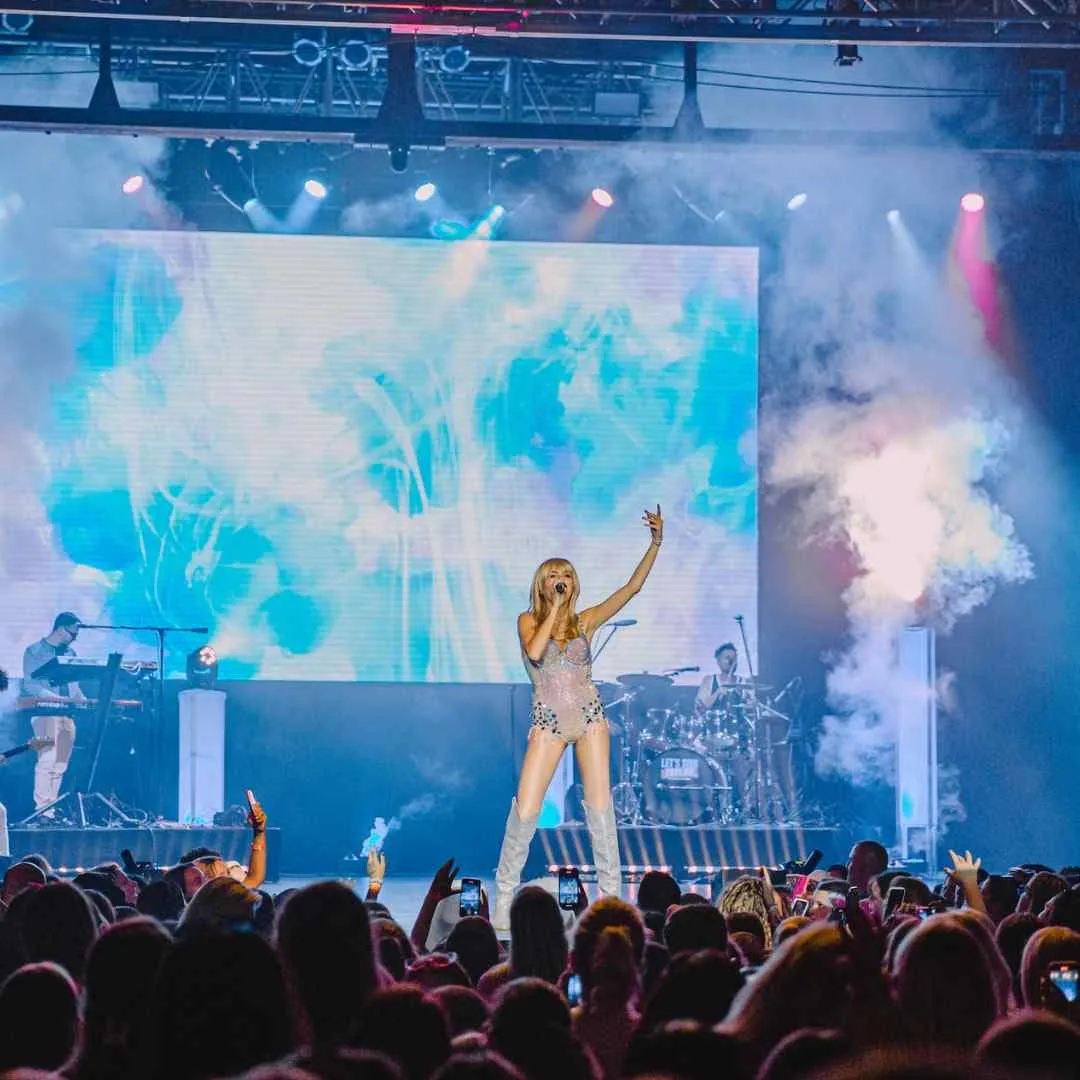 Photo: Taylor Swift, via patch.com
The Anatomy of a Manufactured Moment
Let's break down how these "spontaneous" releases actually work. First, there's the carefully orchestrated buildup that doesn't look like buildup. Artists start posting slightly more frequently, maybe throw in some studio photos or cryptic lyrics. Their teams quietly prep streaming platforms, coordinate with music video directors, and brief journalists under embargo. Radio stations get advance copies. Playlists are updated in advance.
Then comes the drop — usually at midnight EST on a Friday, because that's when the Billboard tracking week begins. Within minutes, the artist's entire social media ecosystem explodes in perfect synchronization. Official accounts, fan pages, music publications, and celebrity friends all start posting at once. The "organic" buzz is anything but organic.
Taylor Swift has turned this into an art form. Her surprise albums "folklore" and "evermore" weren't just musical releases — they were masterclasses in controlling the narrative. By announcing the albums just hours before release, she dominated multiple news cycles, prevented leaks, and made every fan feel like they were part of an exclusive club. The fact that both albums swept awards season wasn't a coincidence — it was strategic brilliance.
Why We Keep Falling for the Formula
Here's the uncomfortable truth: we know it's calculated, and we love it anyway. There's something intoxicating about feeling like you're witnessing history, even when that history has been focus-grouped and market-tested to death. The surprise drop taps into our FOMO in the most visceral way possible. You either tune in immediately or spend the next week watching everyone else have the cultural moment without you.
Beyoncé's "Renaissance" rollout was a perfect example of having it both ways. She announced the album months in advance, building anticipation the traditional way, but then surprised fans with early releases, bonus tracks, and unexpected collaborations. She managed to make a planned release feel spontaneous, which is honestly more impressive than an actual surprise.
The psychological manipulation is real, though. These drops create artificial urgency around art consumption. You can't just listen to the album when you feel like it — you have to listen NOW, before the moment passes, before the memes move on, before you're culturally irrelevant for 48 hours.
The Streaming Wars Made It Worse
Spotify, Apple Music, and Tidal have turned surprise drops into their own competitive sport. Platforms now actively court artists with promises of better playlist placement and promotional support for surprise releases. They've figured out that nothing drives engagement quite like the collective panic of millions of fans trying to stream the same album simultaneously.
The numbers don't lie. Surprise albums consistently perform better in their first week than traditionally promoted releases. Drake's "Honestly, Nevermind" dropped with zero warning and still dominated charts despite mixed reviews. Bad Bunny's surprise releases routinely crash streaming platforms and generate more social media buzz than albums with months of promotion.
When Surprises Become Obligations
The irony is that artists are now trapped by their own success. Fans have come to expect surprise drops, which means the surprise element is dead on arrival. When artists announce albums in advance now, it almost feels disappointing. Where's the drama? Where's the chaos? Why are you being so conventional?
Some artists are pushing back against the expectation. Frank Ocean has made a career out of actually being unpredictable, dropping music when he wants to, how he wants to, regardless of industry expectations. But for every Frank Ocean, there are ten artists whose teams are calculating the perfect moment to "spontaneously" release their next project.
The Real Power Move
The dirty secret is that surprise drops aren't about surprising fans anymore — they're about flexing power. Only artists with massive cultural capital can pull off a successful surprise release. You need enough star power to guarantee media coverage, enough fan loyalty to drive immediate streams, and enough industry clout to get platforms to prioritize your content.
It's become a way of saying "I'm so famous that I don't need to follow the rules." Which is why when smaller artists try to replicate the strategy, it often falls flat. The surprise drop has become a privilege of the already-successful, a way to remind everyone who really runs the music industry.
The next time your favorite artist "surprises" you with a midnight album drop, remember: the only surprising thing is that we're still pretending any of this is spontaneous.