So You Wrote a Children's Book: The Celebrity Rite of Passage Nobody Asked For (But Everyone Does)
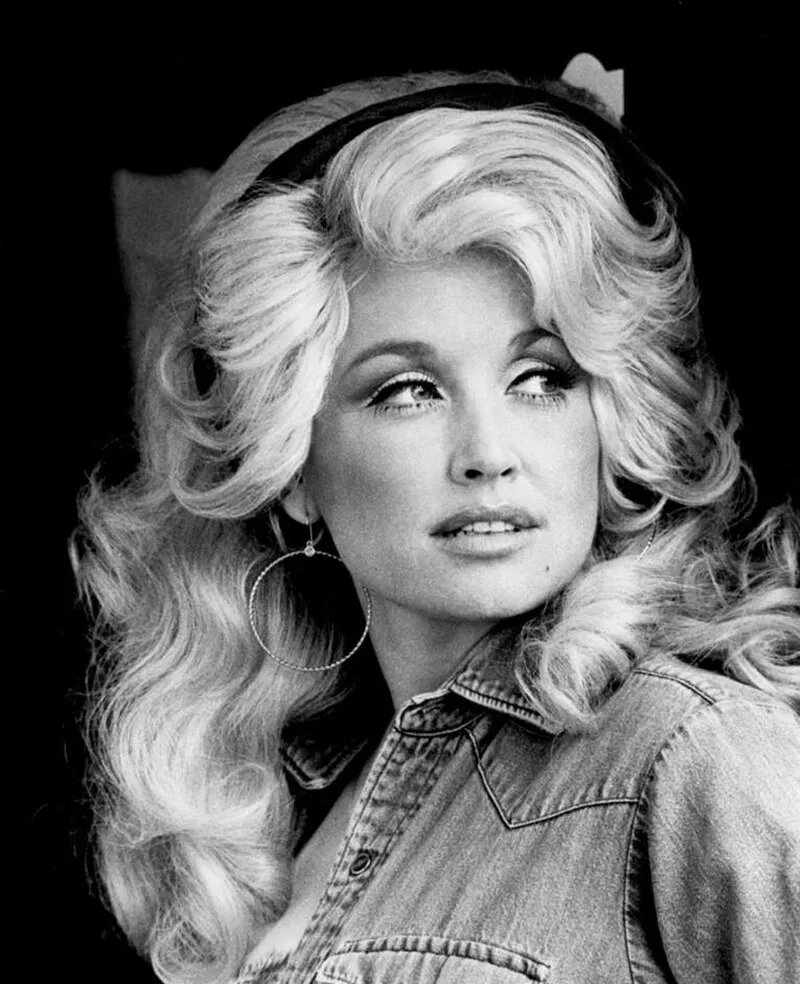
Photo of Dolly Parton, via Wikimedia Commons
So You Wrote a Children's Book: The Celebrity Rite of Passage Nobody Asked For (But Everyone Does)
Somewhere between the perfume launch and the lifestyle podcast, there is a rite of passage so universal, so quietly inevitable, that it has become Hollywood's most reliable soft landing: the celebrity children's book. Not a memoir. Not a thriller. Not even a cookbook. A picture book. With rhymes. About feelings, or dogs, or being different, or — if the celebrity in question is feeling particularly inspired — all three at once.
This is not a new phenomenon, but in 2025 it has reached a kind of critical mass that demands we finally sit down, pour ourselves a cup of something warm, and ask the question nobody in publishing seems brave enough to raise: why is everyone doing this, and what on earth does it mean?
The Roll Call Is Genuinely Staggering
Let's establish the scope of the situation. Madonna published The English Roses back in 2003 and followed it up with a full series — apparently deciding that global pop domination and reinvention as a material girl were insufficient legacy items. Jimmy Fallon has authored multiple children's books, including Your Baby's First Word Will Be DADA, which is either adorable or a deeply revealing insight into his competitive relationship with his wife, depending on your read. Dolly Parton didn't just write a children's book — she launched an entire literacy nonprofit, Dolly Parton's Imagination Library, which has gifted over 200 million books to children worldwide. (Dolly, as always, is operating on a completely different moral plane from the rest of us and should not be used as a standard comparison.)
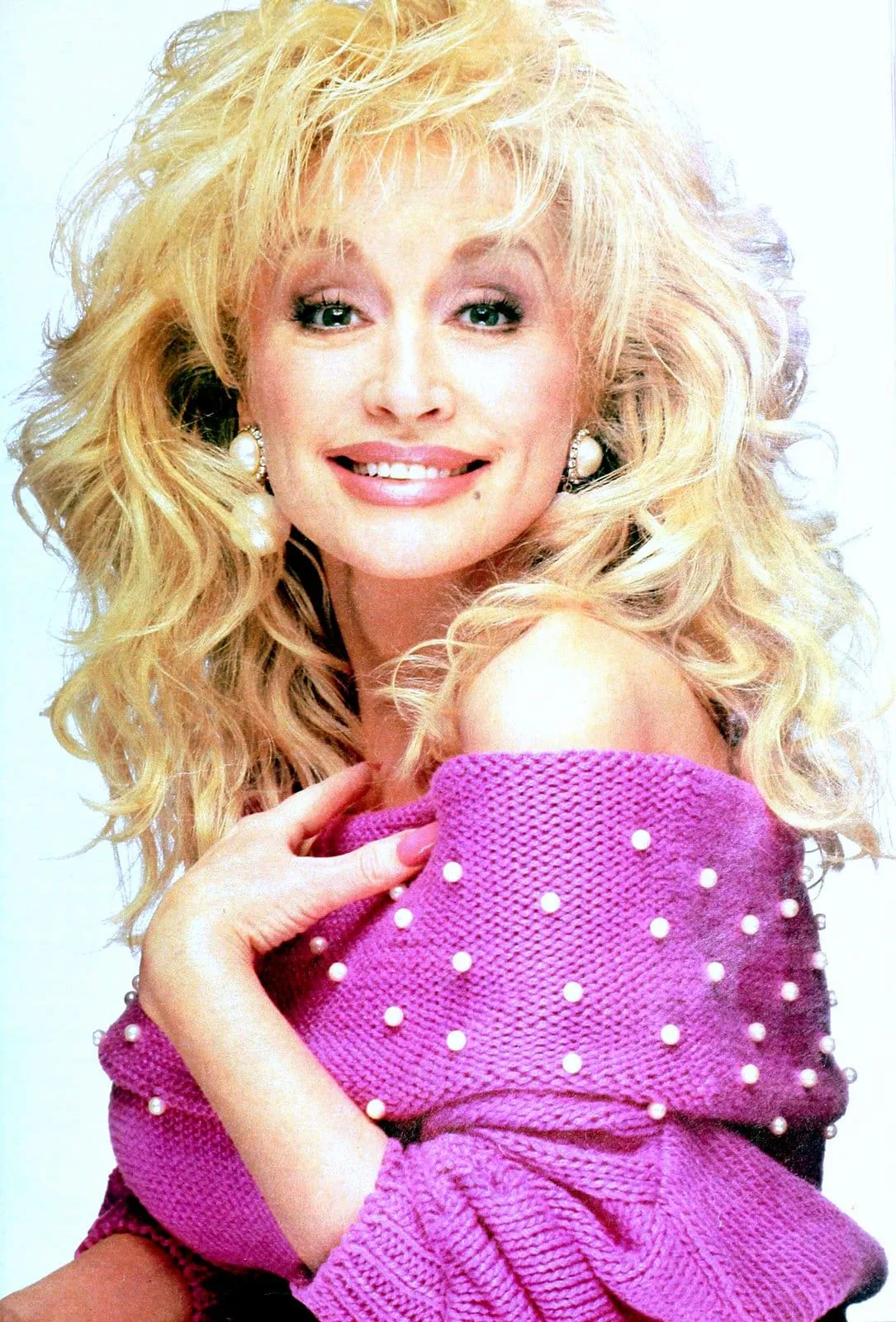 Photo: Dolly Parton, via clickamericana.com
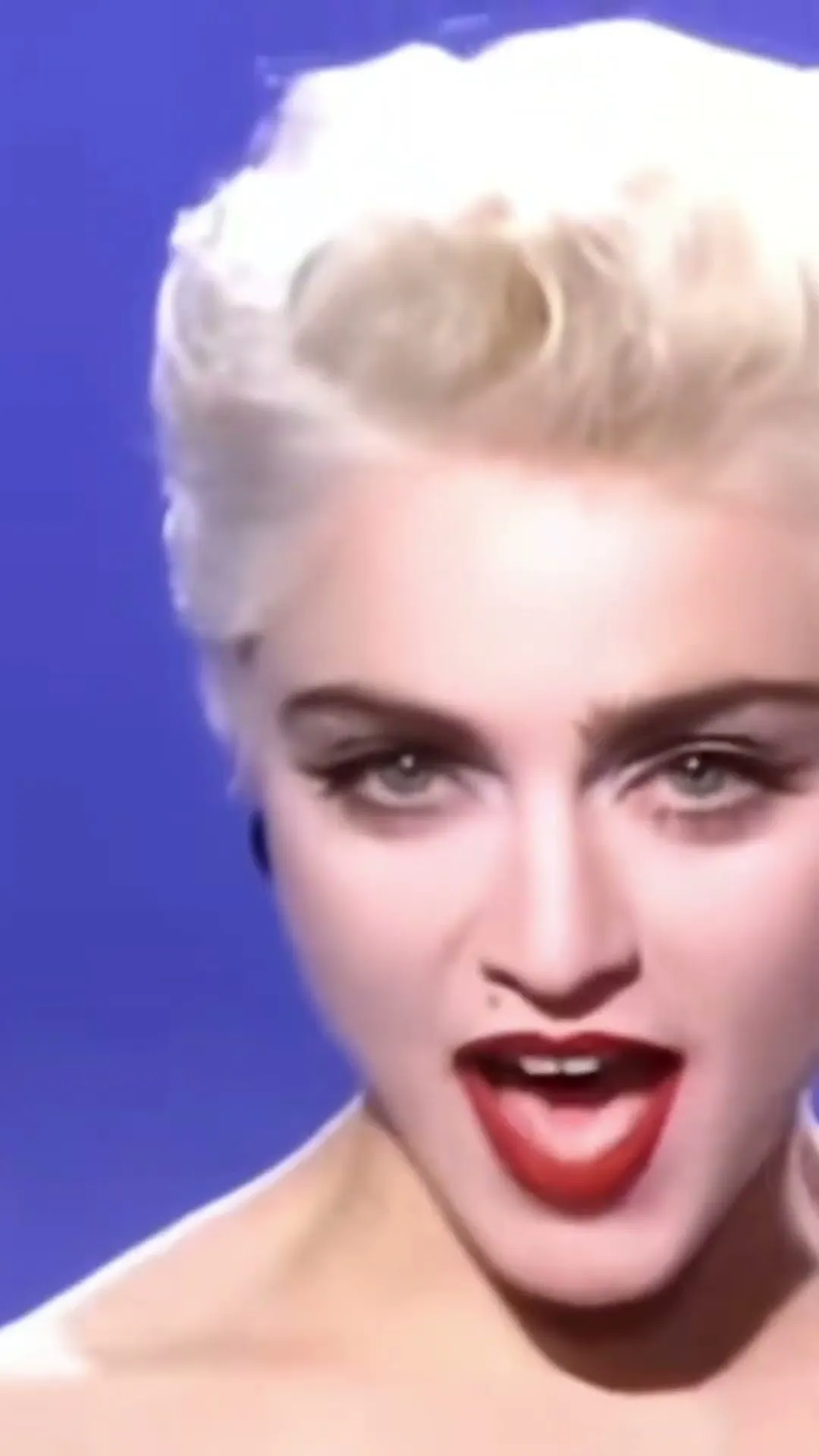 Photo: Madonna, via i.ytimg.com
Then there's Jay Leno, LeAnn Rimes, Jerry Seinfeld, Kareem Abdul-Jabbar, Billy Crystal, and — perhaps most memorably — Will Smith, whose 2021 picture book Just the Two of Us adapted his own hit song into illustrated form. The list is so long, so eclectic, and so relentlessly earnest that it starts to feel less like a publishing trend and more like a secret club with extremely low entry requirements.
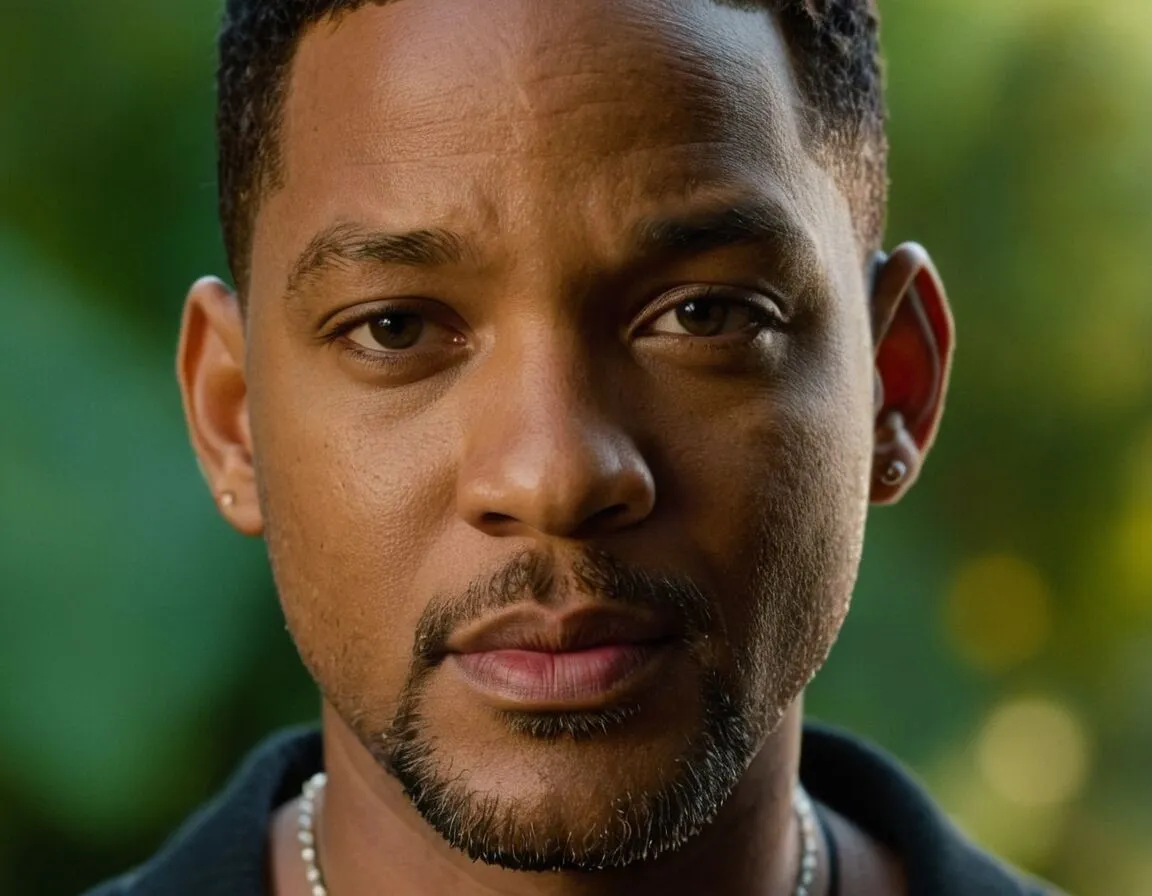 Photo: Will Smith, via shallalist.de
So What's Actually Going On Here?
Let's be real: the celebrity children's book sits at a very specific intersection of ambition and accessibility. Writing a serious novel requires years of discipline, a credible literary agent, and the willingness to have your prose compared unfavorably to actual writers. Writing a memoir requires either genuine introspection or a ghostwriter willing to do emotional heavy lifting on your behalf. But a children's book? A children's book is forty pages, thirty of which are illustrations, and the remaining ten can be written in couplets.
This is not to say the books are bad — some of them are genuinely lovely. It's to say that the barrier to entry is uniquely forgiving, and celebrities know it. The picture book aisle is the one corner of the literary world where being famous is, more or less, the entire pitch. Publishers don't need to be convinced of your platform. Your platform is the point.
But there's something more interesting happening beneath the surface. The celebrity children's book functions as what branding experts might call a softening mechanism. It is almost impossible to be perceived as threatening, controversial, or complicated while holding up a hardcover about a bunny who learns to share. The image is disarming by design. It signals warmth, family values, and a certain kind of generational legacy-mindedness that is very useful for a public figure navigating the choppy waters of modern celebrity.
The Legacy Play Nobody's Talking About
Here's the thing that rarely gets said out loud: celebrities are acutely aware that their cultural footprint is time-limited. Music fades. TV shows get cancelled. Box office records get broken. But a children's book — particularly one that gets into school libraries, onto classroom shelves, into the hands of kids who grow up and remember it fondly — that's a different kind of permanence.
Dolly Parton understood this instinctively, which is why her Imagination Library has become arguably a more enduring part of her legacy than half her discography (and that is saying something, given the discography). But even celebrities with more modest literary ambitions seem to sense that a book with their name on it occupies a different cultural register than an Instagram post or a brand deal. It's tangible. It sits on a shelf. It gets read at bedtime. It outlasts the news cycle.
There's also a generational handoff at play. Many of these celebrities are parents themselves — or have entered the phase of life where being beloved by children feels newly important. The children's book is a way of introducing yourself to the next generation on your own terms, before the algorithm or a resurfaced controversy does it for you.
The Ghostwriting Question Nobody Wants to Answer
Of course, we should address the elephant in the picture book aisle: how many of these celebrities actually wrote their books? The answer, in many cases, is: in collaboration with someone whose name appears in much smaller font, or not at all. Ghostwriting is standard practice across publishing, and there's no shame in it — but the 'celebrity author' framing does occasionally strain credulity when the named writer has, by all available evidence, never previously demonstrated interest in the craft of children's literature.
To be fair, some celebrities are genuinely hands-on. Dolly Parton has spoken extensively about her personal investment in literacy and storytelling. Billy Crystal's I Already Know I Love You was a deeply personal project about becoming a grandfather. These feel like books that came from a real place. Others feel more like the publishing equivalent of a celebrity fragrance — slap the name on it, make it smell nice, and move units.
What It Tells Us About Celebrity Branding in 2025
In the current era, where every public figure is essentially a walking brand portfolio, the children's book has become one of the cleanest signals a celebrity can send. It says: I am not just a performer. I have values. I care about children. I am a person of substance and warmth. It is, in the language of modern PR, a brand extension with almost no downside risk.
Unless, of course, the book is bad enough to go viral for the wrong reasons — which has also happened, and which is its own delightful subgenre of celebrity news.
The real question isn't whether the trend will continue. It absolutely will. The question is whether, somewhere in the pile of well-intentioned rhymes about kindness and courage, there are books that actually matter to the kids reading them — and the answer, somewhat surprisingly, is yes. Not all of them. Maybe not even most of them. But enough.
And honestly? If a child somewhere picked up a picture book because their favorite celebrity's name was on the cover and ended up loving reading because of it, then the whole ridiculous enterprise has earned its place on the shelf.
Just don't expect us to pretend the Wikipedia 'Author' credit wasn't at least part of the appeal.