The Celebrity Courtroom Era Is Here — And It's Replacing Reality TV as America's Guiltiest Pleasure
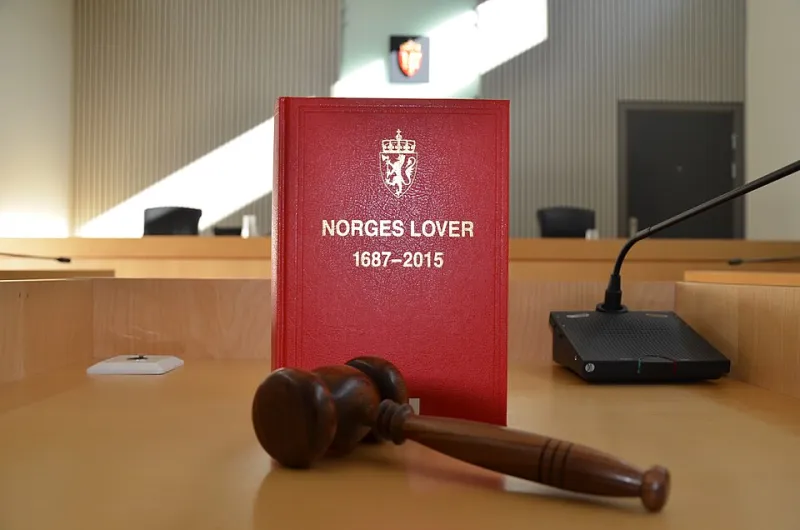
Photo: Glennstangeland, CC BY-SA 4.0, via Wikimedia Commons
Welcome to Court TV's Unexpected Golden Age
Remember when the most dramatic thing on television was watching someone get voted off an island? Those days feel quaint now that we've discovered the unparalleled entertainment value of watching A-listers squirm under cross-examination. The celebrity courtroom has become America's newest reality show obsession, complete with memes, recap podcasts, and fan theories that would make any reality TV producer weep with envy.
 Photo: Court TV, via s26162.pcdn.co
The transformation happened almost overnight. One day we were debating whether reality TV was scripted, and the next we were glued to livestreams of actual depositions, watching celebrities navigate the one arena where their usual media training becomes completely useless.
The Depp-Heard Effect
The Johnny Depp vs. Amber Heard trial didn't just set legal precedents — it rewrote the rules of celebrity consumption entirely. For six weeks, millions of Americans tuned in daily to watch two movie stars destroy each other's reputations in real-time, with no script, no retakes, and no publicist damage control.
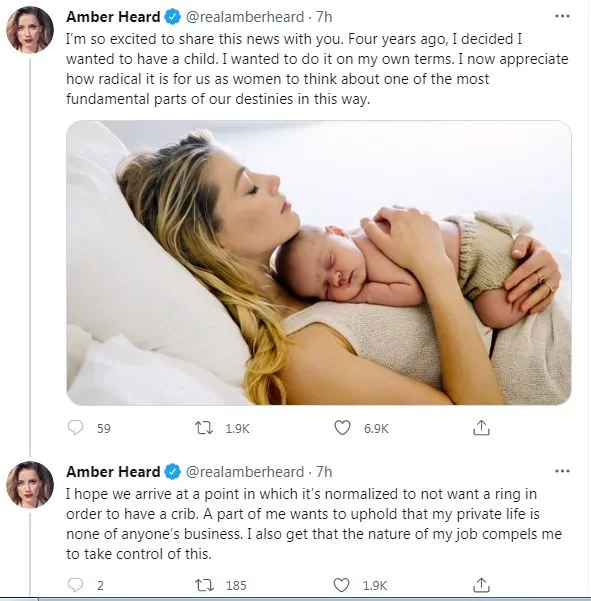 Photo: Amber Heard, via aniportalimages.s3.amazonaws.com
 Photo: Johnny Depp, via i.pinimg.com
The trial had everything: shocking revelations, quotable one-liners ("mega pint" anyone?), dramatic testimony, and the kind of unfiltered celebrity behavior that no amount of money could manufacture. It was appointment television disguised as legal proceedings, and the audience was absolutely here for it.
Social media exploded with trial content. TikTok lawyers became overnight celebrities by breaking down testimony. Memes based on courtroom exchanges racked up millions of views. Fan accounts dedicated to analyzing body language and facial expressions sprouted everywhere. The trial wasn't just being watched — it was being consumed, dissected, and transformed into content at a pace that would make reality TV producers dizzy.
Why Courts Beat Studios
The appeal isn't hard to understand. Reality TV, for all its drama, always carries the suspicion of being manufactured. Producers craft storylines, editors manipulate narratives, and cast members perform for cameras. But in a courtroom, celebrities face something they can't control: the truth, or at least the legal system's pursuit of it.
Under oath, the carefully constructed personas that celebrities spend millions maintaining start to crack. Media training becomes irrelevant when you're facing perjury charges for lying. Publicists can't spin testimony that's being livestreamed to millions. The courtroom strips away every layer of celebrity protection, leaving just the person underneath.
It's the ultimate behind-the-scenes content, except it's happening in front of the cameras. We get to see how celebrities really talk when they can't rehearse their answers. We witness their unguarded reactions when they're confronted with their own text messages or emails. It's more intimate and revealing than any interview or documentary could ever be.
The New Celebrity Vulnerability
This courtroom obsession reflects a broader shift in how Americans relate to celebrity culture. After decades of carefully managed celebrity personas, audiences are craving authenticity — even if it comes in the form of legal drama.
The traditional celebrity interview has become predictable: the same talking points, the same rehearsed anecdotes, the same careful non-answers. But put that same celebrity on a witness stand, and suddenly they're forced to be human in ways their publicists would never allow.
We've seen A-listers cry real tears, lose their tempers, contradict themselves, and reveal embarrassing personal details. It's vulnerability porn for the social media age, where the most intimate moments become the most shareable content.
The Streaming Courtroom Economy
The success of celebrity trials has created an entire ecosystem of content creators, legal experts, and commentary channels. Court TV is experiencing a renaissance. Legal YouTubers have found their niche. Even mainstream entertainment outlets now cover trials with the same intensity they once reserved for award shows.
The audience engagement is unprecedented. Live chat functions during trial streams create real-time commentary that rivals sports broadcasts. Betting sites now take odds on trial outcomes. Fashion accounts analyze courtroom outfits with the same scrutiny once reserved for red carpet looks.
This isn't passive consumption — it's active participation in a shared cultural moment. The trials become communal experiences where strangers bond over shocking testimony and debate evidence like they're discussing the latest Netflix series.
The Dark Side of Justice as Entertainment
But there's something deeply unsettling about turning legal proceedings into entertainment. When real people's lives and reputations are at stake, treating trials like reality TV raises serious ethical questions about our relationship with celebrity suffering.
The memeification of serious legal issues trivializes genuine harm and trauma. When domestic violence allegations become TikTok content, or when financial disputes turn into streaming entertainment, the line between justice and spectacle disappears entirely.
There's also the question of how this attention affects the legal process itself. When judges, lawyers, and witnesses know millions are watching, does it change how they behave? Are we witnessing justice, or performance art disguised as legal proceedings?
The Future of Famous Justice
As more celebrity legal battles play out in public, the courtroom entertainment complex will only grow. Streaming platforms are already developing true-crime content around celebrity trials. Legal experts are building personal brands around their trial commentary. The infrastructure for treating justice as entertainment is becoming permanent.
This shift says something profound about our cultural moment. In an era where everything feels scripted and artificial, we're so hungry for authentic celebrity moments that we'll find them in the most unlikely places — even if those places are supposed to be about justice, not entertainment.
The celebrity courtroom era isn't going anywhere, because it gives us something reality TV never could: the guarantee that what we're watching is real, even when we're not sure we should be watching it at all.