The 'Ride or Die' Fan Who Became the Villain: Inside the Dark Side of Celebrity Stan Culture
The 'Ride or Die' Fan Who Became the Villain: Inside the Dark Side of Celebrity Stan Culture
Remember when being a fan just meant buying the album and maybe camping out for concert tickets? Those days are dead and buried, killed by stan culture — a phenomenon that started as digital devotion but has evolved into something that would make even the most attention-hungry celebrity think twice about courting superfandom.
What began as passionate fan communities organizing streaming parties and trending hashtags has curdled into something darker: doxxing campaigns, harassment brigades, and fans who've appointed themselves as unpaid security detail for celebrities who never asked for their protection. The most "devoted" fanbases have become the most dangerous PR liabilities, and honestly? It's getting scary out there.
When Love Becomes War
The transformation from fan to stan isn't just semantic — it's psychological. Fans enjoy the music, buy the merch, and go to concerts. Stans make their celebrity's success a personal mission, treating any criticism as a direct attack on their own identity. They don't just support their fave; they wage war on anyone who doesn't.
Take the Barbz (Nicki Minaj fans) versus literally anyone who dares suggest Nicki isn't the greatest rapper alive. Or the BeyHive's legendary ability to descend like locusts on anyone who breathes wrong in Beyoncé's direction. These aren't isolated incidents — they're coordinated campaigns that can destroy lives, careers, and mental health.
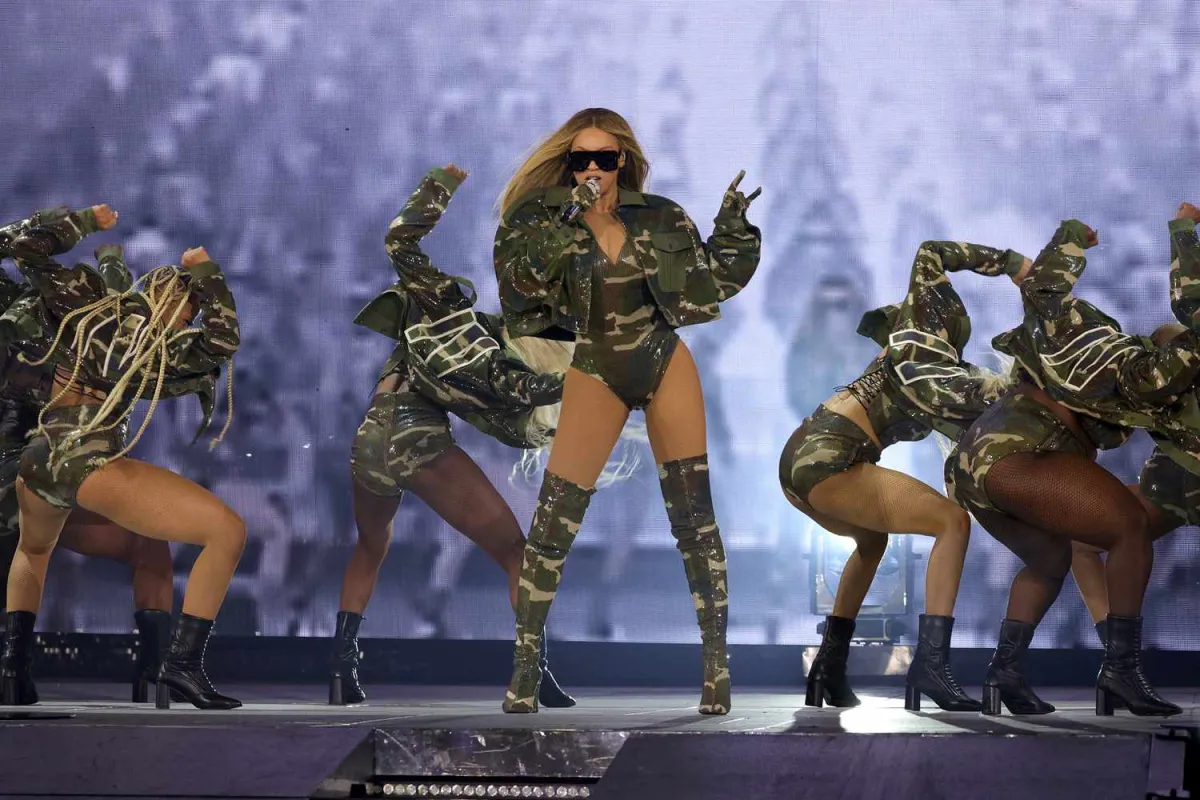 Photo: Beyoncé, via people.com
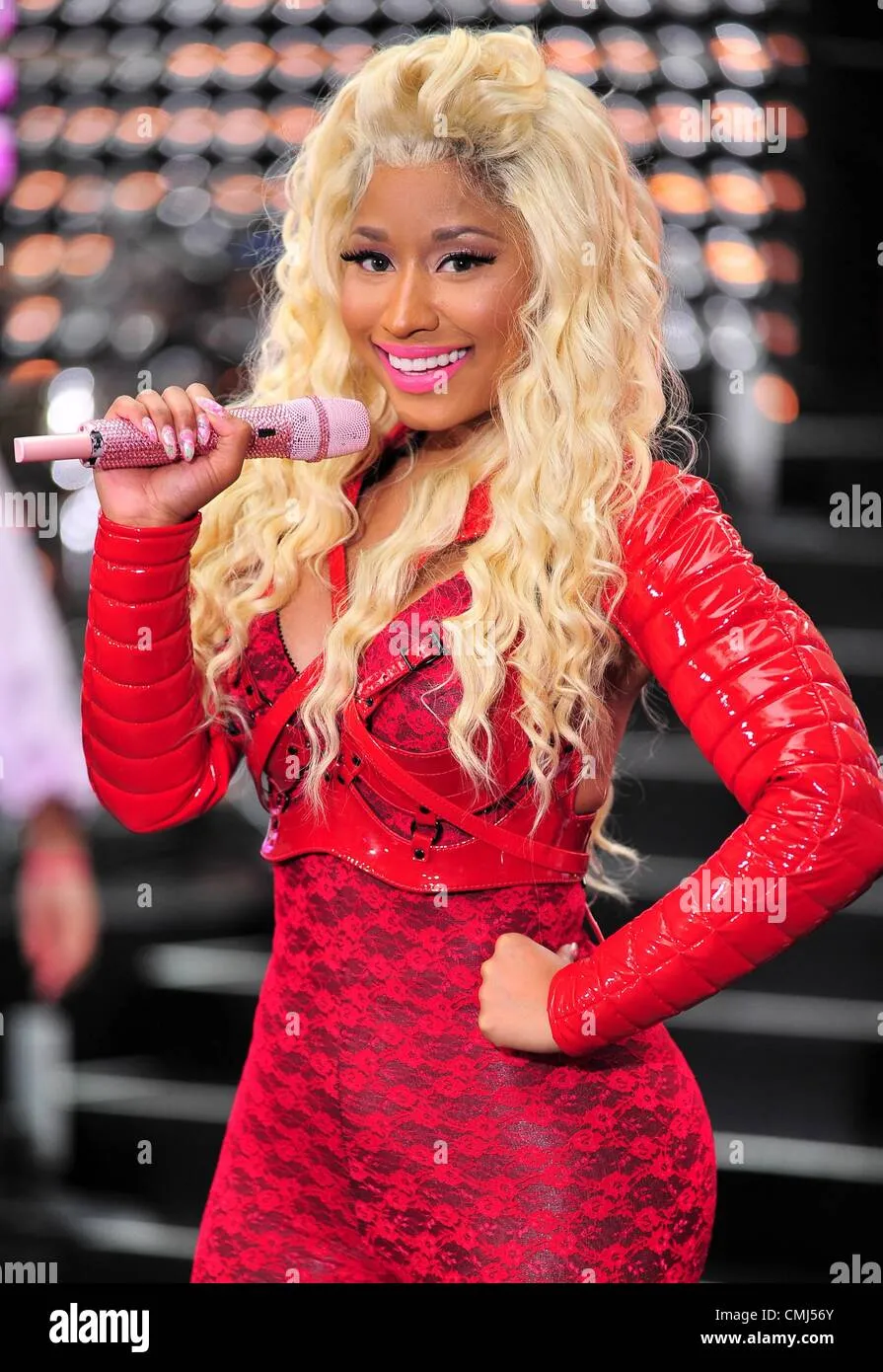 Photo: Nicki Minaj, via www.alamy.com
The Doxxing Epidemic
Here's where stan culture gets genuinely terrifying: when fans start publishing critics' personal information online. Music journalists, entertainment reporters, and even random Twitter users who express mild criticism have found their home addresses, phone numbers, and family information spread across social media by "fans" who've decided they're enemies of the state.
Pitchfork writers have been doxxed for giving albums less than perfect scores. Entertainment Tonight hosts have received death threats for reporting on celebrity drama. The line between passionate fandom and criminal harassment has been obliterated, and the celebrities at the center often stay suspiciously silent about their fans' behavior.
The Parasocial Pandemic
Social media has created an illusion of intimacy between celebrities and fans that's fundamentally unhealthy. When Taylor Swift posts about her cat, stans don't just think it's cute — they think she's personally communicating with them. When she doesn't acknowledge their fan art, they take it as personal rejection. When someone criticizes her music, they react like someone insulted their actual sister.
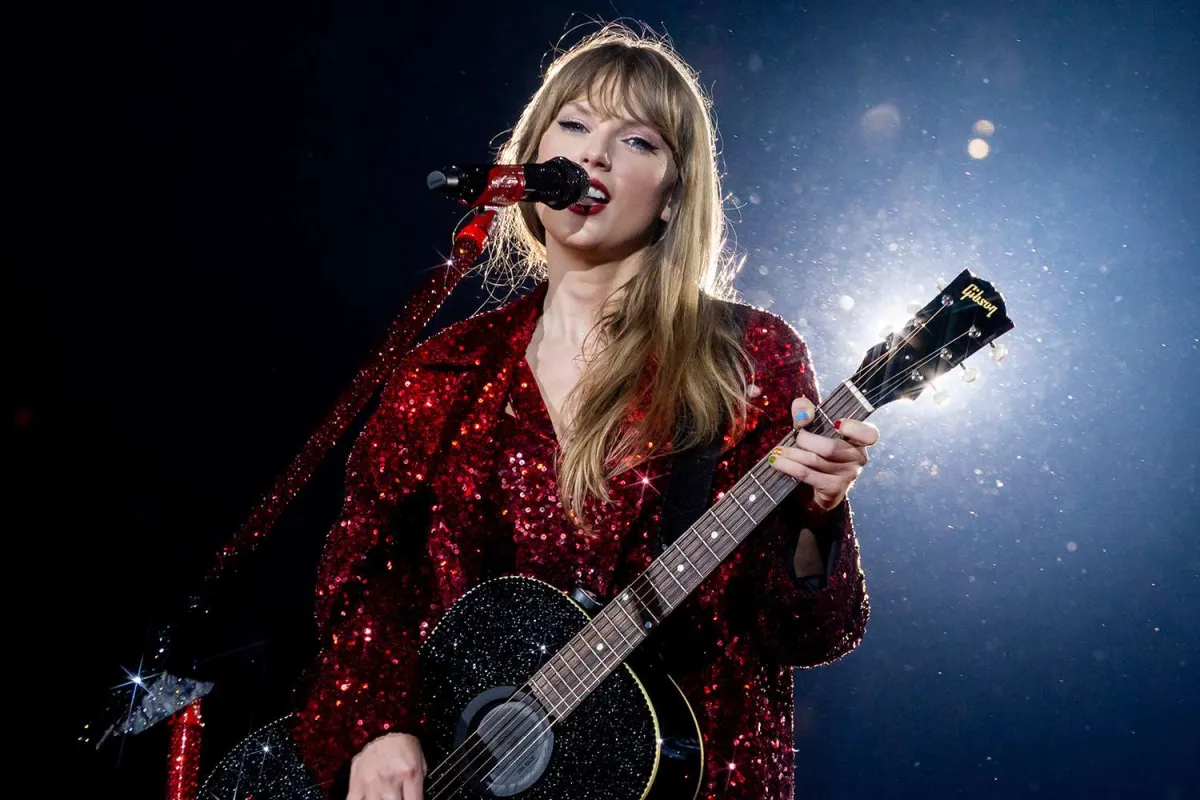 Photo: Taylor Swift, via people.com
This parasocial relationship breeds entitlement. Stans believe they know what's "really" best for their celebrity, often better than the celebrity themselves. They'll attack collaborators, romantic partners, and career choices that don't align with their vision of their fave's life. It's not love — it's ownership.
The Algorithm Amplifies Everything
Social media platforms have turned stan culture into a numbers game where engagement equals influence, and negative engagement counts just as much as positive. The most unhinged fan tweets get the most retweets. The most dramatic stan wars trend the highest. The platforms profit from the chaos while celebrities reap the benefits of massive online engagement — until it goes too far.
The result is a feedback loop where the most extreme behavior gets rewarded with attention, pushing fan communities toward increasingly toxic tactics. Being the most dedicated stan means being the most willing to cross lines, and the lines keep moving.
When Celebrities Enable the Chaos
Here's the uncomfortable truth: many celebrities quietly encourage their most toxic fans while publicly maintaining plausible deniability. They'll retweet stan accounts, acknowledge fan projects, and subtly signal approval for their defenders — right up until the harassment campaigns make headlines.
Some stars have mastered the art of siccing their fans on critics without explicitly calling for attacks. A well-timed subtweet, a strategic like on a fan's defensive post, or a carefully worded Instagram story can unleash thousands of angry stans while leaving the celebrity's hands technically clean.
The Journalist Exodus
The impact on entertainment journalism has been devastating. Writers are leaving the industry rather than deal with constant harassment. Publications are avoiding certain celebrity coverage to protect their staff. The result is a media landscape where celebrities face less scrutiny and criticism — which might be exactly the point.
When fans make it personally dangerous to write critically about their fave, they're not protecting their celebrity — they're creating a bubble of false praise that serves no one. Art improves through criticism, careers benefit from honest feedback, and audiences deserve authentic journalism, not fear-based coverage.
The Mental Health Cost
The irony is that toxic stan culture often harms the very celebrities it claims to protect. Stars report feeling trapped by their own fandoms, afraid to make authentic choices or express genuine opinions that might disappoint their stans. The pressure to maintain the perfect image their fans have constructed can be suffocating.
Meanwhile, the fans themselves often struggle with anxiety, depression, and real-life social isolation as they pour all their emotional energy into defending someone who doesn't know they exist.
Fighting Back (Finally)
Some celebrities are finally pushing back against their toxic fans. Chappell Roan made headlines for directly calling out inappropriate fan behavior. Other stars have begun explicitly condemning harassment done "in their name." But these interventions remain rare, and the fans who most need to hear these messages often dismiss them as fake or coerced.
The Path Forward
Stan culture isn't going anywhere, but it doesn't have to be this toxic. The solution requires accountability from all sides: platforms need to stop amplifying harassment, celebrities need to explicitly condemn toxic behavior from their fans, and fan communities need to police themselves.
Most importantly, fans need to remember that loving someone doesn't mean attacking everyone who doesn't love them the same way. Your fave doesn't need you to destroy critics, harass journalists, or doxx strangers on the internet.
Real support means buying the music, attending the shows, and creating positive content — not turning fandom into warfare where everyone loses except the algorithms feeding off the chaos.