The Guest Appearance That Saved (or Tanked) Everything: How One Cameo Can Completely Rewrite a Celebrity's Narrative
The Guest Appearance That Saved (or Tanked) Everything: How One Cameo Can Completely Rewrite a Celebrity's Narrative
In the high-stakes game of celebrity image management, sometimes salvation comes in the most unexpected package: a five-minute podcast appearance, a surprise SNL sketch, or a single scene in someone else's movie. The right guest spot at the right moment can transform a celebrity from punchline to beloved, from canceled to comeback kid, from "who's that again?" to cultural moment.
But here's the flip side — when a cameo goes wrong, it can undo years of careful reputation building faster than you can say "Saturday Night Live."
The Redemption Cameo
Some celebrities have mastered the art of the strategic guest appearance as rehabilitation tool. Take Justin Timberlake's post-Super Bowl halftime controversy appearances on late-night shows. After years of letting Janet Jackson take the heat alone for "Nipplegate," Timberlake finally started addressing the situation directly in carefully chosen interview settings — not through his own PR machine, but as a "casual" guest on shows where he could appear humble and reflective.
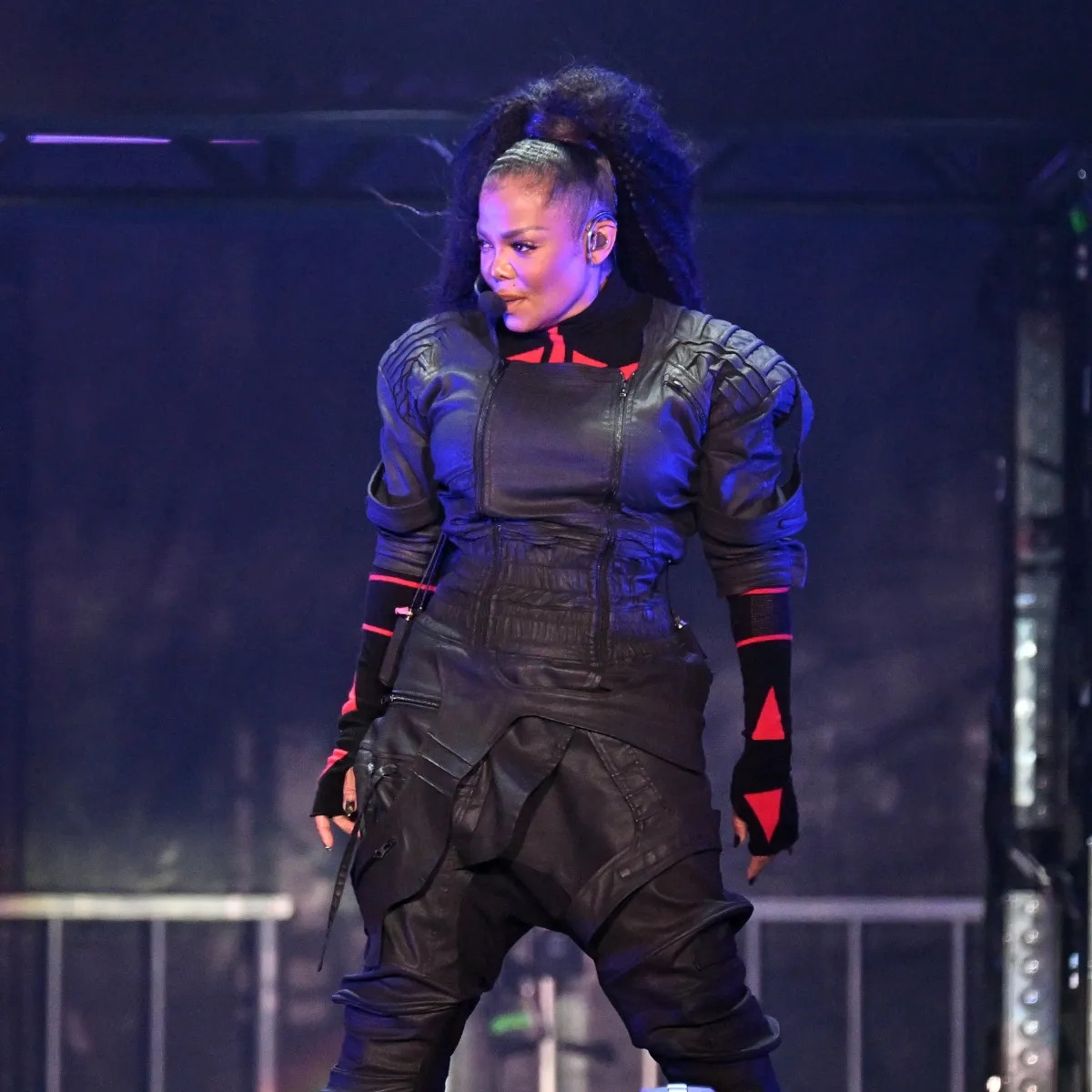 Photo: Janet Jackson, via i.abcnewsfe.com
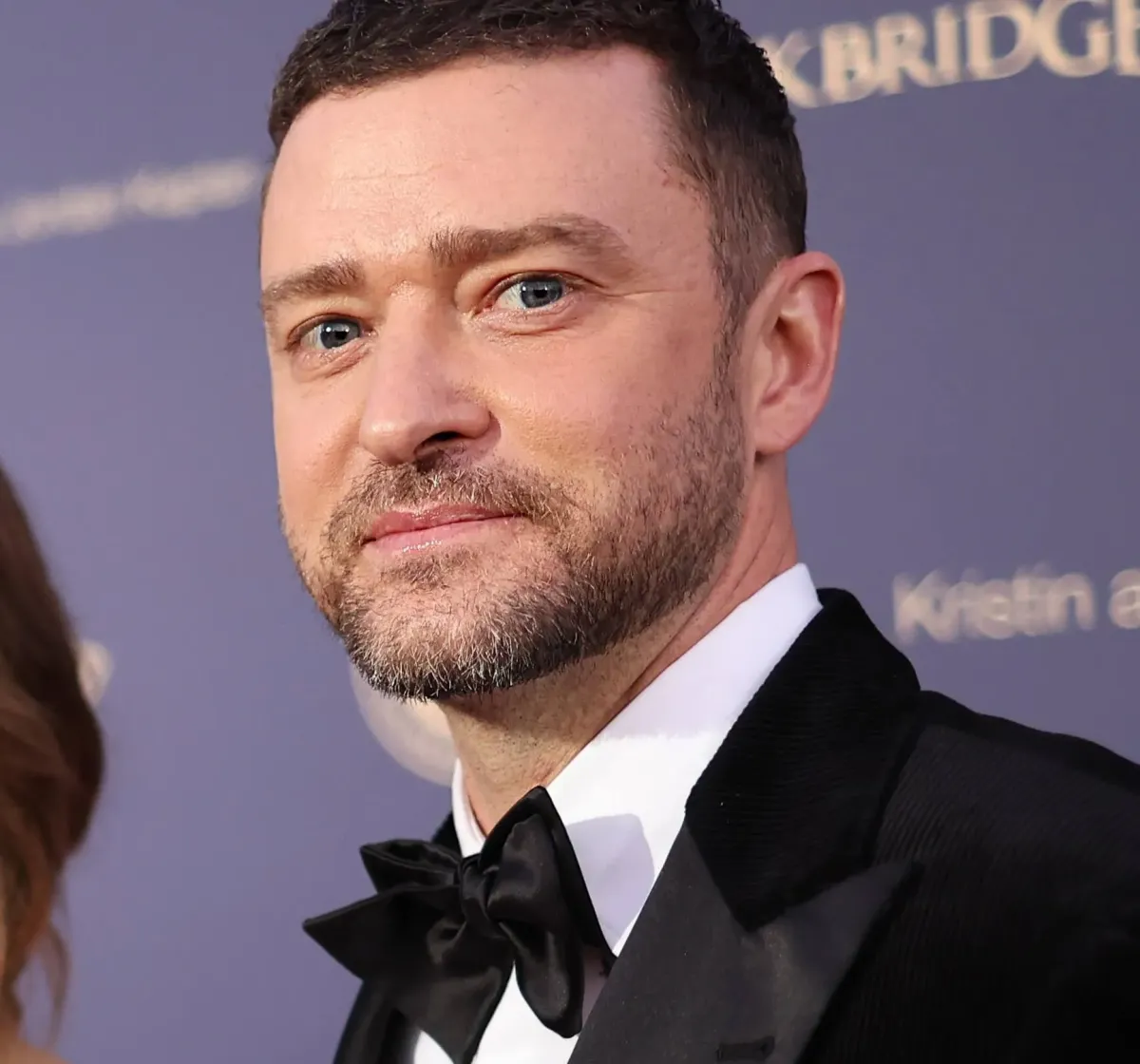 Photo: Justin Timberlake, via www.cheatsheet.com
The genius of the redemption cameo is its apparent spontaneity. When a celebrity shows up unexpectedly on a popular podcast or makes a surprise appearance on a talk show, it feels organic rather than calculated. The audience's guard is down, and suddenly the star who's been getting dragged online for months seems relatable, funny, or genuinely sorry.
The Chemistry Test
But here's where the strategy gets dangerous: chemistry can't be manufactured. When celebrities try to force their way into viral moments or insert themselves into cultural conversations where they don't belong, the results are often catastrophic.
Remember when various celebrities tried to recreate the magic of unexpected podcast appearances by booking themselves on every show possible? The desperation was palpable, and audiences could smell the thirst through their headphones. What works for one star in one moment doesn't translate into a reproducible formula.
The SNL Litmus Test
Saturday Night Live has become the ultimate testing ground for celebrity rehabilitation. The show's format — live, unpredictable, requiring genuine humor and self-deprecation — separates the naturally charismatic from the carefully managed.
Elon Musk's 2021 hosting gig was supposed to be his "I'm actually funny and relatable" moment. Instead, it highlighted his awkwardness and gave the internet weeks of meme material about his stilted delivery and uncomfortable energy. The appearance that was meant to humanize him only emphasized how alien he seemed in unscripted moments.
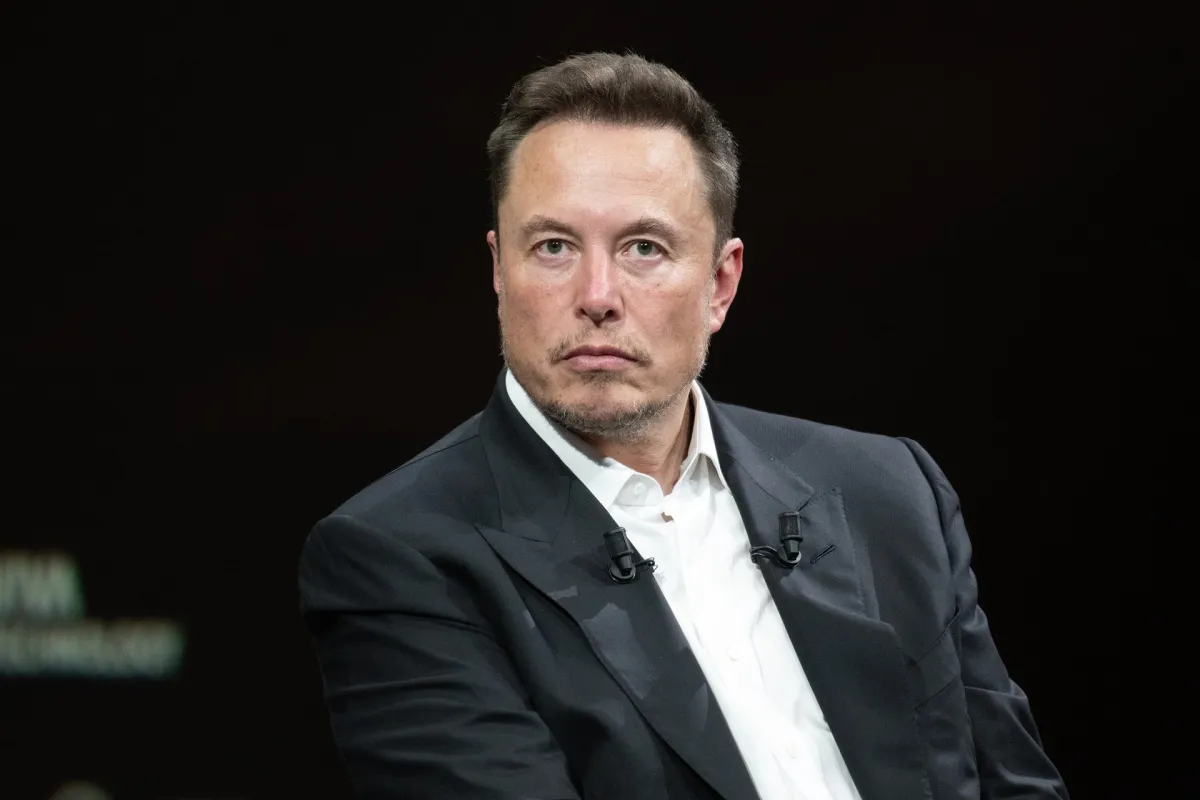 Photo: Elon Musk, via www.presse-citron.net
Conversely, when celebrities nail their SNL appearances, the impact is immediate and lasting. The key is genuine self-awareness and the ability to laugh at yourself — qualities that can't be coached or scripted.
The Podcast Pivot
The rise of podcast culture has created new opportunities for celebrity image rehabilitation. Unlike traditional media appearances with their time constraints and formal structures, podcasts allow for longer, more intimate conversations that can reveal different sides of public figures.
Some celebrities have used strategic podcast appearances to address controversies head-on, share personal stories that reframe their public image, or simply remind people why they became famous in the first place. The casual, conversational format can make even the most polished celebrity seem accessible and authentic.
But the same intimacy that makes podcasts powerful for rehabilitation can also expose celebrities who aren't prepared for the format. Without the safety net of scripted questions and edited responses, some stars reveal more than they intended — and not always in a flattering way.
The Blockbuster Cameo
Then there's the strategic movie cameo — a single scene that reminds audiences why they used to love a particular celebrity. These appearances work best when they play to the star's strengths while acknowledging their current cultural position.
The most effective blockbuster cameos feel like inside jokes between the celebrity and the audience. They work because they demonstrate self-awareness about the star's place in pop culture while delivering the charisma that made them famous in the first place.
The Timing Factor
What separates successful comeback cameos from desperate attention grabs is timing. The best strategic appearances happen when the cultural conversation has moved on from whatever scandal or controversy damaged the celebrity's reputation, but before the public has completely forgotten about them.
Too soon, and the appearance feels like damage control. Too late, and it seems like a has-been trying to recapture past glory. The sweet spot is that moment when people are ready to be reminded why they used to like someone.
The Authenticity Trap
Here's the paradox of the strategic cameo: it only works if it doesn't feel strategic. Audiences have become incredibly sophisticated about celebrity PR tactics, and they can spot a calculated redemption tour from miles away.
The celebrities who successfully use guest appearances to rehabilitate their images are usually the ones who genuinely seem to be having fun, who display real chemistry with their hosts or co-stars, and who don't appear to be reading from a crisis management playbook.
When It All Goes Wrong
Of course, not every strategic appearance succeeds. Some celebrities misread the cultural moment, choose the wrong venues, or simply lack the charisma to pull off the comeback cameo.
The failed guest appearance is particularly brutal because it's so public. Unlike a bad interview that can be buried or a poor performance that can be explained away, a terrible cameo lives forever in the cultural memory, often becoming more famous than whatever the celebrity was trying to promote or rehabilitate.
The New Rules of Engagement
The success of strategic guest appearances has changed how celebrities approach public relations. Instead of relying solely on traditional media and their own platforms, smart stars are always looking for the right moment to pop up in someone else's content.
This has created a new ecosystem where celebrities, podcast hosts, show producers, and content creators are constantly calculating the mutual benefits of surprise appearances and strategic collaborations.
The Lasting Impact
When done right, a single guest appearance can fundamentally alter how the public perceives a celebrity. It can transform them from tabloid punchline to cultural commentator, from canceled star to comeback story, from forgotten figure to renewed relevance.
But the power of the strategic cameo also reveals something deeper about celebrity culture: in an age of careful image management and controlled narratives, audiences are starving for moments that feel genuine and spontaneous, even when they're anything but.
The celebrities who master this balance — between strategy and authenticity, calculation and spontaneity — are the ones who survive and thrive in an increasingly skeptical media landscape.