Table for Ten, Cause Optional: The Celebrity Charity Gala Racket Nobody Wants to Talk About
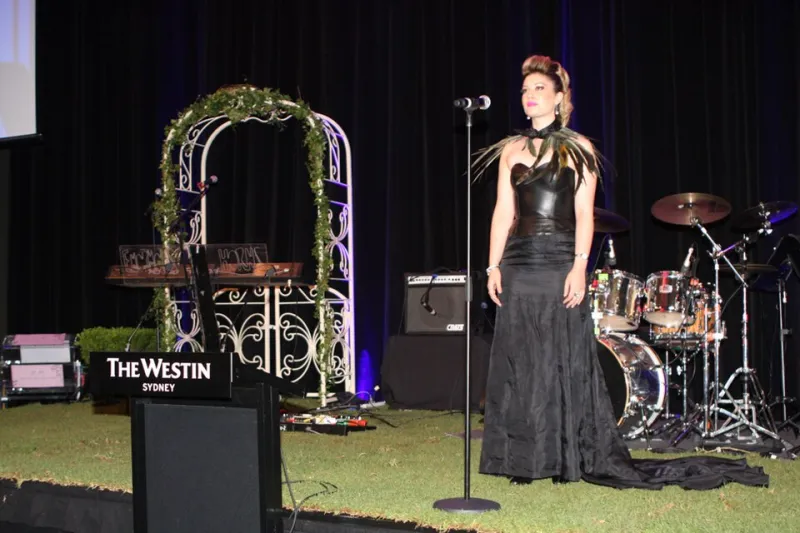
Photo: Eva Rinaldi, CC BY-SA 2.0, via Wikimedia Commons
Let's set the scene. A grand ballroom in Midtown Manhattan or Beverly Hills — somewhere with good lighting and better parking for Escalades. The floral arrangements alone would fund a small community garden for a decade. The guest list reads like a call sheet for the most expensive ensemble cast never assembled on screen. And at the center of it all, a celebrity in a gown that costs more than a semester of college tuition is accepting a humanitarian award while a string quartet plays something tastefully unobtrusive.
Somewhere across town, the actual charity — the one whose name appears on the embossed invitations and the step-and-repeat banner — is waiting to find out how much of the $1,500-per-plate dinner they'll actually receive once the venue, the catering, the florals, the lighting rig, the celebrity appearance fee, the event PR firm, and the after-party are all accounted for.
Spoiler: it's usually less than you'd hope.
Welcome to the celebrity charity gala industrial complex — a multibillion-dollar ecosystem where philanthropy and networking have merged into something so thoroughly intertwined that it's genuinely difficult to tell where the generosity ends and the business development begins.
The Gala Math Nobody Puts on the Brochure
Here's a number worth sitting with: according to investigative reporting by outlets including The Guardian and ProPublica, many high-profile charity galas — particularly those associated with celebrity foundations — operate with overhead costs that consume anywhere from 40 to 80 percent of gross revenue before a dollar reaches the stated cause.
The breakdown is rarely publicized, and for obvious reasons. When attendees write a check for $25,000 for a table, they're not necessarily asking for an itemized receipt. They're buying access — to the room, to the people in it, to the photograph with the celebrity host that will live on their company's LinkedIn page for the next three years.
One nonprofit consultant who works with celebrity-affiliated foundations told CeliBuzz, speaking on condition of anonymity: "The gala is not primarily a fundraising vehicle. It's a relationship-building vehicle that happens to raise some money. The cause is real, but it's also the framework that makes the networking feel virtuous. Everyone understands this. Nobody says it."
The Tax Deduction as Punchline
For the celebrities at the top of the gala food chain — the ones headlining, hosting, and being honored — the financial architecture gets even more interesting. Celebrity-founded foundations allow their principals to receive a tax deduction for charitable contributions while retaining significant influence over how those funds are deployed, including for events, staff, travel, and promotional activities that also, conveniently, serve the celebrity's public image.
This is entirely legal. It's also the kind of arrangement that, when explained plainly, tends to make regular people feel a specific type of way.
The IRS requires foundations to distribute at least five percent of their assets annually to charitable purposes. Five percent. The remaining 95 percent can sit in investment accounts, generating returns that further grow the foundation's — and by extension, the celebrity's — financial position. The math is not complicated. The optics are simply managed very carefully.
The Guest List Is the Product
If you want to understand what a celebrity charity gala is actually selling, look at the sponsorship tiers. The difference between a $10,000 table and a $100,000 presenting sponsorship isn't the number of seats or the quality of the food. It's proximity. It's the guaranteed photo with the celebrity host. It's the private pre-dinner reception with the board members. It's the introduction to the hedge fund manager at table seven who's been impossible to reach through normal channels for two years.
The charity gala is, at its most functional, a very expensive, very glamorous, entirely legal form of pay-to-play networking. The cause provides the emotional legitimacy. The celebrities provide the aspirational draw. The corporate sponsors provide the money. And the actual beneficiaries — the people the charity ostensibly serves — provide the moral cover that makes the whole operation feel different from a very fancy business dinner.
The Celebrities Who Are Actually Doing It Right (And Why It's Harder Than It Looks)
To be fair — and CeliBuzz is nothing if not fair — there are celebrities who have structured their philanthropic efforts with genuine rigor and transparency. MacKenzie Scott's approach to charitable giving, which involves massive direct grants with minimal overhead and no gala circuit whatsoever, has been widely praised by nonprofit accountability organizations precisely because it inverts the typical celebrity philanthropy model.
Dolly Parton's Imagination Library, which mails free books to children from birth through kindergarten, has distributed over 200 million books globally and consistently receives high marks from charity watchdog organizations for its efficiency and impact. Parton has managed to be one of the most beloved philanthropists in America without ever appearing on a step-and-repeat in a designer gown to accept an award for it.
The difference, insiders note, is intention — and whether the philanthropy is structured around impact or around image. Both exist. They are not the same thing, even when they share a press release.
The Accountability Gap
Charity watchdog organizations like Charity Navigator and GiveWell have made it easier than ever for donors to assess how efficiently a nonprofit uses its funds. But celebrity-affiliated foundations often operate in a gray zone that's harder to evaluate — particularly when the foundation's primary output is events, awareness campaigns, and "advocacy" rather than direct service delivery.
"Awareness" is the great escape hatch of celebrity philanthropy. It's genuinely difficult to measure, impossible to disprove, and conveniently allows a foundation to claim impact without producing quantifiable outcomes. A gala that "raised awareness" about a cause among 400 people who already knew about it is, technically, a success. Whether it's the most effective use of $2 million in event spending is a different question — one that rarely gets asked in the room.
What to Watch For
Gala season runs from September through December, conveniently overlapping with awards season and the period when studios and record labels are angling for end-of-year buzz. Watch for which celebrities are suddenly very publicly philanthropic in October and November, and then cross-reference their release schedules. The correlation is, shall we say, notable.
Also worth watching: which foundations publish detailed annual reports with third-party audits, and which ones release glossy PDFs full of photographs and vague impact language. One of these is accountability. The other is content.
The flowers were beautiful, the cause was worthy, the check cleared — and everyone went home having done, depending on how you measure it, either a great deal of good or a very expensive amount of nothing.