The Good Deed Glow-Up: Inside the Very Convenient Timing of Celebrity Philanthropy Season

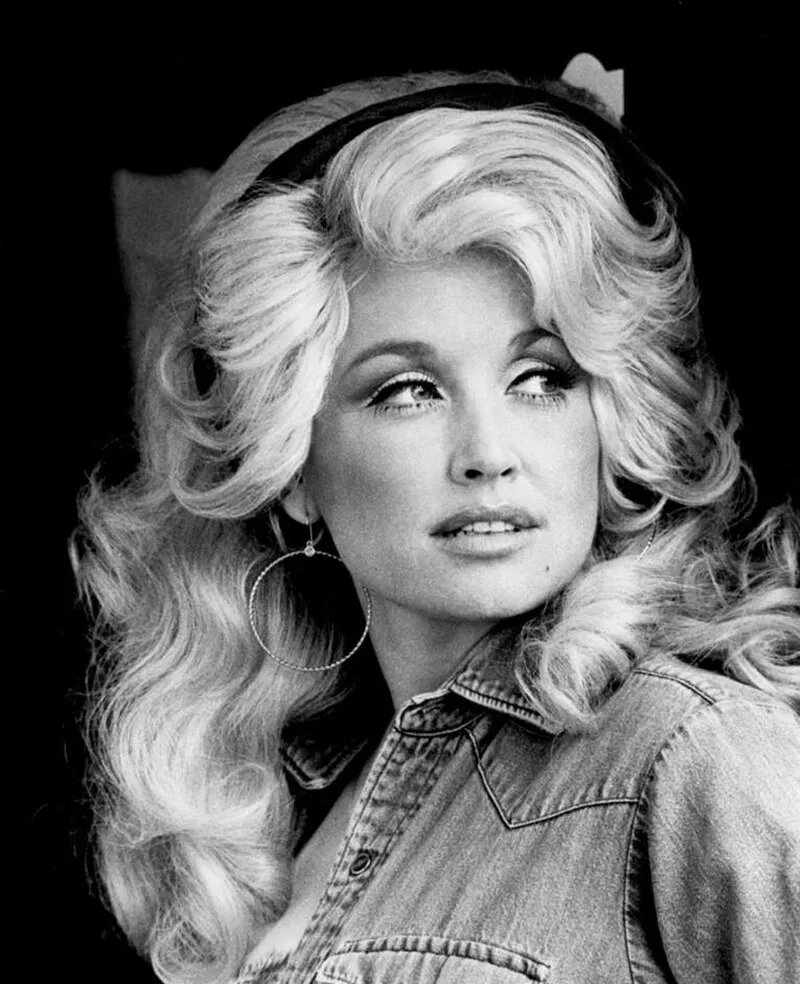
Photo of Angelina Jolie, via Wikimedia Commons
Here's a scene you've watched play out more times than you can count. A celebrity has a bad month. Maybe there's a scandal. Maybe a lawsuit. Maybe a viral moment that didn't go the way their team hoped, or a set of headlines that are doing real damage to the carefully constructed image they've spent years building. The discourse is loud. The think pieces are circulating. The fan base is wavering.
And then — seemingly out of nowhere — the celebrity shows up at a children's hospital. Or a food bank. Or a community rebuilding effort in a city that was recently devastated by a natural disaster. The photos are warm. The lighting is, improbably, good. The celebrity looks genuinely moved. And somehow, a photographer from People was already there.
This is Celebrity Philanthropy Season. And it runs year-round.
The Playbook Has Always Existed
Charitable work and image management have been intertwined in Hollywood since the studio system era, when PR teams first discovered that attaching a star to a cause could neutralize almost any amount of bad press. The mechanics haven't changed dramatically — what has changed is the speed, the visibility, and the sophistication with which the modern celebrity philanthropic pivot gets executed.
The template goes something like this: controversy breaks, negative coverage accumulates, the publicist schedules a "quiet" charitable appearance (with a photographer), the images surface on the celebrity's Instagram with a caption about being "humbled" and "grateful," the entertainment press picks it up, and the narrative shifts from whatever was trending the week before to a warmer, more flattering story.
It's not complicated. It's also not always cynical — and that's the part that makes it genuinely difficult to analyze.
The Timing Problem
The challenge with celebrity philanthropy isn't that it's fake. Much of it isn't. Many celebrities who use charitable work as a reputational reset are also genuinely committed to the causes they support, and their contributions — financial and otherwise — create real impact regardless of the motivations behind the timing.
But the timing is hard to ignore.
When a celebrity who has never previously been publicly associated with a particular cause suddenly becomes its most visible advocate within two weeks of a damaging news cycle, it's reasonable to ask questions. When the announcement of a major donation lands the same day as a court filing, it's fair to notice. When the charity gala appearance comes with a full press package, a pre-approved quote, and an exclusive photo deal with a major entertainment outlet, the line between generosity and strategy has been crossed — or at least blurred considerably.
"Every major celebrity has a philanthropic portfolio," one entertainment PR veteran told The Hollywood Reporter in a candid 2022 profile on crisis communications. "The portfolio doesn't change. What changes is when we choose to talk about it."
The Celebrities Who've Mastered the Pivot
Without turning this into a naming-and-shaming exercise — because frankly, the pattern is so widespread that singling out individuals misses the systemic point — there are certain archetypes worth recognizing.
The Sudden Environmentalist: A celebrity whose carbon footprint is, generously speaking, significant, announces a major commitment to climate causes immediately following press coverage of said footprint. The announcement is genuine in its financial commitment. The timing is transparent in its purpose.
The Grief Philanthropist: A celebrity navigating personal tragedy — a divorce, a public feud, a family crisis — redirects the narrative by channeling the emotional energy into a foundation launch or a hospital wing donation. The grief may be entirely real. The decision to make it public, and when, is a communications choice.
The Legal Trouble Donor: Perhaps the most well-worn archetype. A celebrity facing allegations, lawsuits, or criminal proceedings suddenly becomes very active in the charitable space. The legal team and the PR team are, in these cases, often working from the same memo.
The Long-Game Philanthropist: The rarest and most admirable version — a celebrity who has been quietly doing genuine charitable work for years, who suddenly gets credit for it during a PR crisis not because they escalated their activity, but because their team finally decided to publicize what was already happening. This one is actually fine. It just looks the same as the others.
Why We Fall For It Anyway
The most interesting part of the celebrity philanthropy cycle isn't that it works — it's why it works, even on audiences who are fully aware of the mechanics.
Partially, it's because good deeds feel good to acknowledge regardless of context. When a celebrity donates meaningfully to disaster relief or shows up to read to kids in underserved communities, the real-world impact doesn't evaporate because the timing was strategic. The kids still got the books. The community still received the funds.
Partially, it's because audiences are wired to reward visible generosity. Research on moral crediting — the psychological phenomenon where a single positive act can offset multiple negative impressions — suggests that one high-profile charitable moment can genuinely shift how people evaluate a public figure's overall character, even when they're consciously aware it might be calculated.
And partially, it's because we want to believe in redemption. The celebrity who does something bad and then does something visibly good offers a narrative arc that's psychologically satisfying. We're a culture that loves a comeback. Philanthropy, packaged correctly, is a comeback.
The Real Cost of the Cynical Read
Here's the uncomfortable counter-argument: if we dismiss every celebrity charitable act as PR theater, we risk creating a culture where genuine generosity is penalized for being visible. Not every celebrity who appears at a charity event is managing a crisis. Some of them just showed up. Some of them have been showing up for years without anyone noticing.
The skepticism is warranted. The blanket cynicism is its own problem.
The more useful framework might be to look at the pattern rather than any individual act. A celebrity with a documented, sustained history of charitable engagement who happens to get extra press coverage during a rough patch is a different story from a celebrity who has never mentioned a cause in their life suddenly becoming its most photographed champion the week their DMs leak.
What to Watch For
The next time a celebrity is in the middle of a genuine PR crisis, set a two-week timer. If a charity appearance surfaces within that window — especially one with professional photography, a curated caption, and coverage in at least two major entertainment outlets — you are watching the playbook execute in real time.
Note the cause. Note the timing. Note whether this is a cause the celebrity has mentioned before, or whether it appeared fully formed from the PR ether.
And then, if the cause is real and the work is real, maybe appreciate both things simultaneously — the impact and the strategy — without pretending one cancels out the other.
Because here's the truth the cynics and the believers both have to sit with: sometimes the photo op is staged and the check clears. Hollywood contains multitudes.
The soup kitchen will still be there next week — whether or not the cameras are.