Post at 3 a.m., Win the News Cycle: Why a Celebrity's Unhinged Caption Now Hits Harder Than Any Press Release
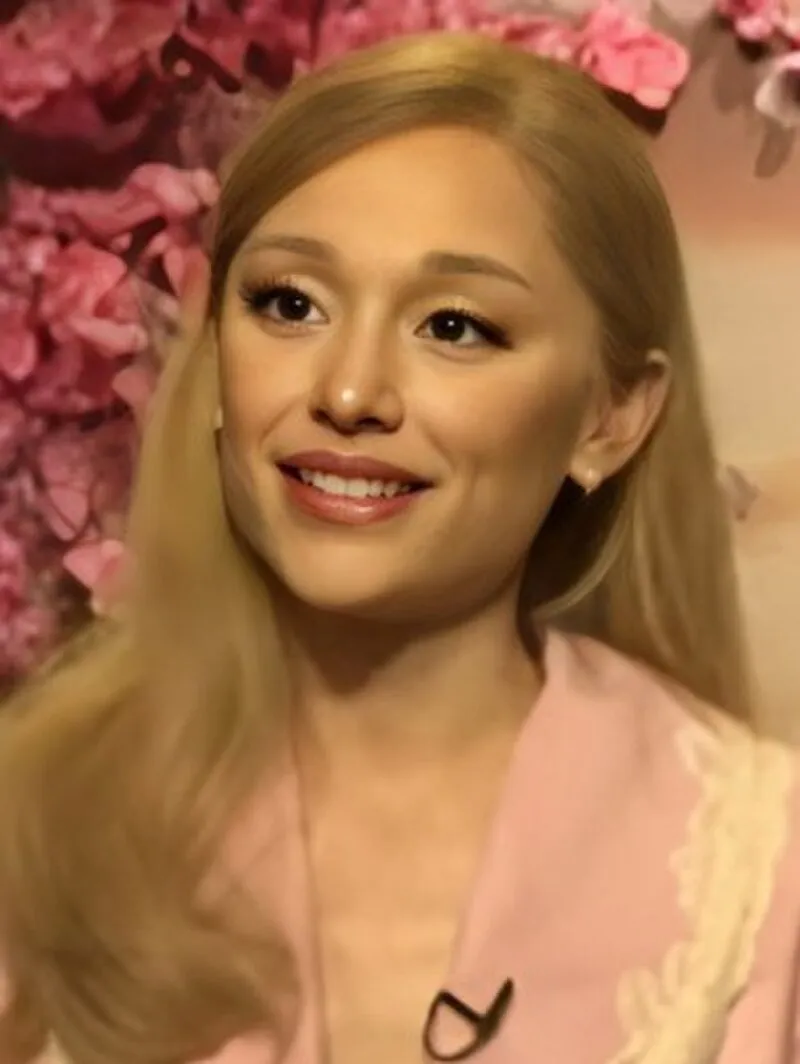
Photo of Ariana Grande, via Wikimedia Commons
Somewhere right now, a publicist is staring at their phone with the expression of someone watching a house fire they specifically told their client not to start. Their carefully drafted statement — the one with the three rounds of legal review, the measured language, the strategic non-answer — is sitting in a Google Doc, untouched. Because their client just posted a single sunflower emoji with the caption "lol okay" at 11:47 p.m., and the internet has already written seventeen thousand words of analysis about what it means.
Welcome to the age of the Cryptic Celebrity Post — the most chaotic, most compelling, and somehow most trusted form of celebrity communication in 2025.
The Death of the Official Statement
There was a time when a celebrity in crisis would issue a statement through their publicist, it would be printed verbatim by People magazine, and that would be the end of the conversation. The statement would be polished to the point of meaning nothing, carefully lawyered to admit nothing, and formatted to feel like it was written by a committee of robots with media training.
Audiences accepted this. They had no alternative.
Then social media arrived, and suddenly celebrities had direct access to their audiences — and their audiences had direct access to them. The official statement didn't disappear, but it started to feel increasingly hollow next to the raw, unedited, sometimes grammatically questionable things celebrities were saying in their own voice, on their own accounts, at hours when no sane publicist was awake to stop them.
The trust shifted. And it has never shifted back.
The Anatomy of a Cryptic Post
Not all vague celebrity posts are created equal. There's an entire taxonomy here that regular consumers of celebrity content have become fluent in without ever being formally taught:
The Pointed Quote Post: A screenshot of a Rumi poem or a Pinterest-core affirmation that is technically universal but lands with the precision of a named callout when posted within 48 hours of public drama. Deniable. Devastating.
The Single Emoji Drop: One emoji. No context. No caption. The more ambiguous the emoji, the louder the statement. A butterfly means healing. A chess piece means strategy. A clown face means someone just got publicly read and the poster wants credit without consequences.
The 'Unbothered' Selfie With a Caption That Is Extremely Bothered: "Living my best life 🤍" posted at 1:30 a.m. during an ongoing public feud is not living your best life. It is a declaration of war in a filter.
The Vague Threat Disguised as Self-Care: "Sometimes you just have to let people show you who they are." This one has ended careers. It has also started them.
The Late-Night X Spiral: A series of posts between midnight and 3 a.m. that begins with something innocuous and ends with someone's full government name being implied in three sentences that technically don't say anything actionable. The delete comes at 7 a.m. The screenshots are forever.
Why We Trust the Chaos More Than the Clarity
Here's the paradox at the center of all this: audiences know that celebrities are strategic. They know that even the "unhinged" post was probably at least slightly considered before being sent. And yet they still find it more credible than the official statement — because authenticity, even performed authenticity, reads as more human than corporate language.
Psychologists who study parasocial relationships have a term for this: intimacy cues. When a celebrity communicates in a way that feels personal — messy, emotional, imperfect — it triggers the same neurological responses as communication from someone we actually know. The official statement, by contrast, creates distance. It reminds us that there's a team between us and the person we think we understand.
"People are wired to trust emotional disclosure," explains one communications researcher who spoke to The Atlantic in a piece on influencer trust dynamics. "When someone appears to be saying something they 'shouldn't' say, the brain registers it as more likely to be true."
The celebrities who've figured this out — consciously or not — have essentially hacked the public's trust algorithm.
The Hall of Fame: Cryptic Posts That Broke the Internet
Without relitigating every celebrity drama of the past decade in exhausting detail, a few posts stand as monuments to the genre:
Beyoncé's entire Lemonade rollout was, in many ways, a masterclass in saying everything while officially saying nothing — letting the art speak while maintaining total deniability in interviews.
Ariana Grande's social media activity during the Pete Davidson split era generated more genuine emotional response than any statement her team could have produced. The "thank u, next" post alone rewrote the narrative of a very public, very messy situation into something that felt like a victory lap in real time.
And then there's the entire Kanye West X era, which — whatever your feelings about the content — demonstrated that raw, unmediated celebrity communication, even when genuinely alarming, commands attention at a level that no press release ever could.
The Publicist's Nightmare, the Audience's Delight
For the communications professionals who've spent their careers crafting controlled narratives, this era is genuinely difficult. Their clients are now competing against themselves — the polished version they're paid to manage versus the unfiltered version that posts at midnight and accidentally trends for three days.
Some publicists have adapted, learning to work with the chaos rather than against it. Others have reportedly started including social media clauses in contracts — restrictions on posting times, requirements for pre-approval of anything drama-adjacent. Whether those clauses are actually honored is, based on available evidence, debatable.
What Happens Next
The cryptic post isn't going anywhere. If anything, it's evolving. TikTok has added a video dimension to the genre — the tearful car video, the pointed song choice on a story, the very deliberate background detail in a casual selfie. Every platform offers new vocabulary for saying things without saying them.
The audiences who've become fluent in this language aren't going to forget it. And the celebrities who've discovered that a single well-timed vague caption can generate more coverage than a full press junket aren't going to stop using it.
So the next time you see a celebrity post a lowercase sentence fragment at 2 a.m. with no context and a peace sign — know that somewhere, a publicist just set their phone face-down on a table and took a very long breath.
The statement is in the caption. The caption is in the emoji. The emoji is, somehow, legally defensible.