Hollywood's Revolving Door: The Stars and Power Players Who Got Cancelled — Then Quietly Walked Back In
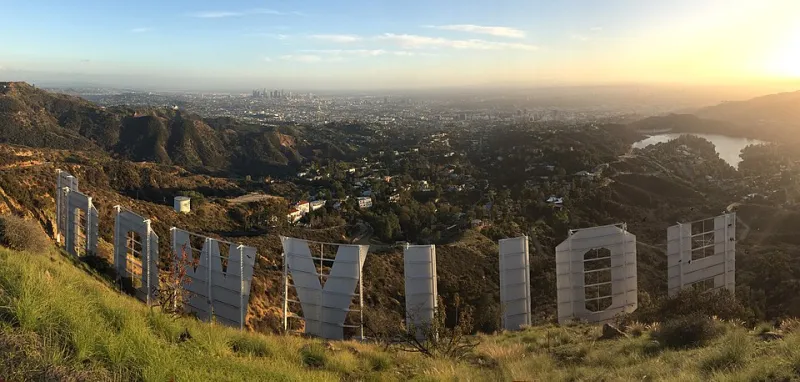
Photo: Michael E. Arth, CC BY-SA 4.0, via Wikimedia Commons
Hollywood's Revolving Door: The Stars and Power Players Who Got Cancelled — Then Quietly Walked Back In
Hollywood loves a public reckoning almost as much as it loves pretending one never happened. One week a name is radioactive — dropped from projects, scrubbed from press materials, deleted from studio websites with the quiet efficiency of a government redaction. Then, somewhere between 18 months and four years later, that same name reappears in a trade announcement, an awards circuit profile, or a carefully staged comeback interview. And the industry, almost universally, acts like none of us were paying attention.
Welcome to Hollywood's revolving door — where cancellation is less a permanent exit and more a brief sabbatical with a good publicist.
The Pattern Nobody Wants to Name
The mechanics of the quiet comeback are almost formulaic at this point. Step one: the controversy hits, usually via social media, a reporting investigation, or a very ill-timed audio clip. Step two: the studio drops the talent with a statement that manages to say everything and commit to nothing. Step three: a period of strategic silence — no red carpets, no interviews, maybe a single vague Instagram post about "growth" and "reflection." Step four: a low-key reentry, often through a prestige indie project, a podcast appearance with a sympathetic host, or a supporting role in something critically respected enough to reframe the conversation.
By step five, they're presenting at an awards show and nobody in the room says a word.
This isn't accidental. It's a system — and it runs on money, relationships, and the entertainment industry's deep, structural discomfort with permanent accountability.
Who Gets to Come Back — and Who Doesn't
Here's where it gets uncomfortable: not everyone gets the revolving door treatment. The pattern of who resurfaces and who stays gone reveals a great deal about which variables Hollywood actually weighs when it decides someone has "done the work."
Generally speaking, the comeback is faster and smoother if you are: a man, a box office draw, a behind-the-scenes power player rather than a visible talent, or someone whose controversy can be reframed as a "complicated moment" rather than a pattern of behavior. Conversely, women — particularly women of color — who face public controversy tend to experience longer, harsher absences with fewer institutional lifelines waiting for them on the other side.
This isn't a fringe observation. Scholars who study media and entertainment accountability have noted repeatedly that the industry's forgiveness economy is deeply uneven. Who gets rehabilitated, and how quickly, reflects the same power structures that enabled the original controversy in the first place.
Melissa Silverstein, founder of Women and Hollywood, has spoken extensively about how the post-#MeToo landscape promised structural change but largely delivered individual consequences — consequences that were, in many cases, temporary.
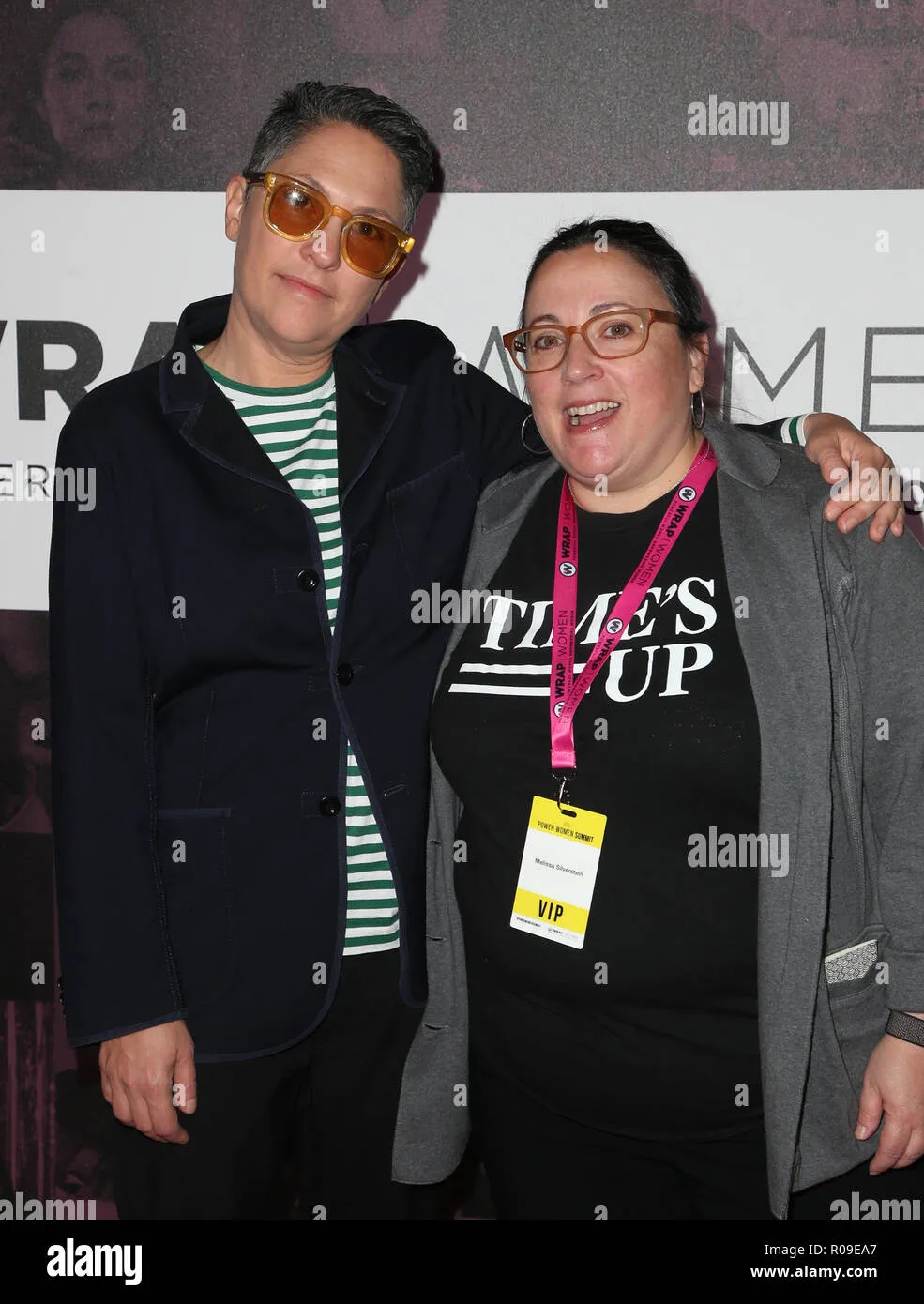 Photo: Melissa Silverstein, via c8.alamy.com
The Industries That Absorb Them Fastest
Not all corners of the entertainment world are equally welcoming to the returned. Music, particularly hip-hop and rock, has historically been the most forgiving — genres where a certain level of personal chaos has been aestheticized as authenticity for decades. Streaming platforms, desperate for recognizable names to anchor original content, have also proven reliably accommodating. Netflix, Hulu, and Amazon have all, at various points, partnered with figures who were persona non grata in traditional studio spaces.
Podcasting deserves its own paragraph here. The medium has functioned as a halfway house for the cancelled since approximately 2019. It requires no studio approval, no network greenlight, and no publicist's blessing. You just... start talking. And audiences, bless them, often listen — partly out of genuine curiosity, partly because parasocial relationships are harder to quit than we admit.
Theater, interestingly, tends to be more resistant. Live performance communities are smaller, more intimate, and the colleagues you've wronged are often literally standing in the wings.
Are Audiences Complicit?
Let's be honest with ourselves for a second, because this conversation doesn't land properly without it: the quiet comeback only works because audiences allow it. Streaming numbers don't lie. When a controversial figure's project drops and the views roll in, the industry reads that as a green light — regardless of what the discourse said six months prior.
This isn't necessarily a moral failing on the part of individual viewers. Human beings are wired for narrative, and redemption is one of our oldest and most satisfying story structures. We want to believe people change. We also, frankly, want to be entertained — and sometimes the most talented person in the room is also the most problematic one. That tension is real, and anyone who pretends it isn't is either lying or hasn't thought about it hard enough.
But there's a difference between an audience organically deciding to give someone another chance and a PR machine engineering the conditions under which that decision feels inevitable. The former is human. The latter is a business strategy.
The Structural Critique Nobody at the Studio Meeting Is Having
The deeper issue isn't really about individual comebacks. It's about what the revolving door reveals about accountability as a concept in Hollywood. When consequences are consistently temporary — when the industry's response to wrongdoing is essentially a timeout — it communicates something very specific to everyone watching: that the system will protect its assets, that talent is currency that depreciates slowly, and that the threshold for permanent exile is set deliberately, almost impossibly high.
This creates an environment where genuine reform is difficult, because the implicit message is always that the clock is running. Sit it out long enough, hire the right team, and the door will open again.
That's not accountability. That's brand management with a longer timeline.
What Happens Next
Watch for the next wave. Several figures currently in their "quiet period" have projects in various stages of development that haven't been publicly announced yet — and award season, with its appetite for narratives of resilience and complexity, has historically been a favorite re-entry point. When the trades start running profiles with headlines about "reinvention" and "hard-won wisdom," you'll know the door is swinging open again.
The question worth asking — every single time — isn't just can they come back. It's who decided they could, what changed, and who doesn't get the same courtesy.
Because in Hollywood, the revolving door spins for everyone — it just spins a lot faster for some than others.