Lights, Camera, Spin: The Celebrity Documentary Boom and the Very Blurry Line Between Truth and Therapy-Core PR
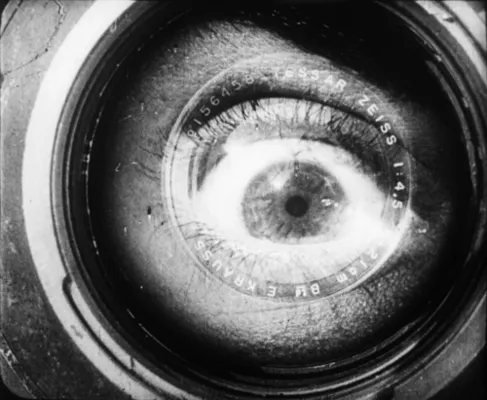
Photo: Dziga Vertov, Public domain, via Wikimedia Commons
Something interesting happens when a celebrity has a very bad year. The lawyers get involved, the publicist goes into crisis mode, the Instagram goes suspiciously quiet — and then, almost inevitably, someone calls a streaming platform. Because in 2024 and beyond, the celebrity documentary isn't just a vanity project or a fan service exercise. It has become the entertainment industry's most sophisticated, most expensive, and most emotionally manipulative form of damage control.
And honestly? We can't stop watching.
The Formula, Explained
The modern celebrity documentary follows a recognizable structure that is worth naming plainly, because once you see it, you cannot unsee it. It typically opens with atmospheric footage — childhood photos, grainy home video, a voiceover that sounds like a therapy session with better lighting. Then comes the "difficult period," framed through the subject's own perspective, often with sympathetic talking heads (friends, family, carefully selected collaborators) who contextualize without fully challenging. The third act is invariably about growth, healing, and — conveniently — whatever project the subject is currently promoting.
This is not journalism. It is autobiography with a cinematographer.
That's not inherently wrong, by the way. Celebrities are human beings with complex stories, and there is genuine value in letting people narrate their own experiences rather than having those experiences narrated for them by tabloids with agendas of their own. The problem arises when these productions are presented — or received — as objective truth rather than what they actually are: a very expensive, very polished point of view.
Who Controls the Narrative?
This is the question that every viewer should be asking before they hit play, and almost nobody does.
In cooperative documentaries — where the subject has agreed to participate and often has some level of creative input or approval — the filmmaker's access is conditional. They get the interviews, the archive footage, the emotional moments, because the subject wants them to have it. What they don't get is equally important: the conversations that didn't happen on camera, the sources who declined to participate, the documents that weren't made available.
Some directors navigate this tension brilliantly. Asif Kapadia's work — his films on Amy Winehouse and Senna — demonstrated that you can tell a subject's story with profound empathy while still allowing the uncomfortable truths to surface. The Amy documentary, released in 2015, remains a high-water mark for the genre precisely because it didn't flinch, and because Winehouse herself was no longer alive to shape what was included.
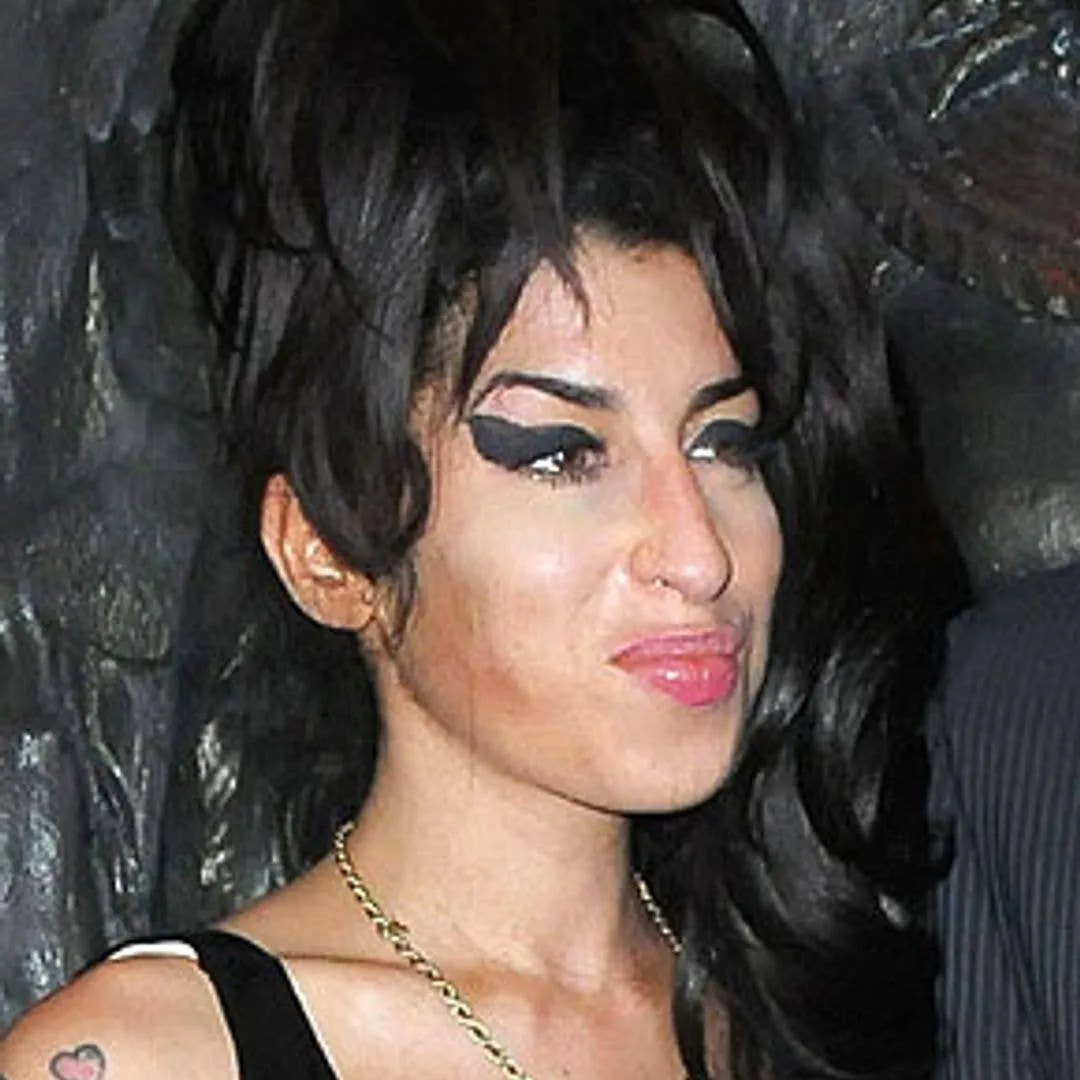 Photo: Amy Winehouse, via images.hellomagazine.com
That last part matters more than people acknowledge. The most revealing celebrity documentaries tend to be the ones where the subject has the least control.
The Britney Blueprint
No conversation about celebrity documentaries and narrative control is complete without Framing Britney Spears, the 2021 New York Times–produced film that genuinely changed the cultural conversation around Britney Spears's conservatorship and the media's role in her public unraveling. Crucially, Britney herself did not participate in that documentary. It was made about her, not with her — and that distance is part of what gave it its teeth.
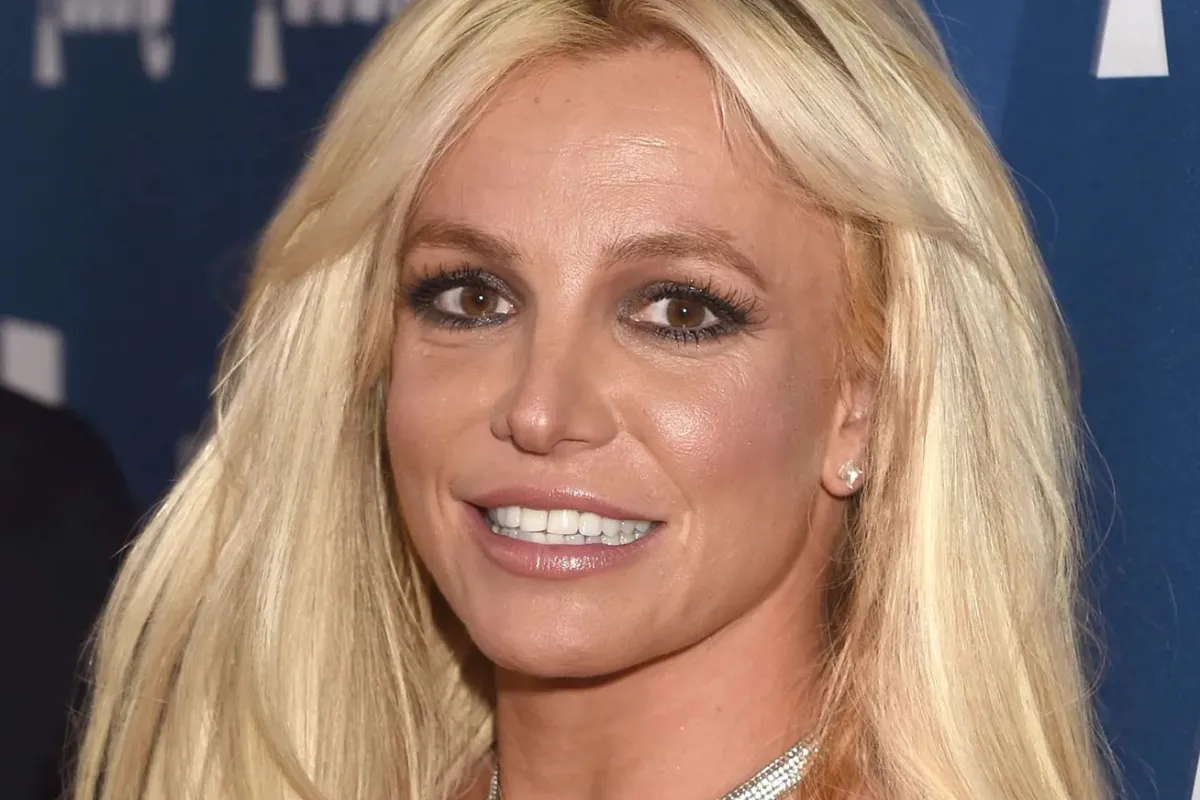 Photo: Britney Spears, via facts.net
The subsequent Britney vs Spears on Netflix, and the wave of Britney-adjacent content that followed, illustrated both the power of the format and its limitations. By the time Britney published her own memoir, The Woman in Me, in 2023, the documentary cycle had already done significant work in rehabilitating public perception — not through spin, but through accountability aimed at the systems around her rather than at Britney herself.
This is the template that every subsequent celebrity documentary quietly aspires to, whether it earns it or not.
The Spectrum: Revelatory to Rehab
Not all celebrity documentaries are created equal. Here's an honest ranking of where recent entries fall on the scale from genuinely illuminating to barely disguised image management.
Genuinely Revelatory: Documentaries that include voices and perspectives the subject would probably have preferred to exclude. That allow for silence and contradiction. That don't wrap everything up with a redemptive bow. These are rare and tend to make the subject uncomfortable in retrospect.
Somewhere in the Middle: Projects where you can feel the filmmaker straining against their access deal — where real moments break through despite the controlled environment. Jada Pinkett Smith's Red Table Talk content around the Will Smith Oscars slap occupied this weird middle ground: personal, occasionally raw, but also clearly serving a function.
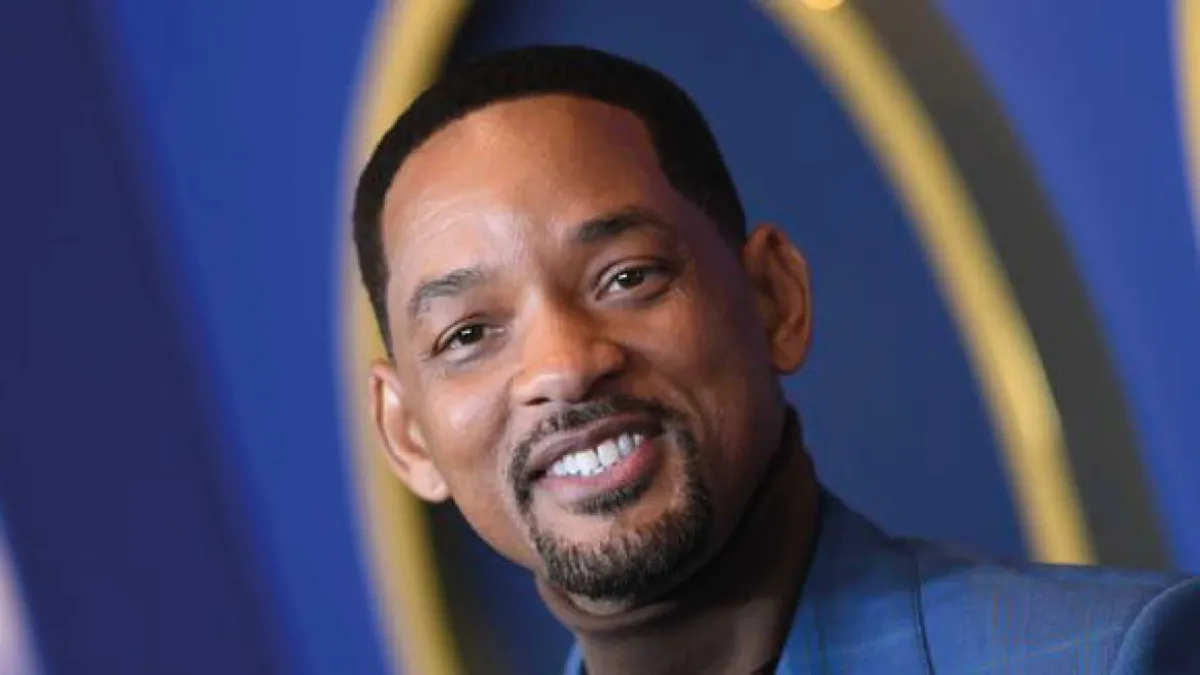 Photo: Will Smith, via www.laxmasmusica.com
Blatant Image Rehab: The documentary where every talking head was clearly vetted, every question was softballed, and the "difficult moments" are discussed in the past tense with the careful grammar of someone who has been coached extensively. You'll recognize these because they leave you feeling vaguely warm and completely uninformed.
Ye's various documentary projects have oscillated across this entire spectrum depending on who had editorial control at the time, which is its own kind of fascinating.
The Streaming Platform's Role
Netflix, Hulu, Amazon, and their competitors have a financial incentive to greenlight celebrity documentaries that is entirely separate from any journalistic impulse. A recognizable name drives subscriptions. A controversial figure drives even more. The platform doesn't necessarily need the documentary to be good — it needs it to trend for a news cycle, which is a much lower bar.
This creates a market dynamic where the worse your year has been, the more valuable your story becomes to a streaming platform — which means the celebrity with the most to rehabilitate often has the most resources with which to do it. The system rewards controversy with a platform to reframe that controversy. Make of that what you will.
What to Watch For
Keep your eyes on whoever is currently in the middle of a public crisis or a prolonged period of career uncertainty — because statistically, a documentary announcement is coming. When it does, ask yourself: who agreed to be interviewed and who didn't? Who has approval rights over the final cut? What is the subject currently selling? And what version of events is notably, conspicuously absent?
The documentary isn't lying to you. It's just only telling you part of the story — and calling it the whole thing.
In Hollywood, that's not deception. That's just good editing.