From Canceled to Cashing Out: The Celebrities Who Weaponized Their Worst Moments and Won
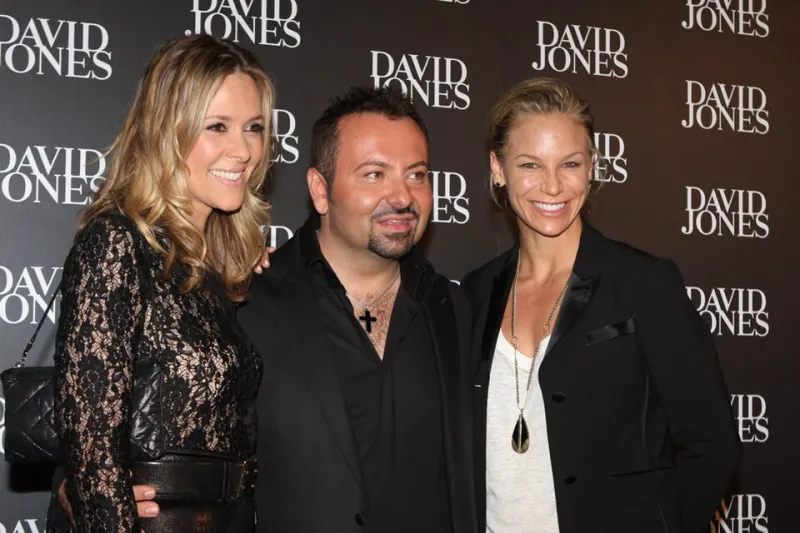
Photo: Eva Rinaldi, CC BY-SA 2.0, via Wikimedia Commons
Getting publicly humiliated used to be a career-ender. Now, for a very specific type of celebrity with a very specific skill set, it might actually be the best thing that ever happened to them. From reality TV sabotage edits to full-scale internet cancellations, a surprising number of stars have taken their most catastrophic public moments and quietly turned them into the foundation of something bigger, more profitable, and frankly more interesting than whatever they had before.
Welcome to the villain edit survival guide — the unofficial playbook that separates the ones who rose from the ones who simply burned.
The Villain Edit: A Brief History of Hollywood's Favorite Plot Device
If you've spent any time watching reality television — and statistically, you have — you know the villain edit. It's the magic trick producers pull when they need a ratings-friendly antagonist: unflattering confessionals, strategic music cues, reaction shots timed for maximum cringe. The person on the receiving end rarely sees it coming until the episode airs and their mentions turn into a crime scene.
But the villain edit isn't exclusive to reality TV. Tabloid journalism, social media pile-ons, and even awards show coverage have all been guilty of constructing a narrative around a celebrity that is at best reductive and at worst completely fabricated. The result is the same: a public figure handed a label they didn't choose, attached to a moment they can't take back, and left to figure out what comes next.
What comes next, it turns out, depends almost entirely on how they play it.
The Ones Who Figured It Out
Kim Kardashian is arguably the most instructive case study in villain edit survival in modern celebrity history. The 2007 tape leak was not a calculated PR move — it was a violation. But what happened afterward was a masterclass in narrative reclamation. Rather than retreating, Kardashian leaned into visibility, built a reality TV franchise, and eventually constructed a business empire worth billions. The people who wrote her off in 2007 have spent the intervening years watching her systematically prove them wrong. SKIMS alone — valued at over $4 billion — is a more compelling comeback story than anything Hollywood's traditional machine could have scripted.
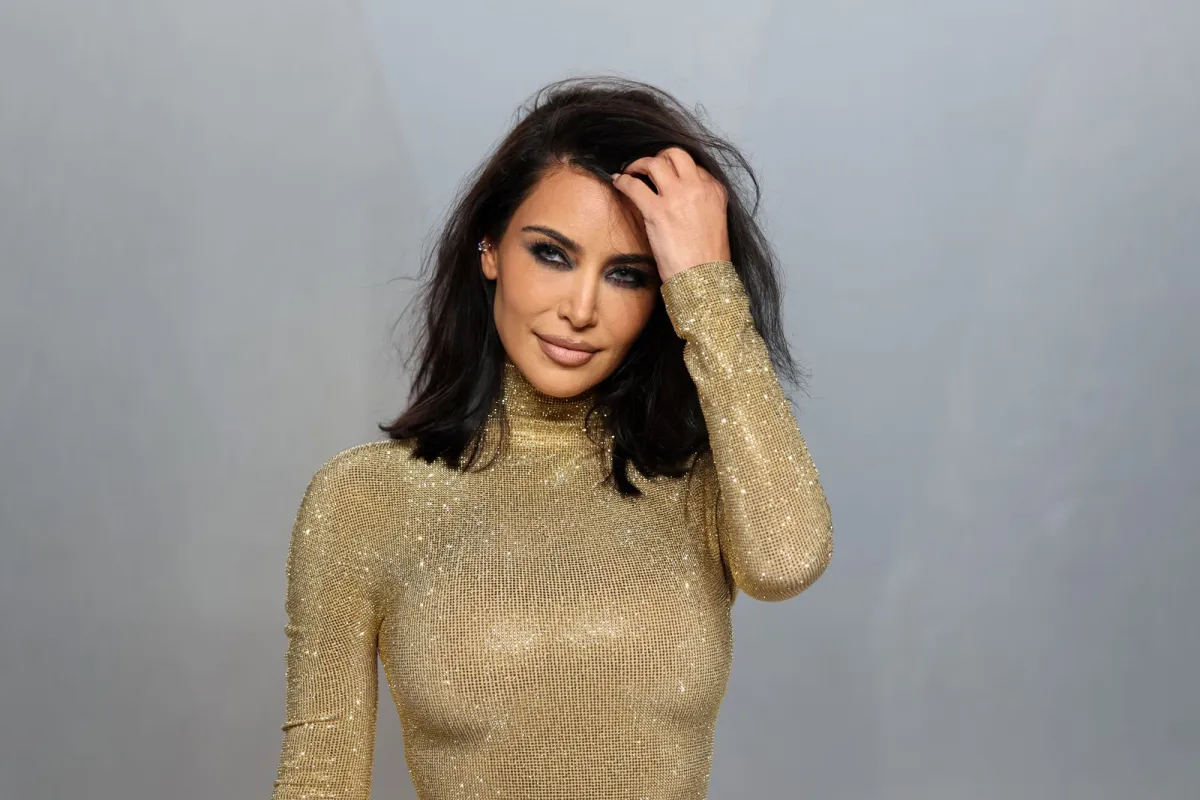 Photo: Kim Kardashian, via assets.vogue.com
Britney Spears spent years being handed one of the cruelest villain edits in pop culture history — a woman experiencing a very public mental health crisis who was simultaneously mocked, photographed without consent, and stripped of her legal autonomy. The 2021 Framing Britney Spears documentary reframed the entire narrative almost overnight, triggering a cultural reckoning that led to the dissolution of her conservatorship and, eventually, her memoir The Woman in Me, which became a massive bestseller. The internet didn't just rehabilitate Britney's image — it issued a collective apology.
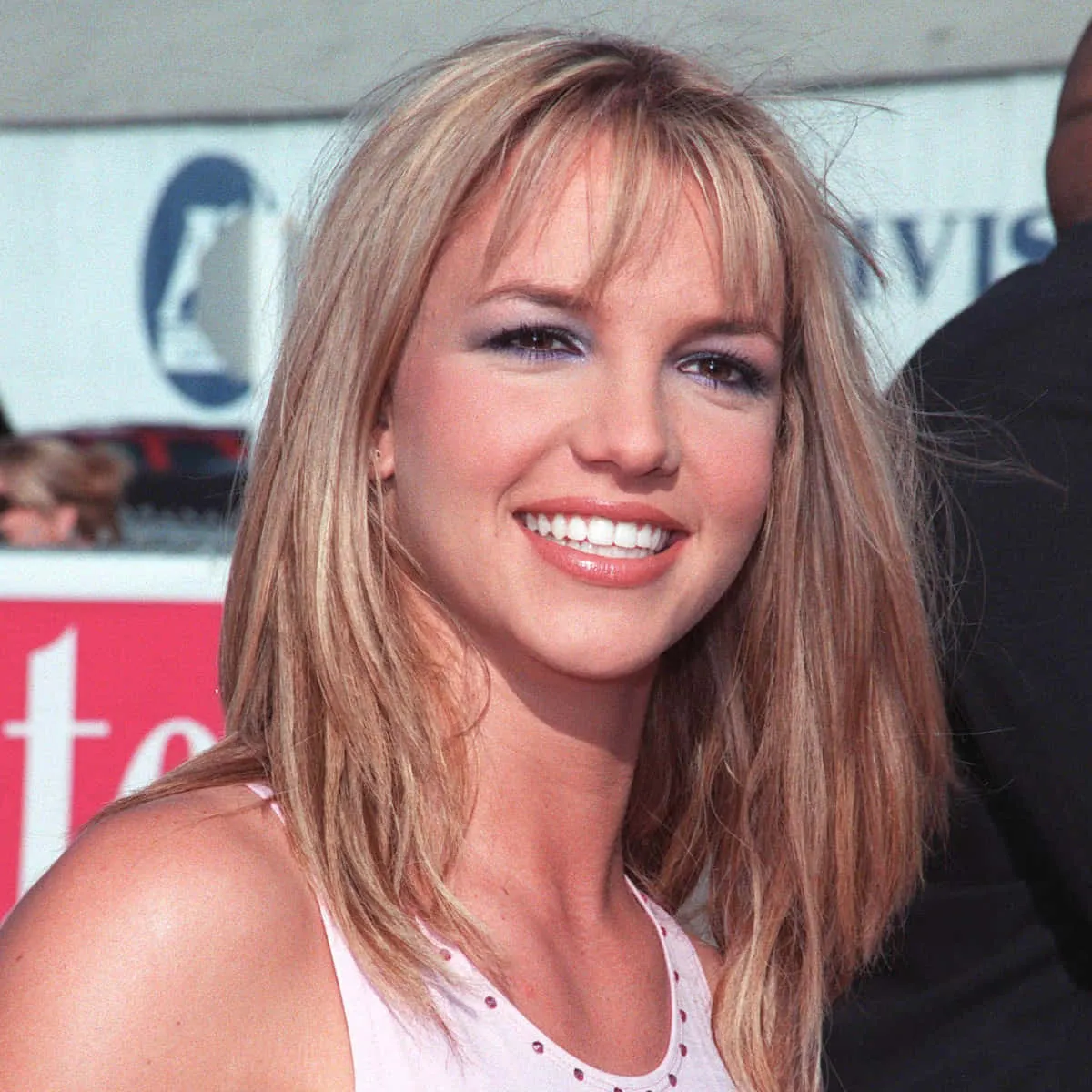 Photo: Britney Spears, via wallpapers.com
Khloé Kardashian spent the better part of a decade being positioned as the punchline of her own family's story — the one the tabloids felt comfortable body-shaming while praising everyone around her. She turned that experience into Revenge Body, a fitness platform, and a Good American denim brand built explicitly around size inclusivity. The joke became the brand. The brand became the business.
Bethenny Frankel was handed a villain edit on The Real Housewives of New York City so many times it practically became her personality — sharp-tongued, combative, relentlessly ambitious. She took that exact energy and built Skinnygirl into an empire she sold for a reported $100 million. She's now one of the most successful entrepreneur-to-celebrity-to-entrepreneur pivot stories in reality TV history, and she'll be the first to tell you that the drama is what got her there.
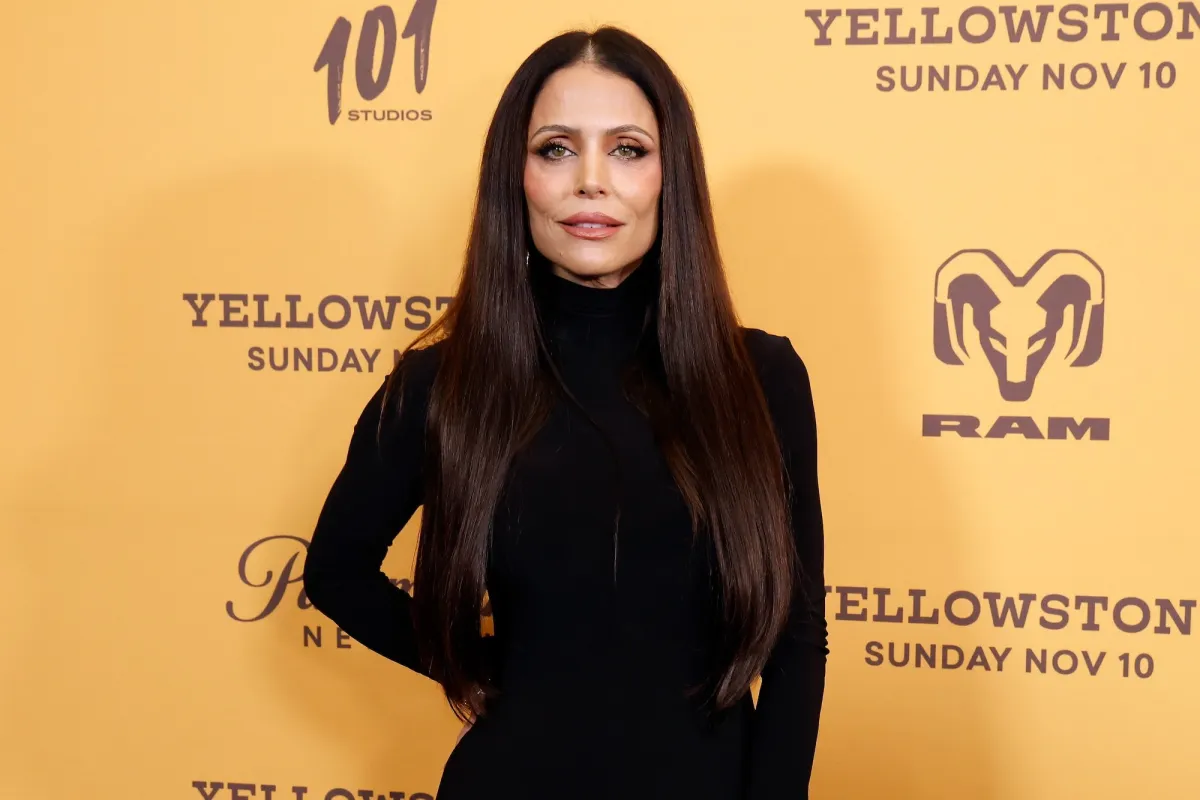 Photo: Bethenny Frankel, via www.usmagazine.com
The Formula Behind the Flip
So what separates the ones who survive from the ones who don't? After studying enough of these arcs, a few consistent threads emerge.
Own the narrative before someone else does. The celebrities who successfully flip their villain edit almost always get ahead of the story at some point — whether through a memoir, a documentary, a carefully timed interview, or a social media post that reframes the moment in their own words. Waiting for the public to decide the story is over is a losing strategy.
Build something tangible. Goodwill fades. Products don't. The most durable comeback stories in this space are almost always attached to a business venture — a brand, a book, a platform — that gives the public something concrete to root for beyond the person's reputation alone.
Let time do some of the heavy lifting. The internet has a notoriously short memory when it's given something new to focus on. Celebrities who survive their worst moments often do so partly by simply staying consistent and letting the news cycle move on without feeding it more drama.
Never, ever play the victim in real time. This is the counterintuitive one. The celebrities who lean too hard into public sympathy immediately after a humiliating moment often extend the news cycle rather than ending it. The ones who go quiet, regroup, and come back with something — a project, a pivot, a perfectly timed revelation — tend to fare significantly better.
The Internet's Complicated Relationship With the Comeback
Here's where it gets interesting: audiences are genuinely conflicted about rooting for the celebrity comeback. There's a very real tension between the satisfaction of watching someone beat the odds and the nagging question of whether certain people should get the redemption arc they're clearly engineering.
Social media has made this more complicated, not less. The same platforms that facilitate the pile-on also facilitate the rehabilitation — sometimes within the same news cycle. A cancellation can begin on Twitter and be partially reversed by TikTok before the original tweet even finishes going viral. The speed at which public opinion shifts has made the villain edit both more dangerous and more survivable than it's ever been.
What This Means Going Forward
If there's a dark irony in all of this, it's that public humiliation has quietly become one of the more reliable origin stories in modern celebrity culture. The worst moment is increasingly the beginning of the most interesting chapter — provided the celebrity in question has the self-awareness, the resources, and frankly the nerve to do something with it.
The ones who don't? They become cautionary tales in someone else's comeback documentary.
In 2025, the villain edit isn't a death sentence — it might just be the universe handing you your origin story.