Executive Producer of What, Exactly? Hollywood's Fanciest Credit Finally Gets the Interrogation It Deserves

Photo of Beyoncé, via Wikimedia Commons
Executive Producer of What, Exactly? Hollywood's Fanciest Credit Finally Gets the Interrogation It Deserves
The credits are rolling. You're half-watching, half-scrolling, and then you see it: Executive Producer: [Insert Major Celebrity Name Here]. You squint slightly. You think: didn't they just win a Grammy? Aren't they currently on a world tour? When did they have time to produce something? And more to the point — what does that even mean?
You are not alone. The executive producer credit has become one of Hollywood's most ubiquitous, most sought-after, and most genuinely confusing titles in the modern entertainment landscape. It appears on prestige dramas, reality franchises, documentary series, and streaming specials. It's attached to the names of musicians, athletes, socialites, and actors who are already famous for something else entirely. And it carries an air of creative authority that, depending on the project and the person, may be entirely deserved — or may mean approximately nothing at all.
Let's sort this out.
What an Executive Producer Actually Is (In Theory)
In the traditional Hollywood framework, an executive producer is the person — or one of the people — at the top of a project's creative and financial food chain. They secure funding. They greenlight creative decisions. They are involved in hiring key personnel, shaping the overall vision, and ensuring the project gets made and distributed. On a major studio film, the executive producer credit often belongs to someone who brought the project to the studio, held the rights to the underlying material, or played a significant role in assembling the package that made the whole thing possible.
On television, particularly in the streaming era, executive producers are frequently the showrunners — the people who actually run the writers' room, oversee production, and have final say on the creative direction of the series. This is a real, demanding, unglamorous job that involves an enormous amount of work and very little of the red carpet attention the title implies.
So far, so legitimate. The problem is that the title has expanded so far beyond these original meanings that it now covers an almost incomprehensibly wide range of actual involvement — from 'I built this from the ground up and fought for it every step of the way' to 'my name is on this and I attended one Zoom call in pre-production.'
When the Credit Is Genuinely Earned
Let's be fair: there are celebrities carrying executive producer credits who have absolutely earned them, and it would be reductive to dismiss the title across the board.
Beyoncé's executive producer credits — on Lemonade, Black Is King, and Renaissance: A Film by Beyoncé — represent genuine creative authorship. She conceived these projects, oversaw their visual and sonic direction, and drove the creative vision from inception to release. The credit reflects real power and real work. Similarly, Issa Rae built Insecure from her own web series, developed it for HBO, and served as a hands-on executive producer throughout its run. That credit tells you something true about her role in the project.
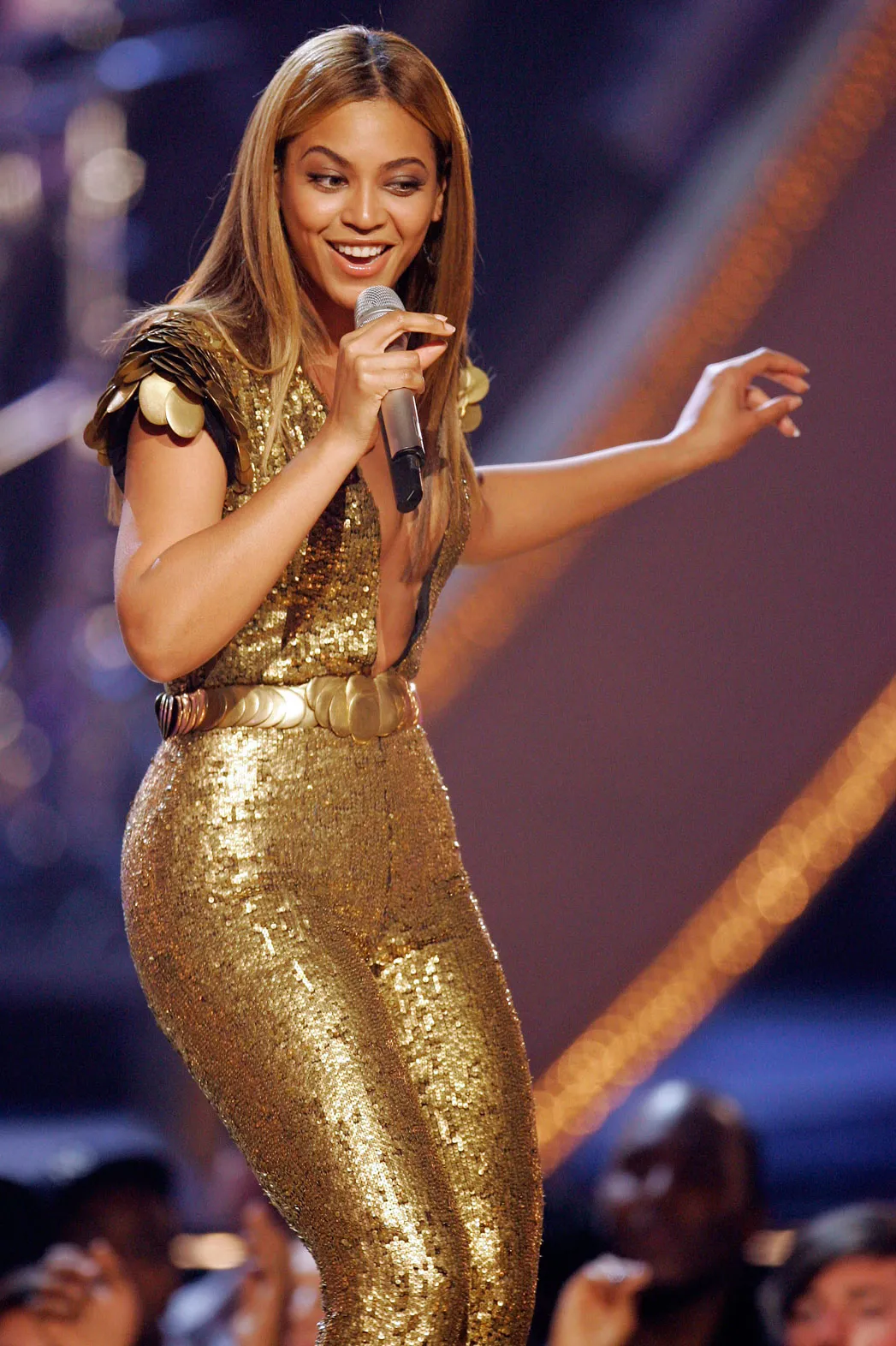 Photo: Beyoncé, via www.hollywoodreporter.com
Oprah Winfrey's long history as an executive producer — across everything from The Color Purple to Selma to her OWN network programming — reflects decades of genuine industry infrastructure-building. She didn't collect credits; she built the machine that generates them.
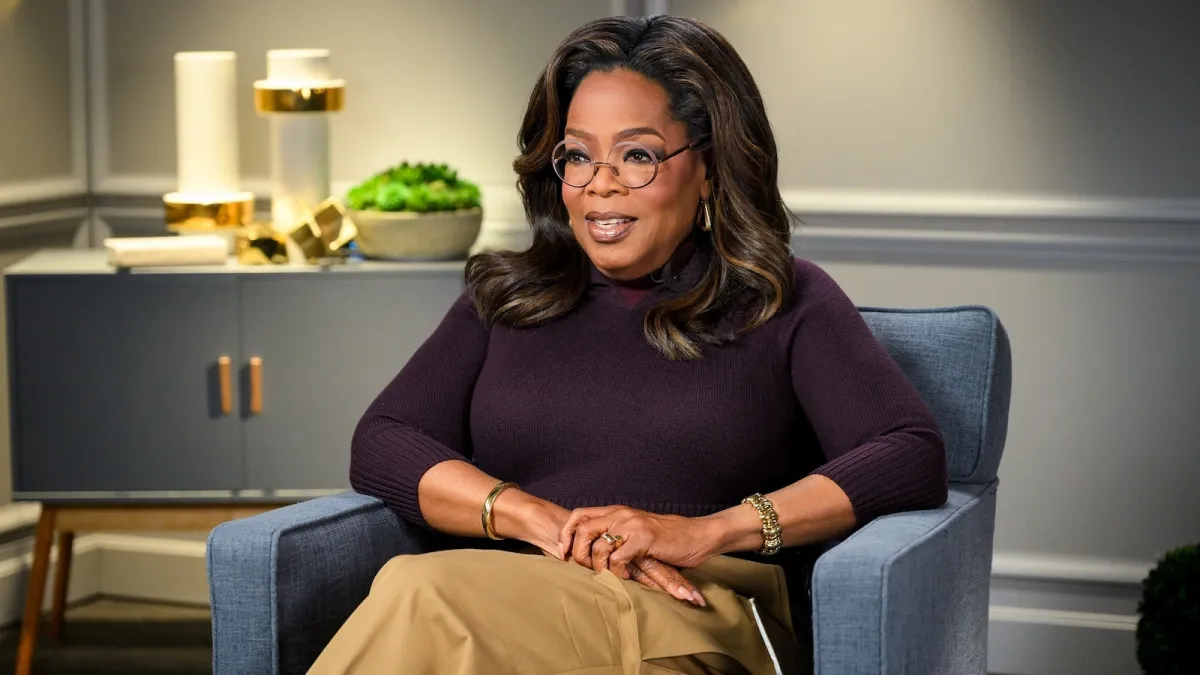 Photo: Oprah Winfrey, via i.abcnewsfe.com
The pattern in these cases is consistent: the celebrity in question had a reason to be involved that predated the production, a creative investment that shaped the final product, and a level of engagement that would have been noticed if they'd withdrawn it.
When the Credit Is... Something Else
And then there's the other category. The executive producer credit as negotiating chip. As contractual courtesy. As the thing your team asks for when they can't get you top billing but want your name to carry more weight in the marketing.
This is an open secret in the industry. Celebrities with significant leverage — either because they're attached as a star, because they control the underlying rights, or simply because their name is valuable to a project's commercial prospects — will routinely request an executive producer credit as part of their deal. It costs the studio relatively little (the title itself carries no salary requirement, though it often comes with backend points), and it gives the celebrity something to put in their bio that sounds considerably more substantial than 'appeared in.'
The reality TV world is particularly rich territory for this phenomenon. When a major celebrity is attached to a docuseries or a reality format — either as the subject or as a figurehead — the executive producer credit appears almost automatically, regardless of how much creative input they actually provide. Kim Kardashian's various executive producer credits across the Kardashian-Jenner media empire reflect both genuine business involvement (she and her family have had real influence over how their story is told) and the broader reality that in unscripted television, the line between 'subject' and 'producer' has always been conveniently blurry.
The Streaming Era Made Everything Worse (and More Interesting)
Netflix, Hulu, HBO Max, Apple TV+, and their competitors have supercharged the executive producer inflation problem, largely because they have been extraordinarily aggressive in signing overall deals with celebrities and creators — deals that come with credits attached as a matter of course. When a streamer signs a first-look deal with a major star, that star often receives executive producer status on anything they're involved with, whether or not their involvement rises to the level the title implies.
This has produced some genuinely absurd situations where a project's credits list eight or nine executive producers, several of whom have clearly different levels of actual involvement. The credit has become, in some contexts, less a job description and more a hierarchy signal — a way of indicating who has power in a room without specifying what kind of power or how it's being exercised.
Why Celebrities Fight So Hard for Three Words
Here's what makes the executive producer credit genuinely interesting as a cultural object: it matters to celebrities in ways that go beyond the practical. There is a real and understandable desire, particularly among performers who have spent their careers executing other people's visions, to be recognized as someone who shapes things rather than just inhabits them. The executive producer credit is one of the few industry-recognized ways to signal that transition.
For female celebrities in particular, the credit has become an important marker of agency in an industry that has historically offered them very little of it. The push by actresses like Reese Witherspoon, Nicole Kidman, and Kerry Washington to produce their own projects — and to take the credits that reflect that work — is a meaningful shift in who holds creative power in Hollywood, not just a branding exercise.
 Photo: Reese Witherspoon, via www.byrdie.com
For others, it is absolutely a branding exercise. And there's nothing inherently wrong with that, as long as nobody's pretending otherwise.
What to Actually Look For
If you want to know whether a celebrity's executive producer credit means something, here are the questions worth asking: Did they bring the project to the studio, or did the studio bring the project to them? Do they have a background in production, development, or rights acquisition? Have they spoken publicly and specifically about creative decisions they made? Does the project reflect a point of view that tracks with their known interests or body of work?
If the answers are yes — you're probably looking at a real credit. If the celebrity seems vaguely surprised when asked about the project in interviews, or if their 'involvement' consists entirely of being photographed at the premiere — well. The credits have been rolling for a long time, and not everything in them means what it says.
But hey, at least it looks great on the Wikipedia page.