Lights, Camera, Disaster: Why Hollywood Keeps Casting Real Couples Together (And Why It Almost Always Blows Up)

Photo: Eva Rinaldi, CC BY-SA 2.0, via Wikimedia Commons
Hollywood has never met a bad idea it couldn't greenlight twice. Case in point: the enduring, deeply questionable tradition of casting real-life romantic partners opposite each other on screen — then acting shocked when the whole thing combusts somewhere between principal photography and the press junket. Welcome to the Method Couple Era, where the line between authentic chemistry and catastrophic oversharing is approximately three red carpet photos wide.
The logic, on paper, sounds reasonable enough. Two people who are genuinely in love with each other will presumably generate sparks on screen that no amount of acting school can manufacture. Studios get built-in publicity from the tabloid coverage of their stars' real relationship. Audiences, allegedly, can feel the difference. Everyone wins. Except, historically speaking, almost nobody wins.
The Greatest Cautionary Tale Ever Told (In IMAX)
If you want to understand why the Method Couple playbook is fundamentally flawed, you need only whisper two words into the void: Gigli. Jennifer Lopez and Ben Affleck — two of the most individually magnetic stars of their generation — fell hard for each other during production of the 2003 romantic crime comedy, and the resulting film became one of the most legendarily catastrophic box office disasters in modern Hollywood history. Critics didn't just pan it; they practically filed restraining orders against it. The movie grossed roughly $6 million against a $54 million budget, and the real-life romance that was supposed to be its greatest selling point became the punchline that followed both stars for years.
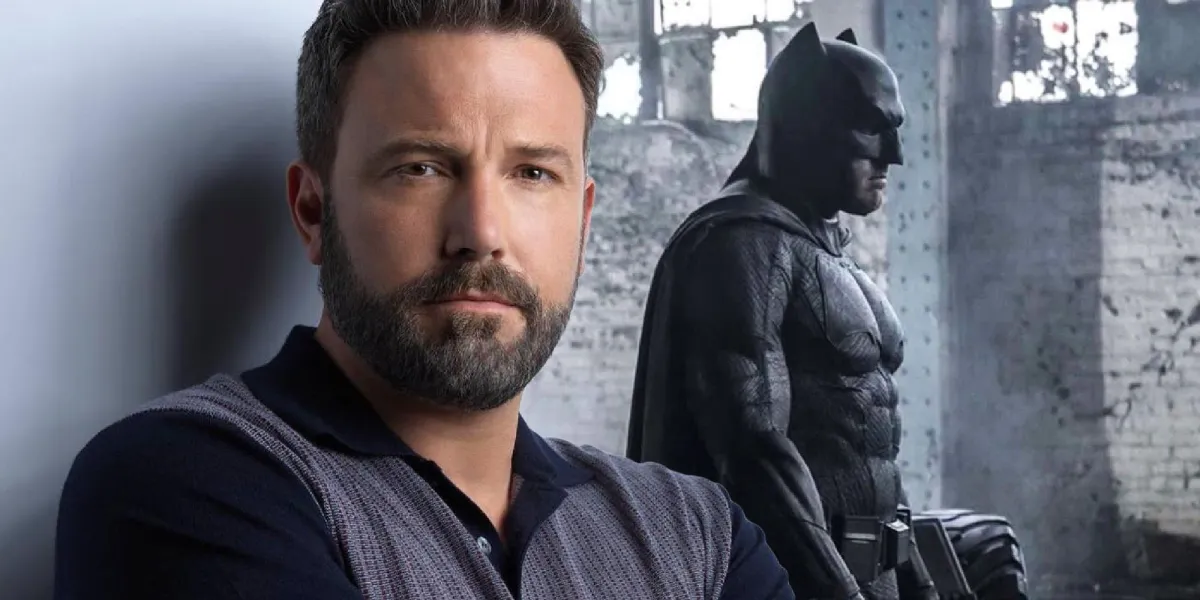 Photo: Ben Affleck, via static1.srcdn.com
 Photo: Jennifer Lopez, via people.com
To be fair to Bennifer — both iterations of them — the Gigli disaster was a perfect storm of a genuinely troubled script, tabloid oversaturation, and the particular cruelty of early-2000s celebrity media. But the lesson the industry drew from that wreckage wasn't "stop casting couples together." It was "do better PR next time."
The Chemistry Myth (And Why Studios Keep Buying It)
Here's the uncomfortable truth that nobody in a studio development meeting wants to say out loud: on-screen chemistry is almost entirely a function of good writing, skilled direction, and two competent actors doing their jobs. The idea that real romantic partners generate some ineffable, camera-detectable magic is, largely, a myth — and a convenient one at that.
What real couples actually bring to a production is complicated personal history, established relationship dynamics that may or may not serve the story, and an audience that is never, ever watching the characters. They're watching the couple. Every lingering glance becomes tabloid fodder. Every reportedly tense moment on set becomes a breakup rumor. The film itself gets swallowed whole by the relationship narrative surrounding it.
And yet studios persist, because the publicity machine that surrounds a real-life couple in a film together is essentially free marketing. The paparazzi photos, the "are they or aren't they" speculation (even when everyone already knows the answer), the coordinated red carpet appearances — it all functions as an extended trailer that costs the studio exactly nothing.
The Press Tour Problem
If the production itself is a minefield, the press tour is where things truly go sideways. When a real couple is promoting a film together, every interviewer in every market is functionally obligated to ask about the relationship. The actors, coached by their respective publicists, must perform a delicate dance of being charming and forthcoming enough to generate headlines without saying anything that could be weaponized later.
This becomes exponentially more complicated when the relationship hits turbulence mid-promotion — which, given that film production timelines often stretch across a year or more, happens with startling regularity. Audiences have a sharp eye for the particular strain of a couple doing press for a romantic film while visibly not making eye contact with each other. The internet, naturally, documents everything.
Reportedly, industry insiders note that studios are increasingly building relationship contingency clauses into production agreements — not to prevent couples from working together, but to manage the fallout when things go south. That's not a romantic development. That's an actuarial one.
When It Actually Works (Sort Of)
In the interest of fairness: sometimes the gamble pays off. Ryan Reynolds and Blake Lively have built an entire dual-brand empire partly on the foundation of their genuine, apparently functional partnership, and their occasional on-screen adjacency has only amplified their collective cultural footprint. Kurt Russell and Goldie Hawn managed decades of both a real relationship and professional collaboration without the whole thing going up in flames. These examples exist.
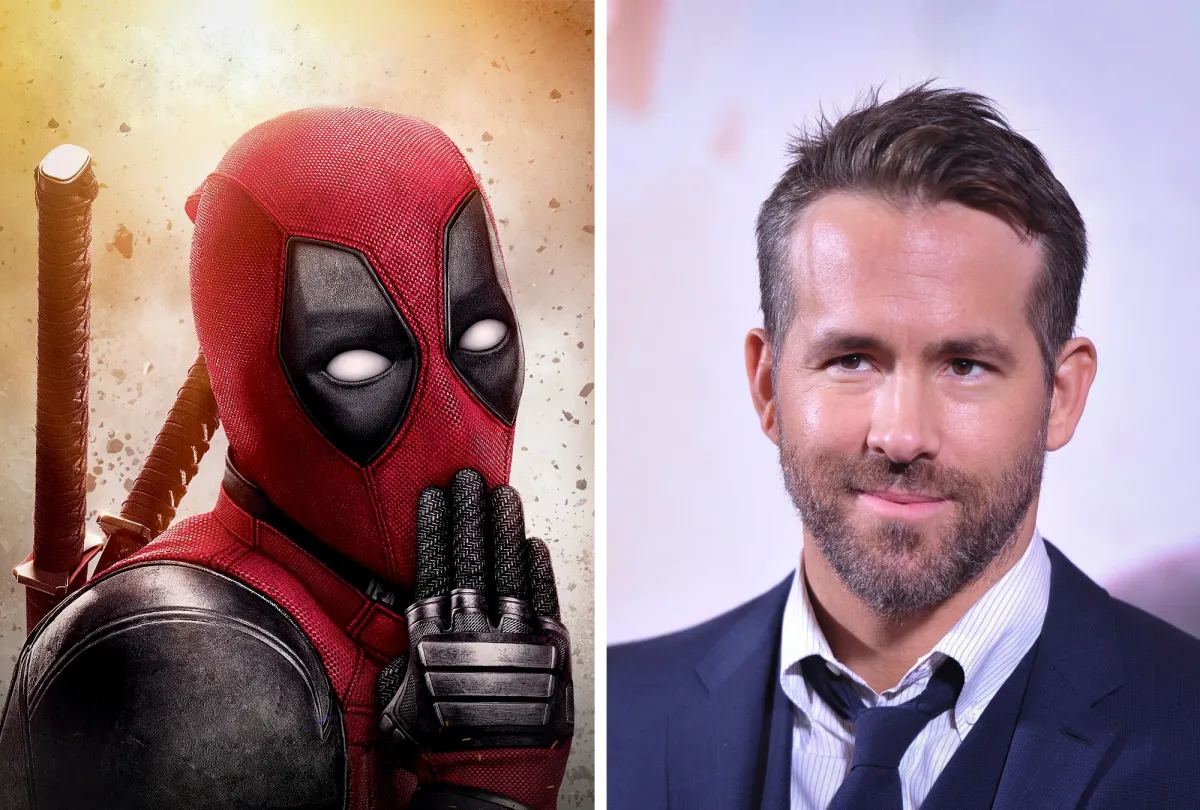 Photo: Ryan Reynolds, via emprendedor.com
But notice what they have in common: the relationship itself was stable, long-established, and not being used as the film's primary marketing hook. The couple was the background, not the headline. The moment a studio starts leading with "and they're really in love in real life!" as a selling point, the clock starts ticking.
The Audience Knows
Here's what's changed in the current era: audiences are more media-literate than ever, and they've grown deeply skeptical of the manufactured authenticity that the Method Couple playbook depends on. When two stars start dating suspiciously close to the announcement of their joint project, the comments section lights up immediately — and not with excitement. With side-eyes and receipts.
Fans can smell a PR relationship from three continents away. They've watched enough behind-the-scenes documentaries, read enough anonymous industry blind items, and collectively processed enough celebrity relationship cycles to recognize the pattern. The "chemistry so good they fell for each other for real" narrative has been deployed so many times it's essentially a genre unto itself now — and like any genre, audiences know the beats before the first act break.
What Studios Should (But Won't) Learn
The Method Couple era isn't going anywhere, because the incentive structure that produces it remains perfectly intact. As long as tabloid coverage of a real-life celebrity relationship generates more impressions than any traditional marketing campaign, studios will keep making the calculation that the risk is worth the reward. The actors — particularly younger ones navigating the intersection of their personal lives and their professional ambitions — will keep finding themselves in situations where the boundaries between character and self get genuinely, uncomfortably blurry.
The question isn't whether Hollywood will stop casting couples together. It won't. The question is whether the next generation of stars will get savvy enough to protect themselves from a system that has historically cared far more about opening weekend than about anyone's emotional wellbeing.
Spoiler: the studio always gets final cut — on the film, and on the narrative.
If history is any guide, the real drama doesn't start until the sequel gets greenlit.